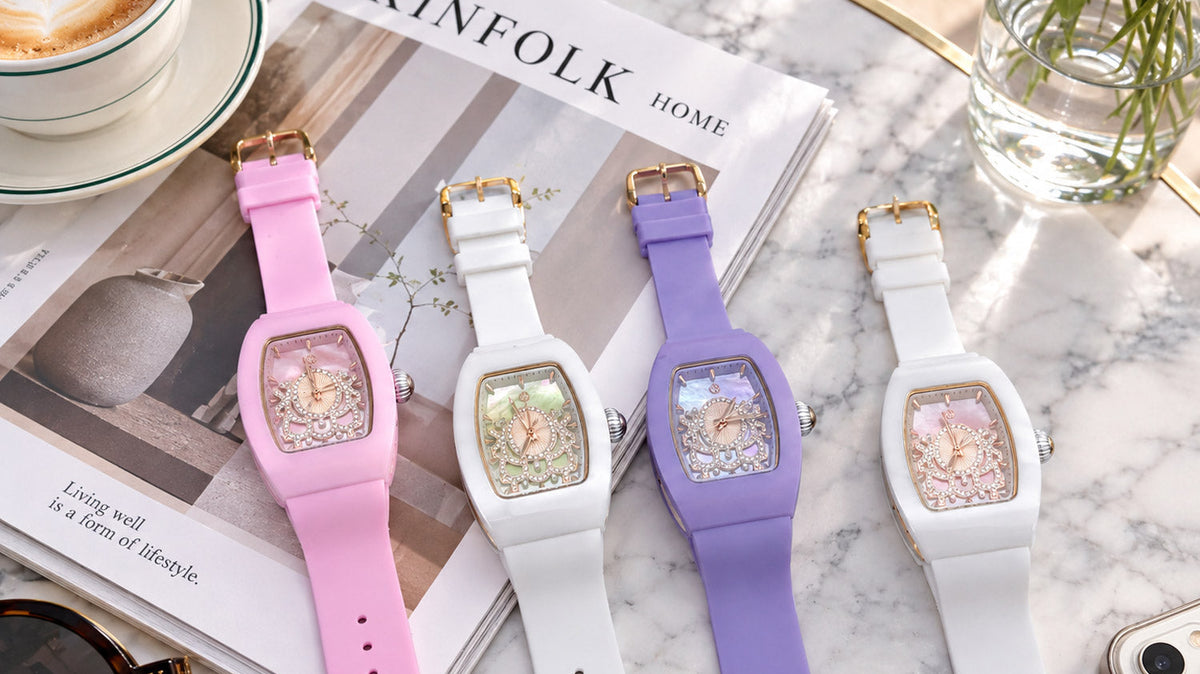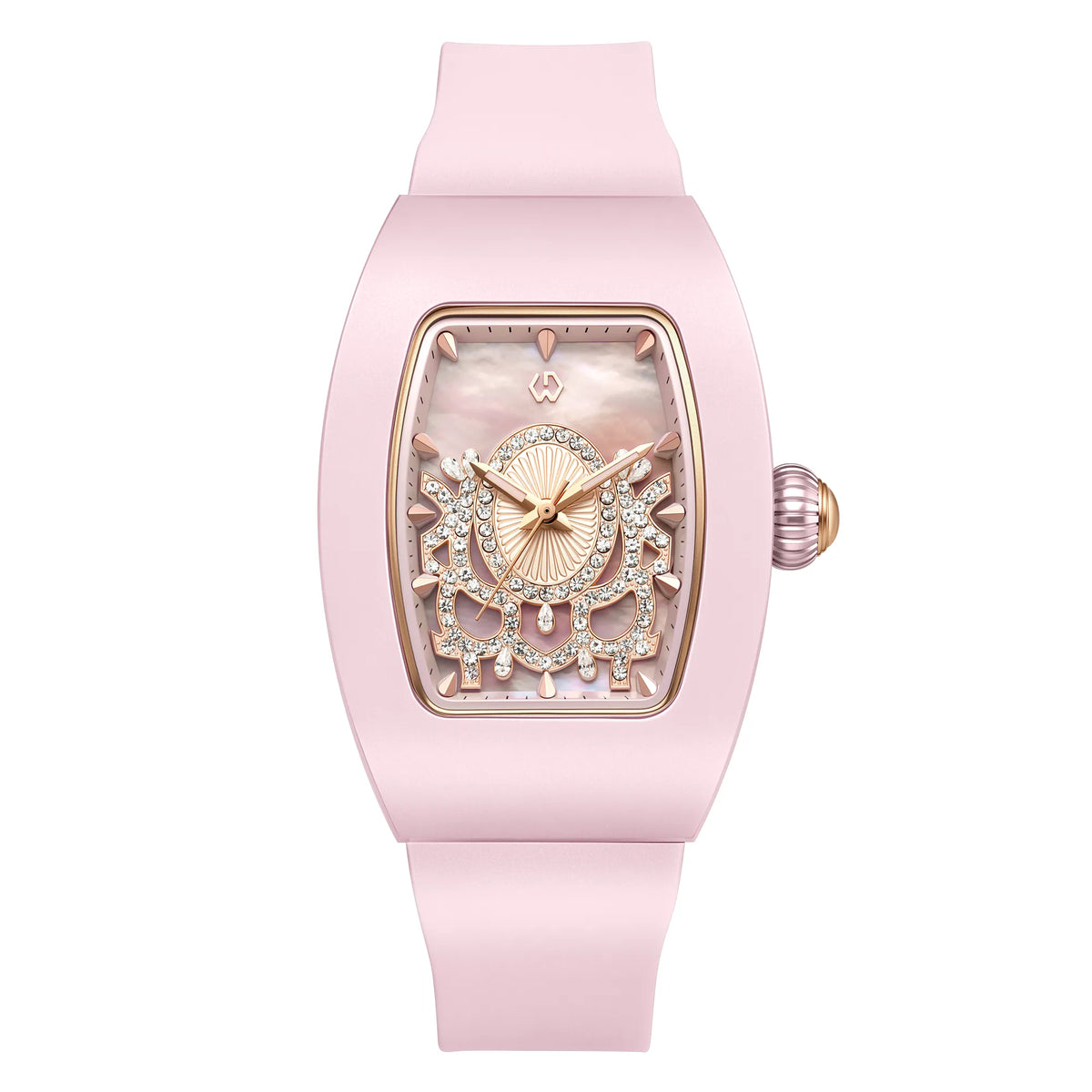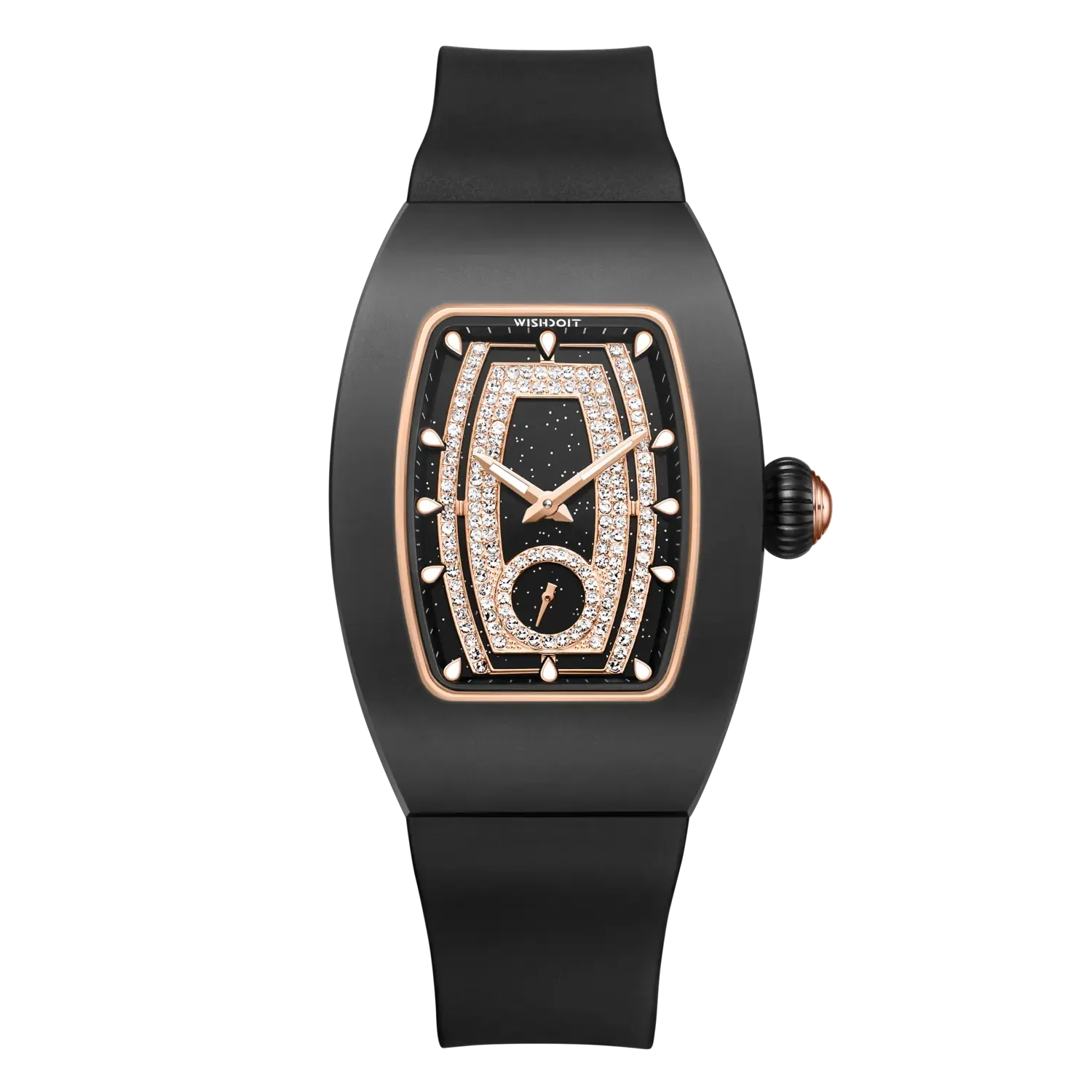


Celestia Ceramic Women’s Watch
$269

Ceramic watches are loved for their sleek appearance, smooth finish, and resistance to everyday scratches. Their distinctive look makes them a popular choice for anyone who wants something different from a traditional metal watch.
But what happens when a ceramic watch case, frame, or attached component suddenly becomes loose or separates from the watch?
It can be alarming, especially if your watch was working perfectly just a moment ago. You might wonder whether it was caused by an accidental impact, weakened adhesive, a manufacturing issue, or simply everyday wear.
Before attempting to fix it yourself, it's important to understand what may have happened and how to handle the situation without causing further damage.
In this guide, WishDoit explains why ceramic watch components can become detached, what you should do immediately, and how to prevent similar problems in the future.
Ceramic is a unique watchmaking material. It is highly resistant to scratches and corrosion, which helps it maintain its appearance over time. However, ceramic is also relatively brittle compared with many metals.
This means that although it may resist everyday surface scratches, it can still be vulnerable to certain types of impact or stress.
Here are some common reasons why a ceramic watch component may become detached.
A watch can experience an impact even when the damage is not immediately obvious.
For example, it may hit the edge of a desk, a door frame, a hard floor, or another object during daily activities.
Ceramic is hard, but hardness and impact resistance are not the same thing. A strong impact may cause a chip, crack, or fracture. In some cases, the impact may also affect the bonding between different parts of the watch.
Some watch constructions use adhesive to secure specific components, such as certain case frames, glass assemblies, or decorative elements.
Over time, the bonding may weaken due to factors such as:
Repeated temperature changes.
Physical stress during everyday wear.
Previous impacts or knocks.
Aging or deterioration of bonding materials.
Manufacturing or assembly issues.
If a component becomes loose without an obvious impact, weakened bonding or an assembly-related issue may be worth investigating.
However, the exact cause cannot always be determined simply by looking at the watch.
Watches are designed for everyday wear, but repeated pressure on certain areas may contribute to loosening or damage.
For example, pressing the watch against hard surfaces, wearing it too tightly, or repeatedly knocking the case against objects may create unnecessary stress.
Even if the watch appears intact, repeated small impacts can eventually affect vulnerable areas.

If a ceramic component has detached, the most important thing is not to rush into repairing it.
A quick DIY solution may seem convenient, but using the wrong adhesive or applying excessive pressure can make the problem worse.
Remove the watch from your wrist immediately.
Continuing to wear it may cause the detached component to fall further, become lost, or damage other parts of the watch.
If the case, bezel, or glass assembly is loose, avoid pressing it back into place.
If a ceramic piece has separated, carefully collect it and keep it in a safe place.
Ceramic components may be difficult to replace individually, especially if they have a specific shape, color, or finish.
Avoid placing detached pieces directly into a pocket or bag where they could collide with other objects and chip further.
Instead, place them in a small padded container or the original watch box.
Without applying pressure, inspect the watch for:
Cracks or chips along the ceramic edges.
Loose or detached case components.
Damage to the glass.
Gaps between the case and other parts.
Signs of moisture or condensation inside the watch.
If you notice any of these issues, avoid wearing the watch until it has been inspected.
Before contacting customer support, take several clear photographs.
Try to include:
A front view of the watch.
A side view showing the detached or loose area.
A close-up of the detached component.
Any visible cracks, chips, or adhesive residue.
These photos can help the support team understand the issue and determine the next steps more efficiently.
Provide your order number, a brief description of what happened, and the photos you took.
The support team may recommend a repair, replacement component, or further inspection depending on the condition of the watch and the nature of the damage.
If the watch is still within its warranty period, ask whether the issue is eligible for warranty assistance. Coverage depends on the applicable warranty terms and the circumstances of the damage.
This is one of the first questions many watch owners ask.
If a component has detached, using glue may appear to be the fastest solution. However, we generally recommend against using household glue or attempting an unverified DIY repair.
Here is why.
Some adhesives may leave white marks, cloudy residue, or visible traces around the ceramic surface.
Once the adhesive hardens, removing it may be difficult without damaging the finish.
Watch components need to fit together properly.
If a detached component is reattached at the wrong angle or position, it may interfere with the crown, glass, case alignment, or other parts.
Using too much adhesive may cause it to spread into areas where it should not be.
This can affect the appearance of the watch or potentially interfere with internal components.
A detached or loose case component may indicate that the watch's original sealing structure has been compromised.
Even if the component appears securely attached after a DIY repair, that does not mean the watch is water-resistant.
Water resistance should not be assumed after the case has been opened, damaged, or repaired.
Our recommendation: Unless you have the appropriate tools, materials, and experience, allow the manufacturer or a qualified watch repair professional to assess the watch and determine the safest repair method.

Ceramic and metal watches have different material characteristics.
Ceramic is generally very hard and offers excellent resistance to surface scratches. It also maintains its appearance well during normal wear.
Metal cases, on the other hand, may be more likely to dent or deform under certain impacts rather than fracture.
This does not mean ceramic watches are unsuitable for everyday use. It simply means they require a slightly different approach to handling.
| Feature | Ceramic Watch | Metal Watch |
|---|---|---|
| Scratch resistance | Generally high | Varies by metal and finish |
| Corrosion resistance | Generally excellent | Depends on material |
| Impact behavior | May chip or crack under hard impact | May dent or deform |
| Surface appearance | Can retain a smooth finish | May develop scratches |
| Repair approach | Damaged components may need replacement | Some scratches or dents may be repairable |
Ceramic is an excellent choice for people who appreciate a clean, modern appearance and want a watch that resists everyday surface wear.
The key is understanding that scratch resistance does not mean impact-proof.
The good news is that many ceramic watch issues can be reduced through simple everyday habits.
Be mindful when moving around desks, doorways, countertops, and other hard surfaces.
Even a brief collision can create enough force to damage a ceramic component.
When you are not wearing your watch, place it in its original box or a padded storage case.
Avoid leaving it loose in a drawer with keys, coins, metal accessories, or other objects.
Avoid using your watch as a tool or pressing the case against hard surfaces.
If you are doing activities that involve heavy lifting, repeated impact, or rough handling, consider removing your watch beforehand.
Occasionally inspect your watch for unusual gaps, loose parts, or changes in how the case feels.
If you notice a component moving or becoming loose, stop wearing the watch and have it checked.
Use a soft, lint-free cloth to clean your ceramic watch.
Avoid abrasive materials, harsh chemicals, and unnecessary pressure, especially around the edges and joints.
Gentle cleaning helps preserve the appearance of the watch without placing additional stress on its components.
Ceramic watches offer a distinctive combination of modern design, smooth surfaces, and refined aesthetics.
At WishDoit, ceramic is part of our design language, allowing us to create watches with unique shapes, colors, and visual details.
From the elegant silhouette of the Celestia Women's Ceramic Tonneau Watch to the artistic dial of the Peacock Plume Ceramic Tonneau Quartz, our ceramic designs are made for people who appreciate individuality and distinctive accessories.
Ceramic is particularly appealing because it combines a polished appearance with excellent resistance to everyday surface scratches.
However, like every watch material, it deserves proper care.
Understanding the strengths and limitations of ceramic can help you enjoy your timepiece for longer and protect the design you chose in the first place.
Explore the WishDoit Watch Collection and discover a timepiece that reflects your personal style.
If your ceramic watch case or an attached component has fallen off, don't panic—but don't attempt to fix it immediately either.
Stop wearing the watch, keep all detached parts, document the damage, and contact the seller or manufacturer for guidance.
Ceramic offers excellent scratch resistance and a beautiful finish, but it can still be vulnerable to hard impacts, stress, and damage to bonding areas.
With the right handling, proper storage, and timely professional assistance, you can help protect your watch and avoid turning a small problem into a bigger one.
A beautiful watch deserves thoughtful care. And sometimes, the best repair is knowing when not to repair it yourself.
You'll also like:
How to Set Your Watch When the Clocks Go Back — and the One Mistake That Can Cost You
How to Fix a Magnetized Mechanical Watch: 90% of People Get the First Step Wrong
Are Quartz Watches Outdated? Will They Look Cheap?