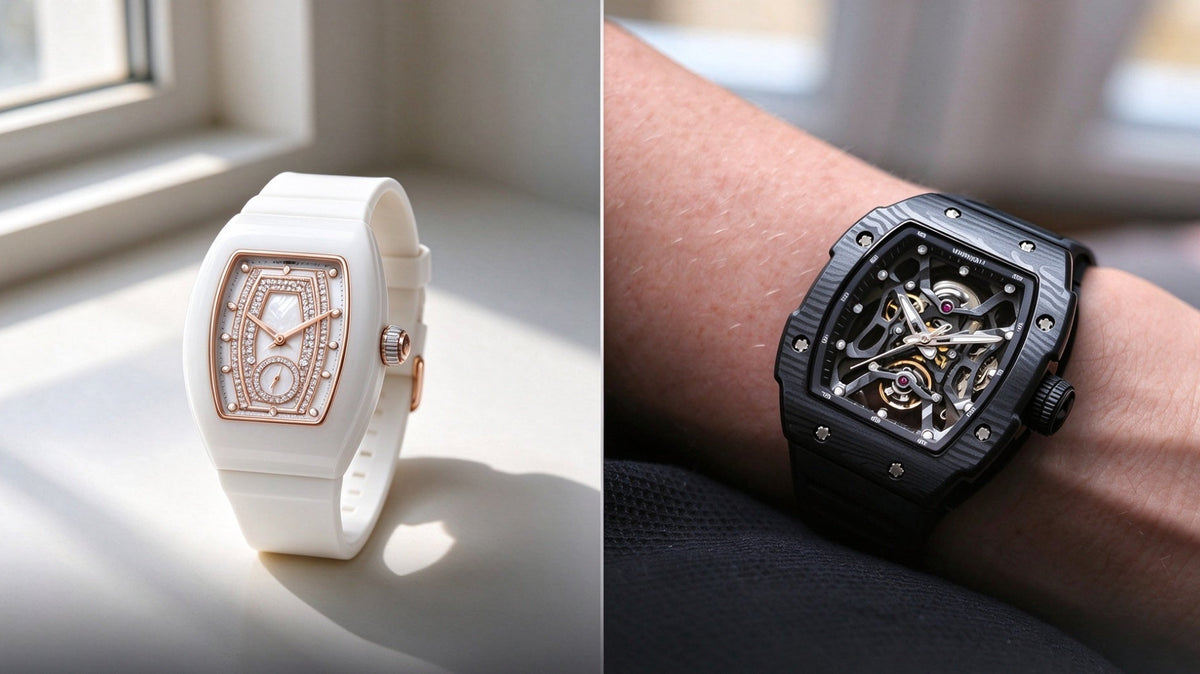


Celestia Ceramic Women’s Watch
$269

Let's address the elephant in the room. Walk into any watch forum or scroll through Instagram comments, and you will hear the same refrain: "Quartz is lifeless." "Quartz has no soul." "Only mechanical watches are real watches." If you believe everything you read online, you would think quartz watches belong in a landfill next to flip phones and fax machines. But here is the truth that enthusiasts often refuse to admit: quartz watches are not outdated, and they absolutely do not have to look cheap. The entire argument against quartz is based on snobbery, not reality. In fact, for 99% of people, a well-made quartz watch is the smarter, more practical, and often better-looking choice.
The myth of "soulless" quartz (and who benefits from it).
Let’s be honest: the mechanical watch industry has done an incredible marketing job. They’ve convinced us that hand-assembled gears and a sweeping seconds hand mean "passion." Meanwhile, a quartz crystal vibrating 32,768 times per second somehow feels "cold" and "soulless."
But here’s the truth they don’t want you to remember: quartz revolutionized timekeeping because it was objectively better—more accurate, more durable, and way more affordable.
When a
20Casio kept better time than a 5,000 Rolex, precision lost its exclusivity. And that hurt some egos.
What they’ll never admit: quartz isn’t what looks cheap. Bad design looks cheap. Put a quality quartz movement inside a well-made case with a nice dial and strap, and no one—no one—will ever call it cheap.

When quartz actually looks more expensive than mechanical.
Here is a paradox that surprises most beginners. A low-budget mechanical watch often has a jerky, imprecise second hand. The movement might be noisy. The rotor might wobble. And because mechanical movements are thicker, the whole watch sits taller on your wrist, which can look clumsy. A good quartz watch, on the other hand, ticks with perfect precision. It is thinner, so it slides under a dress shirt cuff elegantly. It is lighter, so it wears more comfortably all day. And best of all? It is always accurate. You never have to reset it after a weekend off your wrist. That kind of reliability and slim profile is exactly why some luxury brands—yes, even high-end Swiss names—still use quartz movements in their dress collections. A wishdoit watch that runs on quartz does not look like a budget compromise. It looks like a deliberate choice for someone who values practicality without sacrificing style.
Why Wishdoit watches prove quartz is alive and well.
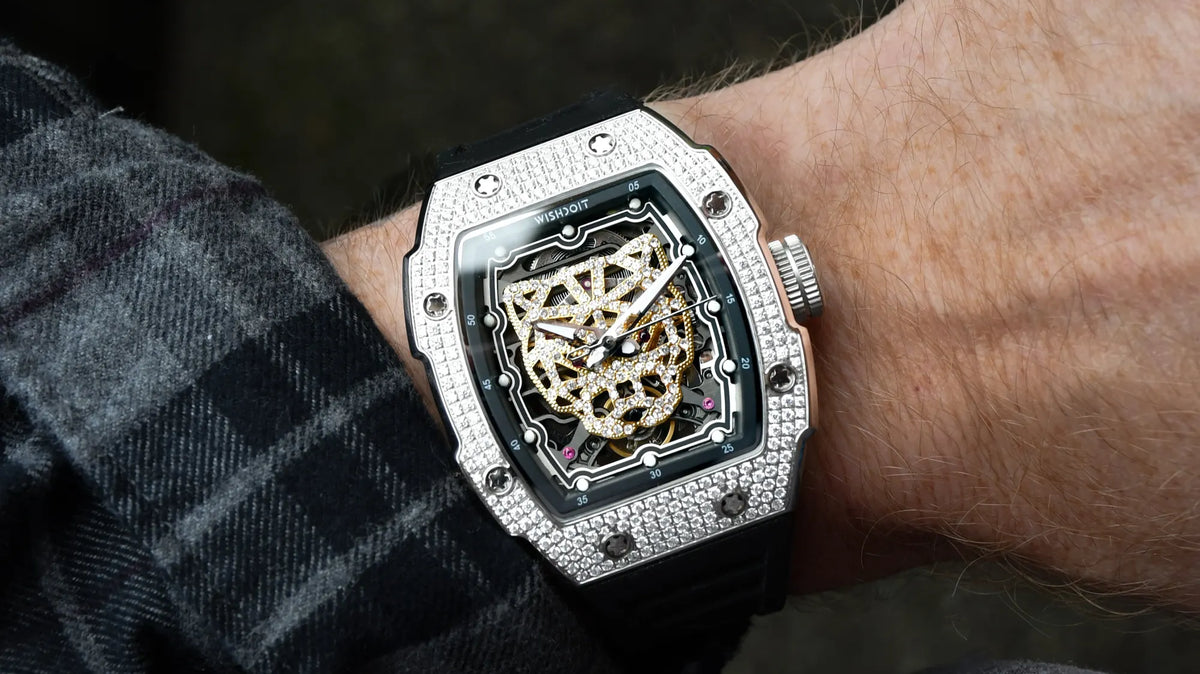
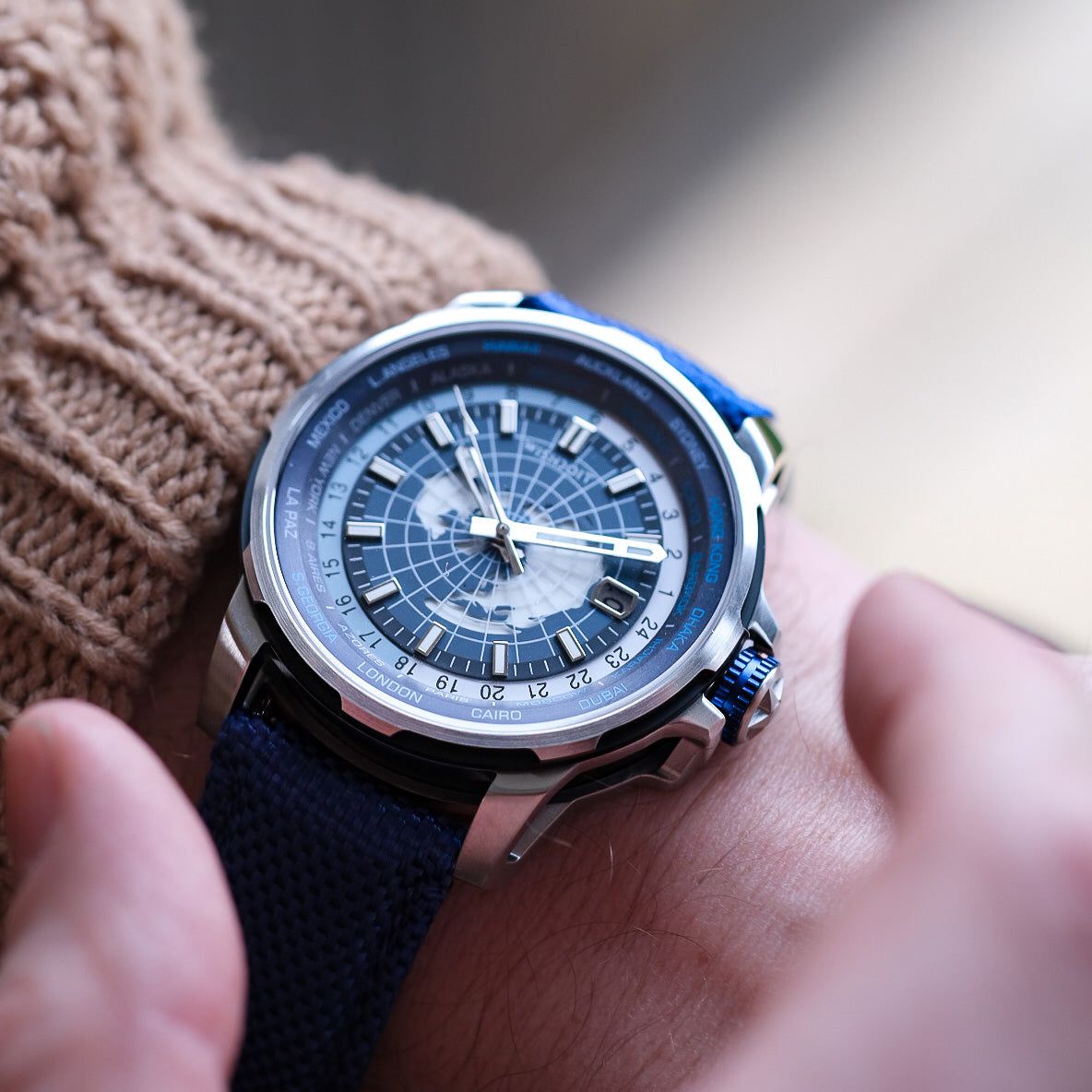
Let me introduce you to a brand that understands this perfectly. Wishdoit watch offers both mechanical and quartz lines, and here is the honest truth: their quartz models are often the better daily wearers. Take a typical wishdoit watch quartz chronograph. You get a sapphire crystal, a solid stainless steel case, a gorgeous sunburst dial, and a reliable Japanese quartz movement that will run for years on a single battery. It costs significantly less than its mechanical counterpart. It is thinner. It is more accurate. And unless you hold it up to your ear, you would never know it was quartz from across the room. More importantly, wishdoit watches focus on the things that actually matter visually: finishing, dial design, hand shape, and strap quality. Those details determine whether a watch looks cheap—not the power source hidden inside.

Three situations where quartz is actually the smarter choice.
First, if you rotate between multiple watches. A mechanical watch left sitting for two days stops running. Then you have to wind it, set the time, and possibly even adjust the date. Annoying. A quartz watch? Pick it up, glance at it, and it is already showing the correct time. Second, if you do desk work. Mechanical watches can get magnetized by laptop speakers or phone cases. Quartz does not care. Third, if you want a true grab-and-go watch for weekends or travel. Nobody wants to fumble with a crown at 5 AM before catching a flight. A quartz wishdoit watch solves all of these problems while still looking like a serious timepiece. That is not outdated. That is intelligent design.
The one place mechanical wins (and why it might not matter to you).
To be completely fair, mechanical watches do one thing better: they offer a deeper emotional connection for enthusiasts. Winding a watch, watching the balance wheel oscillate through a display case back, knowing that tiny springs and gears are keeping time without a battery—that feeling is real. If that experience speaks to you, mechanical is wonderful. But here is the question you need to answer honestly: do you actually care about that? Many people buy mechanical watches because they feel pressured to. They think it makes them "real" watch lovers. But if you just want a beautiful, accurate, reliable watch that never causes hassle, quartz is not a downgrade. It is a different tool for a different job. And wishdoit watches in quartz deliver exactly that: no pretension, no maintenance headaches, just great design that happens to tell perfect time.
Final verdict: Outdated? No. Misunderstood? Yes.
Quartz watches are not outdated. They are the silent majority of the watch world—accurate, affordable, and unfairly maligned by people who confuse "different" with "inferior." Do they look cheap? Only if the rest of the watch is cheap. Put a quartz movement inside a poorly painted plastic case with a garbage strap, and yes, it will look terrible. But put a reliable quartz movement inside a wishdoit watch with a sapphire crystal, a refined dial, and a genuine leather strap, and you have a timepiece that competes with mechanical watches twice its price. The next time someone tells you quartz is dead, smile and check your perfectly accurate watch. Then ask them what time it is. Chances are, your quartz wishdoit watches will be right. Their mechanical collection? Probably not.
How to Reset the 1/10 Subdial on Your RACING GT 2.0 Quartz Chronograph Watch
Swiss, Japanese, or Something Else? Debunking the Myth of the "Best" Watch Movement