


Celestia Ceramic Women’s Watch
$269

When the clocks go back in autumn, gaining an extra hour of sleep is a welcome bonus. But while your phone updates automatically, your wristwatch may need a little attention.
Whether you wear a classic quartz watch or an automatic mechanical timepiece, adjusting the time is simple once you know what to do. However, if your watch has a date display, one small mistake during adjustment could affect its calendar mechanism.
Here’s how to set your watch correctly and keep your WishDoit timepiece running smoothly.
In regions that observe daylight saving time, clocks move back by one hour when daylight saving time ends.
For example, when the local time changes from 2:00 AM to 1:00 AM, you gain an extra hour. Your watch should display the correct local time after the change.
Not every country or region follows daylight saving time, so check your local clock-change schedule before making any adjustments.
The adjustment depends on the type of watch you wear.
Quartz watches are battery-powered and generally straightforward to adjust.
Locate the crown on the side of your watch.
Pull the crown gently to the time-setting position, usually the second click.
Turn the crown until the hour and minute hands show the correct local time, one hour earlier.
Push the crown back into its normal position.
If your watch has a date display, check that the date changes at midnight rather than noon. Advancing the hands through a full 24-hour cycle, when necessary, can help you confirm the correct AM/PM setting.

Automatic watches use a mechanical movement powered by a wound mainspring. Depending on the model, you may need to wind the watch before adjusting the time, especially if it has stopped.
Follow these steps:
If the watch has stopped, wind it gently according to its user manual.
Pull the crown to the time-setting position.
Move the hands backward by one hour, provided your movement allows backward adjustment. If not, advance the hands through the appropriate cycle to reach the correct time.
Confirm that the time and date are correct.
Push the crown fully back into its normal position.
WishDoit tip: Different movements can have different setting requirements. Always follow the instructions for your specific watch rather than forcing the crown or assuming every model works the same way.
Changing your watch's time is usually simple. The greater risk comes when you adjust the date on a mechanical watch while its calendar mechanism is already engaged.
Many mechanical movements begin preparing for the next date change during the late evening. During this period, the calendar gears may be under load. Using the quick-set date function at the wrong time can interfere with the mechanism and potentially cause damage.
The exact restricted period varies by movement, so consult your watch's manual for the manufacturer's instructions.
If your mechanical watch has a date window, use this safer procedure:
Pull the crown to the time-setting position.
Move the hands to approximately 6:30, away from the usual midnight calendar-change period.
Use the appropriate crown position to adjust the date, following your watch's manual.
Set the correct time, paying attention to AM and PM.
Push the crown back into its normal position.
Avoid using the quick-set date function during the restricted hours specified for your movement. If the date does not change smoothly or the crown feels unusually resistant, stop rather than forcing it.
Note: The 6:30 position is a general precaution, not a universal rule. Your movement's instructions take priority.
If your watch only displays hours, minutes, and seconds, the adjustment is even easier.
Simply move the hands back one hour and return the crown to its normal position.
There is no calendar to adjust, so you can avoid the date-setting issue entirely. Still, handle the crown gently and follow your model's instructions.
Moving the hands back one hour does not normally affect the inherent accuracy of a properly functioning watch.
However, you may notice a difference depending on the movement:
Quartz watches: Battery-powered quartz movements generally provide consistent timekeeping with minimal adjustment.
Automatic watches: Timekeeping can vary with winding level, wearing habits, position, and the characteristics of the movement.
Watches with calendar functions: Incorrect AM/PM settings can cause the date to change at noon instead of midnight.
If your watch continues to lose or gain an unusual amount of time after adjustment, consult the user manual or a qualified watchmaker.

A watch is more than a way to tell time. It's a finishing touch that reflects your personal style, from everyday outfits to special occasions.
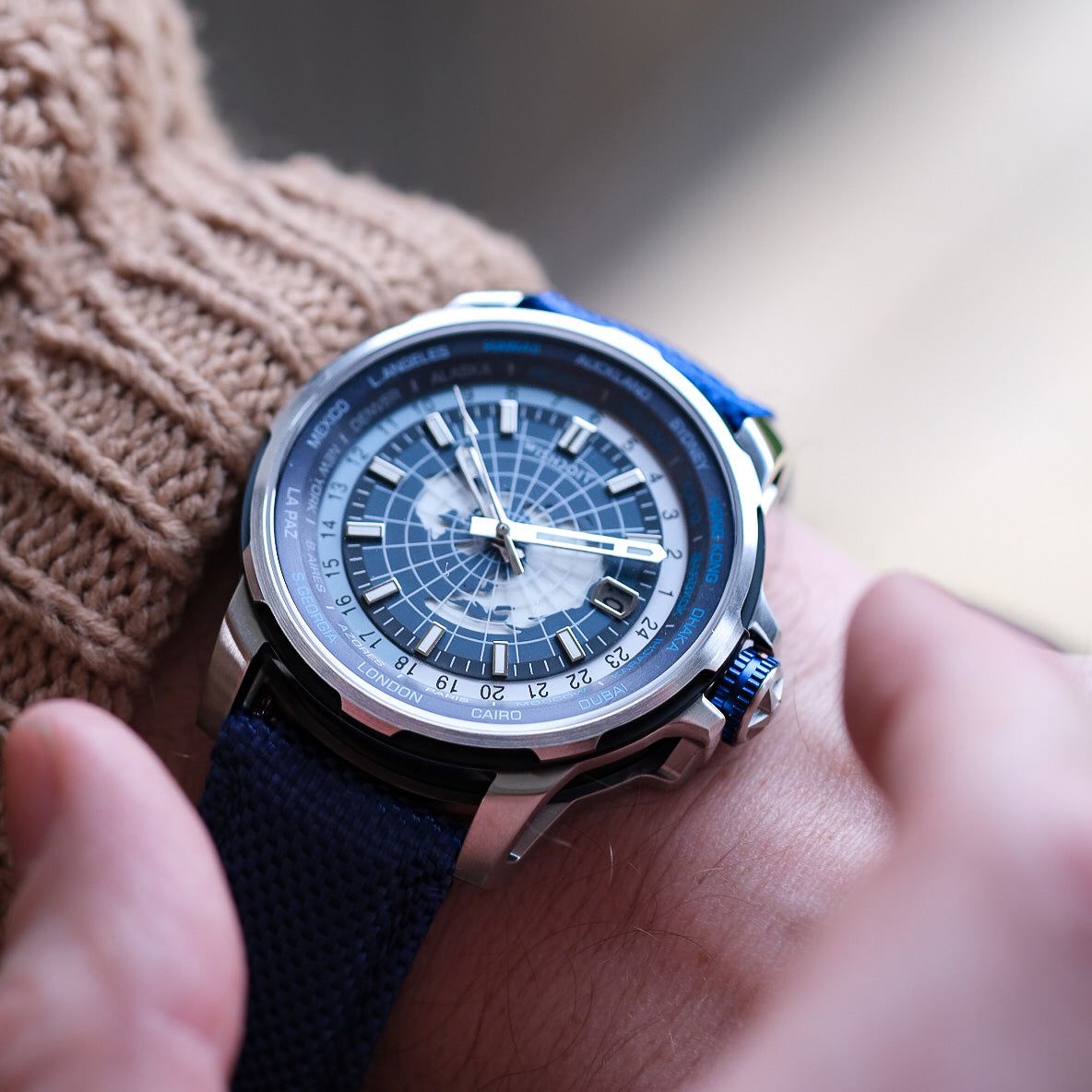
At WishDoit, our collections bring together distinctive designs and practical timekeeping for people who appreciate individuality. Whether you prefer the intricate look of a skeleton dial, the versatility of a GMT display, or the refined appearance of a ceramic tonneau case, choosing the right watch starts with understanding how to care for it.
Explore the WishDoit watch collection and find a timepiece that suits your style.
When the clocks go back, setting your watch is usually a quick task. Move the hands back one hour, confirm the correct local time, and check the date if your watch has a calendar.
Most importantly, if you own an automatic watch, never rush the date adjustment. Keeping the hands outside the calendar-change period and following your movement's instructions can help protect the mechanism and keep your timepiece running smoothly.
An extra hour of sleep is a bonus. Taking a minute to care for your watch is time well spent.
You'll also like:
What Makes a GMT Automatic Watch Perfect for Modern Travelers?
Summer Strap Care: How Sweat and Heat Can Affect Your Watch Band (And What to Do About It)
The Art of Watch Design: Exploring the Most Iconic Watch Shapes