

Celestia Ceramic Women’s Watch
$215

Buying your first men's watch can be exciting, but it can also feel surprisingly complicated. With so many styles, movements, materials, and price points available, how do you know which watch is actually worth your money?
A watch is more than an accessory. It can complement your outfit, reflect your personality, and become something you wear every day. But before making your first purchase, there are a few things worth considering.
Whether you're looking for a watch for everyday wear, work, special occasions, or simply because you appreciate good design, here are seven things to check before spending a dollar.
The first step is deciding how much you're comfortable spending. You don't need to spend thousands of dollars to find a stylish and well-designed men's watch.
Today, watches across a wide range of price points offer attractive designs, reliable movements, and practical materials. Setting a budget helps narrow down your choices and keeps you focused on what really matters.
Instead of paying extra simply for a brand name, consider what you're getting for your money:
The case and crystal materials
The design and finishing
Comfort and everyday usability
The movement is the mechanism that powers your watch. For first-time buyers, the two most common options are quartz and automatic movements.
Quartz watches are powered by a battery and regulated by a quartz crystal. They are generally highly accurate, convenient, and require relatively little maintenance beyond battery replacement.
They're a great choice if you want a watch that's easy to wear and doesn't require regular winding.
Automatic watches are mechanical watches that use wrist movement to wind the mainspring through a rotor. Many also allow manual winding through the crown.
They appeal to people who enjoy the craftsmanship, mechanical details, and traditional watchmaking behind a timepiece.

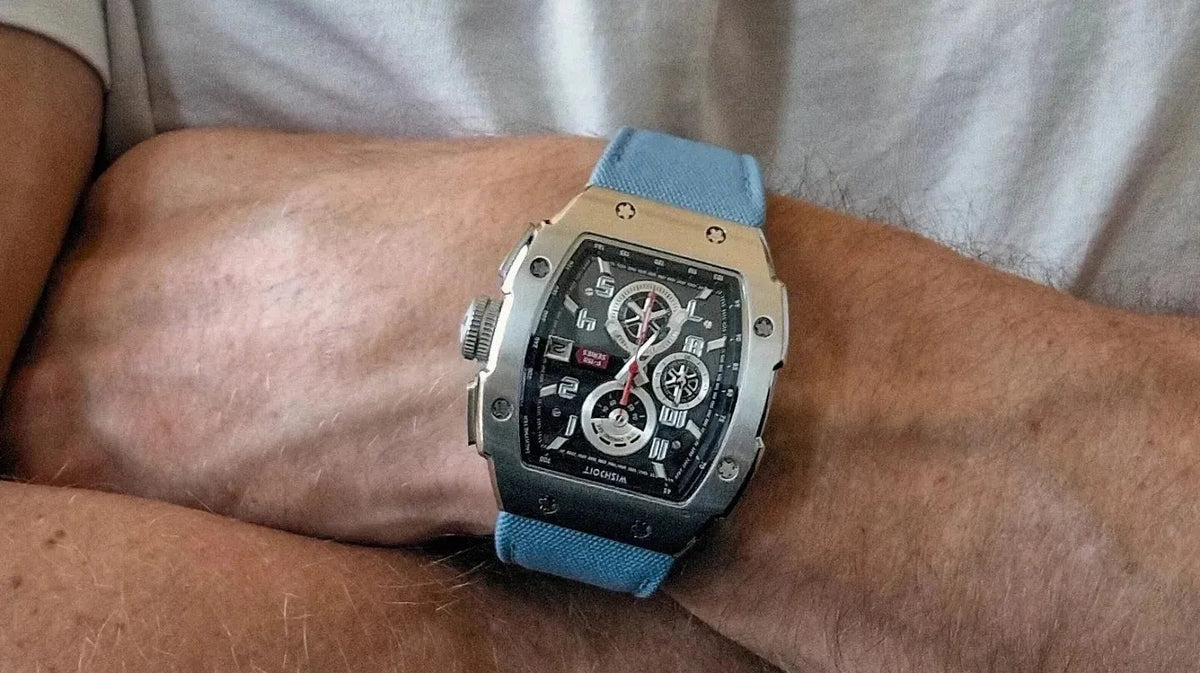
One of the most common mistakes first-time buyers make is choosing a watch that's too large or too small for their wrist.
A watch that fits well should feel comfortable and look proportionate, without overwhelming your wrist or appearing too tiny.
Here are a few details to check:
Case diameter: Common men's watch sizes range roughly from 36mm to 42mm, although larger and smaller designs are also available.
Case thickness: A thinner case may slide more easily beneath a shirt cuff.
Lug-to-lug length: This is the distance from the top lug to the bottom lug. Ideally, the watch should not extend beyond the edges of your wrist.
Strap or bracelet fit: It should feel secure without being too tight.
Don't rely on case diameter alone. A 40mm watch with a wide bezel may look smaller than a 40mm watch with a large dial.
If possible, compare the watch's dimensions with one you already wear comfortably.
Materials influence a watch's appearance, comfort, durability, and long-term maintenance.
Stainless steel: A versatile, durable, and widely used material that works well with casual, business, and formal outfits.
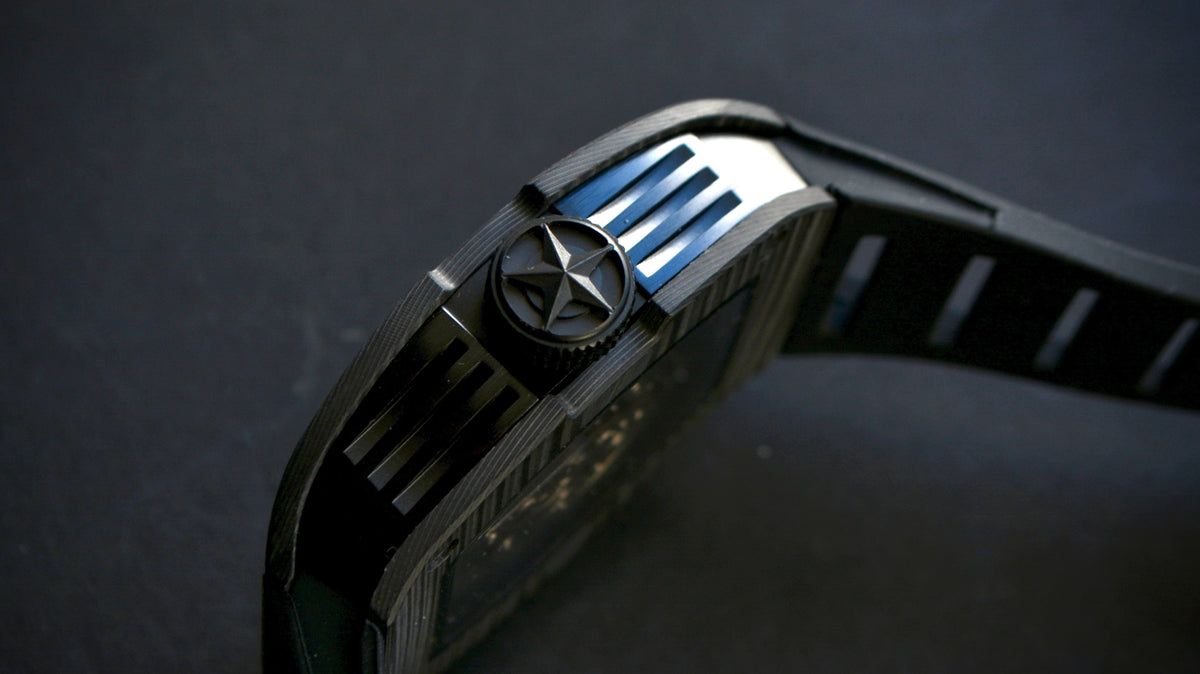
Ceramic: Offers a modern appearance and excellent scratch resistance. Ceramic is particularly attractive for buyers who appreciate clean surfaces and distinctive designs, although it can be vulnerable to hard impacts.
Other materials: Some watches use specialized alloys or composite materials to create different textures, colors, or lightweight designs.
The crystal protects the dial and is another feature worth checking.
Mineral glass: A practical option commonly used in affordable watches.
Sapphire crystal: Highly scratch-resistant and often found in watches designed to offer a more premium experience.
If you plan to wear your watch frequently, crystal material can make a noticeable difference in how it looks over time.

Your first watch doesn't have to be the most complicated or eye-catching design. It should be something you'll actually enjoy wearing.
Think about the clothes you wear most often and the occasions for which you need a watch.
Clean dials, simple markers, and understated designs make minimalist watches easy to pair with different outfits. They're ideal for everyday wear, business settings, and buyers who prefer timeless aesthetics.
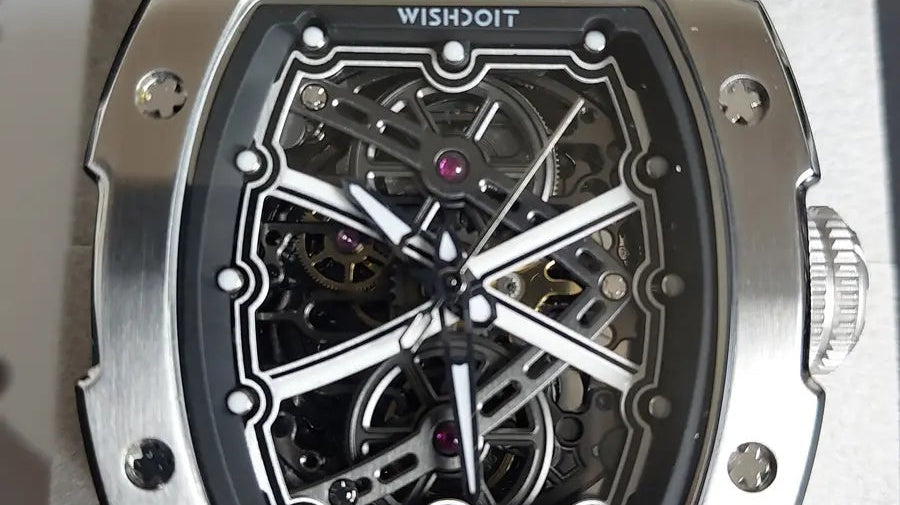
Skeleton watches reveal part of the mechanical movement through an openworked dial. They are an excellent choice for people who appreciate mechanical craftsmanship and want a watch that stands out.
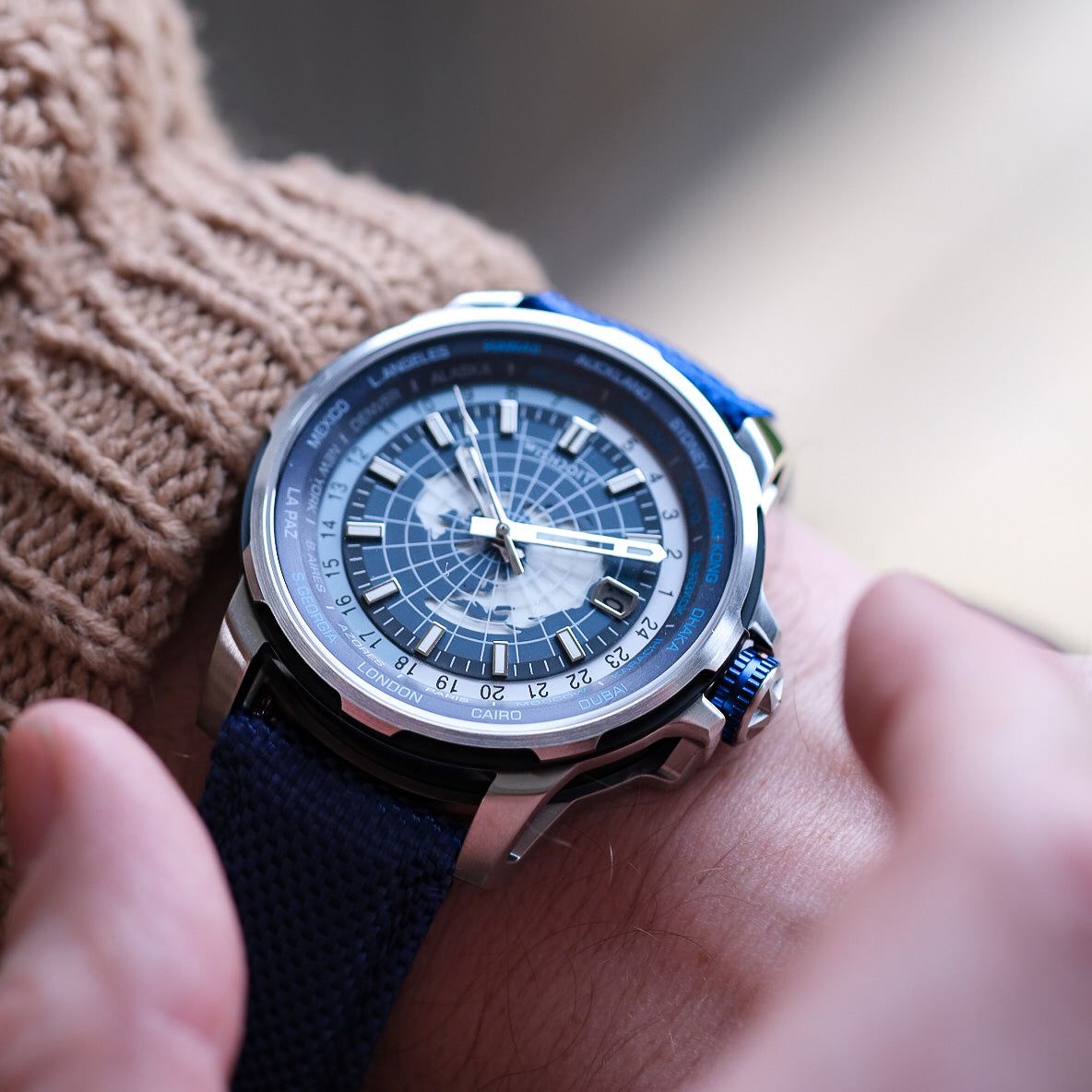
GMT watches can display an additional time zone, making them useful for travelers or people who regularly communicate with friends, family, or colleagues in different countries.
The key is to choose a style that feels natural with your everyday wardrobe rather than buying something simply because it's trending.
A watch may look beautiful in photographs, but its specifications matter just as much.
Before buying, check the following:
Water resistance: Understand what the rating actually allows. Water resistance is not permanent and may deteriorate over time. Avoid assuming that a watch is suitable for showering or swimming just because it has a water-resistance rating.
Lume: Luminous hands or markers can improve readability in low-light conditions.
Date display: A simple date function can be useful if you prefer having the date readily available.
Power reserve: For automatic watches, the power reserve determines how long the watch can run when fully wound and not being worn.
These features may not all be necessary, but knowing what you're buying helps you make a more informed decision.
Your first men's watch is often the one you'll wear the most. That's why comfort and versatility deserve just as much attention as design.
Think about how the watch feels after several hours. Is the case too heavy? Is the strap comfortable? Does the watch fit your wrist properly? Can you wear it with more than one type of outfit?
A versatile watch should ideally work with several aspects of your lifestyle, from everyday errands to dinners, meetings, and weekends.
At Wishdoit, we believe a watch should combine distinctive design with the pleasure of everyday wear. Whether you prefer the mechanical appeal of a skeleton watch, the versatility of a GMT, the detail of a chronograph, or the modern look of ceramic, finding a design that fits your personality is what makes the purchase worthwhile.
Explore the Wishdoit men's watch collection to find a design that suits your style.
Buying your first men's watch doesn't have to be overwhelming. Start with your budget, understand the movement, find the right size, check the materials, and choose a design that suits your lifestyle.
You don't need to follow every trend or chase the most expensive specifications. A good first watch is one that feels comfortable, looks great, meets your needs, and makes you happy every time you put it on.
Take your time, compare your options, and make a choice you'll enjoy wearing long after the excitement of your first purchase.
You'll also like
How to Replace a Watch Battery: A Step-by-Step Guide for Quartz Watches
What Makes a GMT Automatic Watch Perfect for Modern Travelers?
The Art of Watch Design: Exploring the Most Iconic Watch Shapes