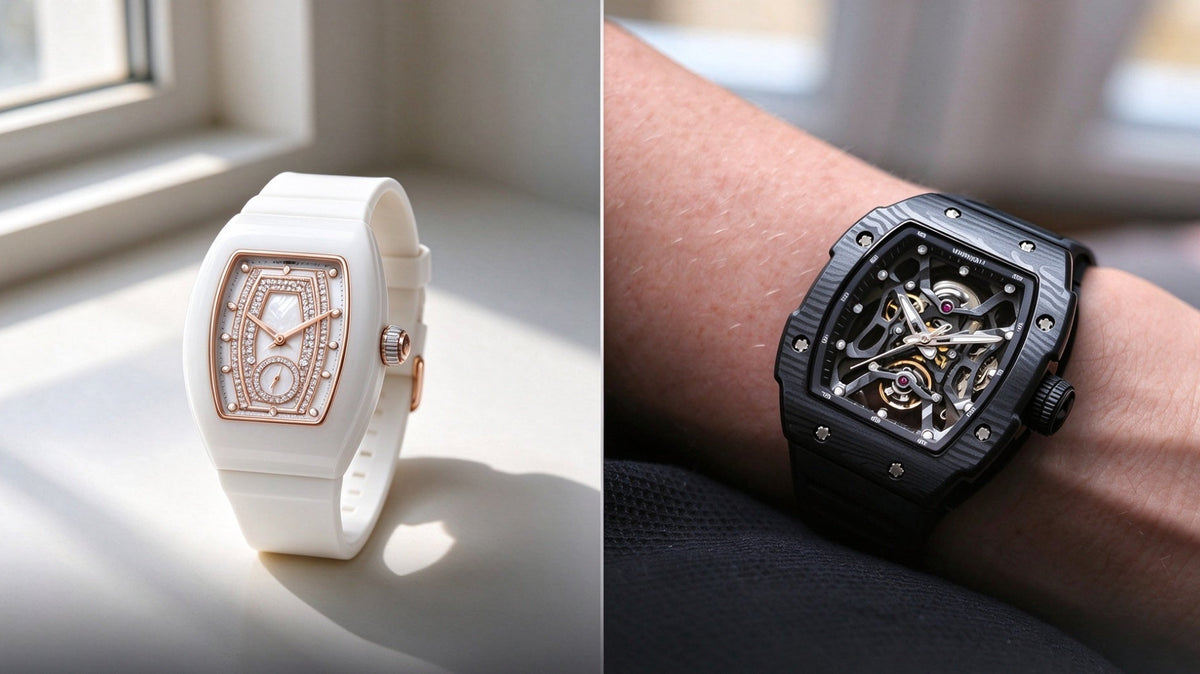


Celestia Ceramic Women’s Watch
$269

When you strap a watch to your wrist, the first thing you feel—literally and visually—is the case. It is the foundation of the timepiece, the armor that protects the delicate mechanical or quartz heart inside. But beyond protection, the case material defines the watch's personality, weight, durability, and even its story.
Choosing the right watch often means choosing the right material. Should you go for the classic resilience of stainless steel? The featherlight feel of titanium? The avant-garde scratch resistance of ceramic? Or perhaps the living, breathing patina of bronze?
In this ultimate guide, we will break down the most popular watch case materials, exploring their pros and cons, and highlighting how brands like Wishdoit watches are leveraging these materials to offer incredible value and style. Whether you are a first-time buyer or a seasoned collector, understanding these materials will transform how you choose your next timepiece.
If you look at your wrist right now, chances are you are wearing stainless steel. It is the most common material in watchmaking, and for good reason .
Stainless steel is an alloy primarily made of iron and chromium. The specific type used in quality watchmaking is almost always 316L. This "surgical-grade" steel is renowned for its corrosion resistance, durability, and its ability to be finished in multiple ways—from a mirror polish to a subtle brush .
Pros:
Durability: It is tough, impact-resistant, and can handle daily wear and tear .
Value: It offers the best balance of quality and affordability .
Finish Versatility: It can be polished to a high shine or brushed for a tool-watch aesthetic .
Hypoallergenic: 316L steel is generally safe for most wearers, though some cheaper steels may contain nickel that can cause reactions .
Cons:
Weight: It is heavier than titanium or carbon fiber, which some wearers love for its "substantial" feel, but others may find cumbersome .
Scratch Susceptibility: While durable, it is not scratch-proof and will acquire a patina of "desk diving" marks over time .
Classic Masterpieces and Wishdoit:
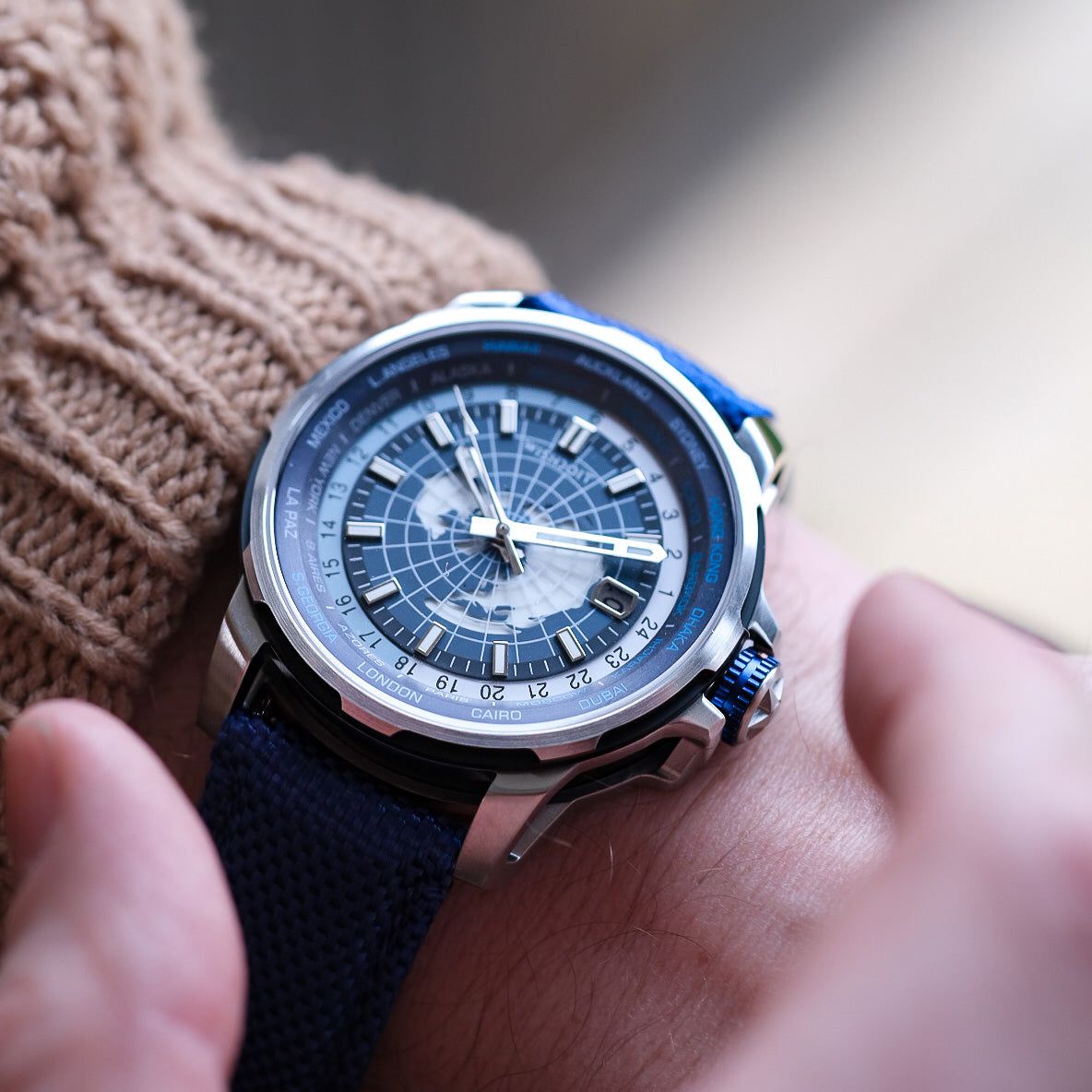
Stainless steel is the cornerstone of watchmaking, with classic models like the Rolex Submariner and Omega Seamaster crafted from it. In the realm of affordable luxury watches, Wishdoit watches also frequently utilize high-quality 316L stainless steel. For example, the Wishdoit diving watch features a robust 316L case and bracelet, offering a durable and well-crafted metal case without the exorbitant price tag.

Titanium emerged as a watchmaking material in the 1980s, pioneered by brands like IWC and Porsche Design . It is a metal that looks similar to steel but feels radically different on the wrist.
Pros:
Lightweight: Titanium is about 40-45% lighter than stainless steel, making large-case watches incredibly comfortable for all-day wear .
Strength & Corrosion Resistance: It is exceptionally strong and resistant to corrosion from salt water, making it ideal for dive watches .
Hypoallergenic: It is completely inert and perfect for those with sensitive skin .
Cons:
Scratch Prone: While strong, titanium is relatively soft and can scratch more easily than steel. However, the scratches are often less visible due to its matte grey color .
Cost: It is generally more expensive to machine than steel, leading to a higher price point .
Iconic Examples:
The Tudor Pelagos and the Grand Seiko "Snowflake" are hallmarks of titanium watchmaking.
Ceramic (often Zirconium Dioxide) feels like the future. It entered the watch scene prominently with Rado in the 1980s and has since been adopted by nearly every major luxury brand .
Pros:
Scratch Resistance: Ceramic is incredibly hard. It is virtually immune to the hairline scratches that plague steel watches .
Lightweight & Comfortable: It is light and warm to the touch, unlike cold metals .
Color Retention: Because the color is integral to the material, ceramic will never fade or wear off, even with years of sun exposure .
Cons:
Brittleness: The biggest risk is shattering. If you drop a ceramic watch on a hard surface, it may crack or break rather than dent .
Difficult to Repair: Unlike steel, which can be polished, a damaged ceramic case often needs to be replaced entirely, which can be costly .
Iconic Examples:
The Omega Speedmaster "Dark Side of the Moon" and the Rado Captain Cook are stunning examples of ceramic mastery.

Bronze is the hipster of the watch world. Once dismissed for being too corrosive, it is now celebrated for that very reason . An alloy of copper and tin, bronze develops a unique patina over time as it reacts with the environment .
Pros:
Unique Aesthetic: Every bronze watch becomes one of a kind. The patina can range from a deep chocolate brown to a verdigris green, telling the story of your adventures .
Nautical Heritage: It is highly resistant to saltwater corrosion, making it a favorite for dive watches .
Antimicrobial: Copper-based alloys have natural antimicrobial properties .
Cons:
Skin Staining: Bronze can sometimes leave green marks on the skin (or turn your shirt cuffs green). Many manufacturers use titanium case backs to mitigate this .
Maintenance: If you dislike the aged look, you'll need to actively clean the case with specialized solutions .
Iconic Examples:
The Tudor Black Bay Bronze and the Oris Carl Brashear are modern classics in this material.
Derived from the aerospace and automotive industries, carbon fiber represents the pinnacle of modern material science. It involves weaving thin polymer fibers or, in the case of forged carbon, compressing randomly oriented fibers mixed with resin under high pressure and heat .
Pros:
Incredibly Light: Carbon fiber is among the lightest case materials available, sometimes weighing 50% less than titanium .
Unique Patterns: Forged carbon creates a unique, marbled pattern on every single case—no two are exactly alike .
Cons:
Cost: The manufacturing process is complex and expensive, often reserved for high-end or luxury sports watches .
Refinishing: Like ceramic, damage is difficult, if not impossible, to repair .
Iconic Examples:
Audemars Piguet Royal Oak Offshore and Hublot Big Bang utilize forged carbon for a bold, technical look.
Gold has been synonymous with luxury timepieces for centuries. Whether it's yellow, rose, or white gold, it carries an inherent weight and status that steel cannot replicate .
Pros:
Investment & Value: Gold holds intrinsic value and often appreciates over time .
Aesthetics: The warmth and luster of gold are unmatched, offering a timeless elegance .
Workability: Skilled artisans can polish and restore gold cases relatively easily .
Cons:
Softness: Pure gold is soft. Gold watch cases are alloys (like 18k) to improve durability, but they are still prone to dents and deep scratches .
Weight: Gold is significantly heavier than steel, which can affect comfort .
Price: The high cost of raw materials puts gold watches in the luxury segment exclusively.
Proprietary Golds:
Brands like Rolex (Everose) and Omega (Sedna Gold, Moonshine Gold) have developed unique alloys to enhance color and resistance to fading .
Beyond solid cases, many watches—including several affordable models—use coatings to enhance durability and change color.
PVD (Physical Vapor Deposition): A process that bonds a thin, protective layer to the steel. It can create gold, black, or even blue tones .
DLC (Diamond-Like Carbon): A specific type of coating that results in a deep black, highly scratch-resistant surface .
Wishdoit watches often employ these techniques, particularly PVD finishing, to offer the look of rose gold or blacked-out stealth fighters at a fraction of the cost of solid precious metals or exotic materials . This allows wearers to experiment with bold, contemporary styles without breaking the bank.
With so many options, how do you decide? Consider your lifestyle:
The Daily Beater: If you need one watch to do it all, 316L stainless steel is your best friend. It balances durability, weight, and cost perfectly .
The Adventure Seeker: If you are hiking, diving, or traveling, look at titanium for its lightness and strength, or bronze for its unique character .
The Office Warrior: If you want a watch that looks brand new for years, ceramic is unbeatable for scratch resistance .
The case material is the soul of the watch's physical presence. It dictates how the watch feels on your skin, how it ages over decades, and how it reflects your personal style. Whether you are drawn to the reliable heft of stainless steel found in a classic Wishdoit watch, the high-tech vibe of carbon fiber, or the living history of bronze, there is a material out there that speaks to you.
Ultimately, the best way to choose is to experience them. Feel the weight, see the grain, and pick the material that makes you feel connected to your timepiece. After all, it will be riding on your wrist through all of life's adventures.
Note the use of mechanical watches.
What is the point of wearing a mechanical watch when you have a mobile phone with you?