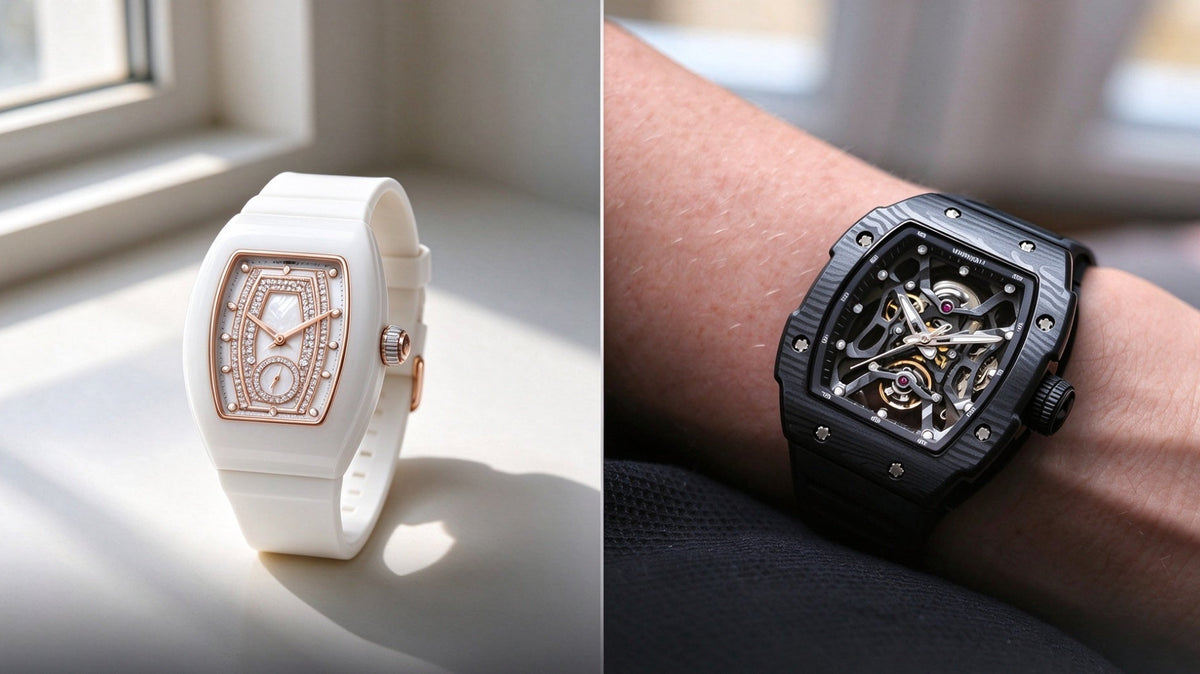


Celestia Ceramic Women’s Watch
$269

Walk into any watch shop or scroll through online listings, and you'll see "316L stainless steel" mentioned everywhere. Some brands treat it as a premium feature. Others present it as standard. But what does it actually mean for you, the person wearing the watch? Is paying extra for 316L steel a smart investment or just marketing hype?
Let's break down watch case materials with no jargon and no bias.
Stainless steel comes in grades. The number refers to the alloy composition—specifically, what metals are mixed in and in what proportions.
316L stainless steel contains:
Chromium (for corrosion resistance)
Nickel (for luster and stability)
Molybdenum (the secret ingredient)
That molybdenum content is the key difference. It makes 316L highly resistant to saltwater, sweat, and chlorinated pool water. Lower-grade steels like 304 lack this element, making them more vulnerable to pitting and corrosion over time.
The "L" stands for low carbon, which improves the material's performance after welding and machining—important for watch case construction.

Corrosion Resistance That Matters
Your watch touches your skin daily. It encounters sweat, rain, humidity, and maybe the occasional splash. Over months and years, lower-grade steel can develop tiny pits or discoloration. 316L resists these effects. It's called "marine-grade" for a reason—it handles saltwater without breaking down.
Hypoallergenic Properties
Nickel allergies are common. Lower-grade steels can release enough nickel to trigger skin reactions. 316L is often used for surgical implants because it's biocompatible. For daily wear, this means fewer surprises on your wrist.
Solid Throughout, Not Plated
Some budget watches use plated or coated base metals. When that coating wears through, you see a different material underneath. 316L is solid all the way through. Scratches won't reveal a hidden layer.
It Will Scratch
Here's the truth watch brands don't advertise: 316L steel scratches. A lot. Its hardness is roughly 200 Vickers, which means daily desk diving, zipper brushes, and accidental knocks will leave marks. Some owners call this "character." Others find it frustrating.
It's Heavy
Compared to titanium or carbon composites, 316L is dense. A chunky dive watch in steel has real wrist presence—and real weight. For some, this feels substantial and reassuring. For others, it's a burden.
It's Not Scratch-Proof
If your priority is a pristine case that never shows wear, 316L will disappoint you. Hardened steel (around 800 Vickers) or ceramic (2,000+ Vickers) offers far better scratch resistance—at a much higher price.

| Material | Scratch Resistance | Corrosion Resistance | Weight | Cost |
|---|---|---|---|---|
| 316L Steel | Low | Excellent | Heavy | Standard |
| Basic Steel (304) | Low | Moderate | Heavy | Lower |
| Titanium | Moderate | Excellent | Light | Higher |
| Hardened Steel | High | Excellent | Heavy | Premium |
| Ceramic | Very High | Excellent | Light | High |
| Forged Carbon | High | Excellent | Very Light | High |
Compared to basic steel: Yes. The price difference is usually small—sometimes $20-50 at the manufacturing level. For that premium, you get genuine corrosion resistance and better skin compatibility. It's worth every penny.
Compared to titanium or hardened steel: It depends. If you want a lighter watch or exceptional scratch resistance, save for the upgrade. If those aren't priorities, 316L serves perfectly well.
Compared to ceramic or carbon: No. Those materials serve different purposes at different price points. 316L is the sensible standard. Ceramic and carbon are specialized alternatives.
When you're considering a watch, treat 316L steel as a baseline quality indicator. Its presence tells you the manufacturer isn't cutting corners on the most fundamental material.
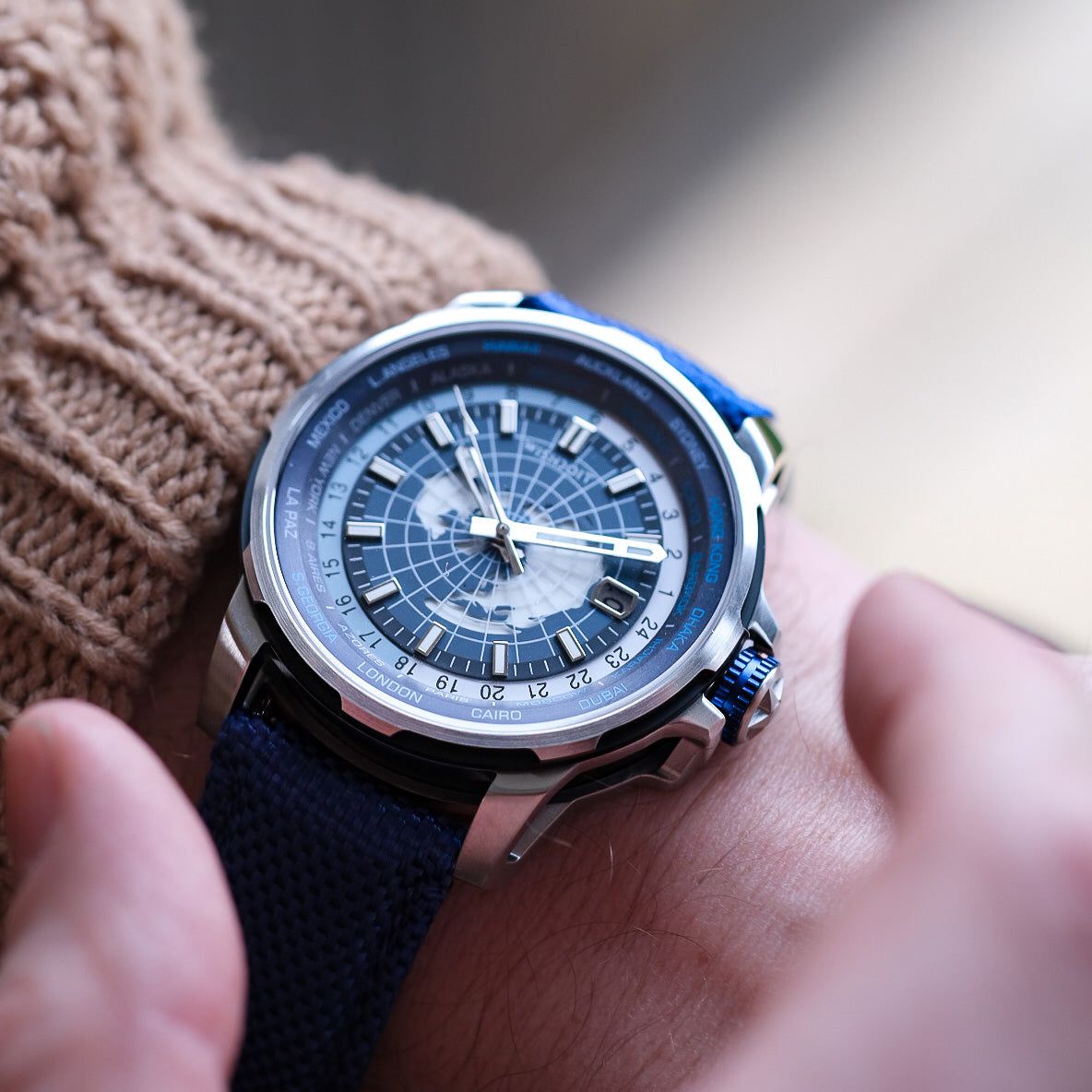
Many well-regarded watches, including those from Wishdoit watches, use 316L steel for their cases. This choice reflects an understanding that buyers deserve corrosion-resistant, hypoallergenic, durable cases that will age gracefully.
The upcoming PT5000-powered models in the Wishdoit watches lineup continue this philosophy. A high-beat automatic movement deserves a case that protects it properly. 316L steel delivers exactly that—proven, reliable, and fit for daily wear.
316L stainless steel is worth the modest extra cost over basic alternatives. It provides real, tangible benefits: sweat resistance, skin compatibility, and lasting structural integrity. It's not scratch-proof, and it's not lightweight. But for the vast majority of daily-wear situations, it's the right material.
Because the best case material isn't the most expensive. It's the one you never have to worry about.
The Ultimate Guide to Watch Case Materials: Pros, Cons & Iconic Examples
What is the point of wearing a mechanical watch when you have a mobile phone with you?