

Celestia Ceramic Women’s Watch
$269

That heart-stopping moment when your watch slips off your wrist and hits the floor is something every watch owner hopes to avoid.
You pick it up, check the crystal, and see no obvious damage. But what about the movement inside?
A watch can look perfectly fine on the outside while suffering internal damage. The good news? Not every drop means an expensive repair.
Before you panic or assume your timepiece is ruined, here are the warning signs to look for and the steps you should take next.
Yes. Even a single impact can affect a watch's delicate internal components.
Inside a mechanical watch, tiny gears, springs, and balance components work together to keep time. A sudden shock may disrupt their operation, particularly if the watch lands on a hard surface such as tile, concrete, or stone.
Quartz watches are not immune, either. Although their timekeeping systems differ from those of mechanical watches, a strong impact can still damage internal components or affect the hands.
However, the outcome depends on several factors:
Impact height: A fall from a tabletop may be less severe than one from standing height.
Landing surface: Hard surfaces generally transmit more impact than softer ones.
Impact angle: A direct hit to the case or crystal may cause different damage from a fall onto the bracelet.
Watch construction: Different movements and protective systems respond differently to shocks.
Remember, no watch is completely shockproof. Even a well-made timepiece has its limits.

After a fall, don't judge your watch by its appearance alone. Pay attention to how it behaves.
If your watch stops immediately after hitting the ground, the impact may have affected the movement.
For an automatic watch, however, a stopped watch doesn't automatically mean something is broken. It may simply have run out of power reserve, especially if you haven't worn it recently.
If the watch has sufficient power but still won't run, professional inspection is recommended.
A sudden change in timekeeping accuracy can be an important warning sign.
For mechanical watches, an impact may affect the balance assembly or other precision components. In some cases, the watch may gain or lose significantly more time than before.
Don't confuse this with ordinary timekeeping variation. What matters is a clear, unusual change immediately following the fall.
A watch may produce subtle sounds during normal operation, particularly an automatic watch with a moving rotor.
But if you suddenly hear a loud rattle, grinding noise, or unfamiliar metallic sound after dropping it, something may have become loose or damaged.
Avoid shaking the watch to investigate. If the sound is new and persistent, have it examined by a watch technician.
Look closely at the hour, minute, and seconds hands.
If the hands no longer move as expected, appear loose, or seem to catch against one another, the impact may have displaced a component.
For a chronograph, also check whether the timing hands and subdials behave normally when operated according to the instruction manual.
Don't force the hands or repeatedly operate the controls to make them work.
Sometimes the first visible sign of a problem is external.
Look for cracks in the crystal, dents in the case, a bent crown, or a bracelet that has become loose.
Even if the watch continues running, external damage can affect its structural integrity. A cracked crystal or compromised case seal may also allow moisture and dust to enter.
If you notice any of these issues, avoid exposing the watch to water until it has been inspected.
The first few steps can help prevent additional damage.
Step 1: Inspect the exterior.
Check the crystal, case, crown, bracelet, and clasp under good lighting. Don't press on cracked glass or attempt to push displaced parts back into place.
Step 2: Check whether the watch is running.
If there is no obvious damage, observe whether the hands move normally. For a quartz watch, check its usual operation. For an automatic watch, consider whether it may simply have exhausted its power reserve.
Step 3: Avoid excessive winding or adjustment.
If the watch has stopped or is behaving unusually, don't repeatedly wind it, shake it, or turn the crown in an attempt to fix it. These actions won't reliably identify the problem and could make certain faults worse.
Step 4: Monitor its timekeeping.
If the watch appears undamaged and runs normally, compare its timekeeping with a reliable reference over a reasonable period. A significant new deviation is a reason to seek professional advice.
Step 5: Arrange an inspection if necessary.
If your watch remains stopped, makes unusual noises, or shows a major change in accuracy, contact a qualified watch technician. Explain that the issue began after a fall so the technician can investigate the relevant components.

Both types of watches can be damaged by impact, but their internal mechanisms differ.
An automatic watch uses a mechanical movement powered by a mainspring. Its gears, balance assembly, and winding mechanism must work together precisely. A strong shock may affect these components even when the exterior looks undamaged.
A quartz watch uses a battery-powered electronic timekeeping system. It generally requires less routine movement maintenance, but its hands, gears, electronic components, and battery connections can still be affected by an impact.
Neither movement type is automatically immune to damage.
The best approach is to choose a watch that suits your preferences and wear it with reasonable care. If you appreciate traditional mechanical craftsmanship, an automatic watch offers a fascinating view into the engineering of timekeeping. If convenience and straightforward maintenance matter more, a quartz watch may be a better fit.
You can't eliminate every accident, but a few habits can help protect your timepiece.
Secure the bracelet or strap: Check that the clasp closes properly before wearing your watch.
Remove your watch carefully: Avoid placing it near the edge of a sink, countertop, or bedside table.
Store it securely: Use a watch box or a stable, padded surface when you're not wearing it.
Avoid unnecessary impacts: Remove your watch before activities that involve repeated hard knocks or strong vibration.
Respond to warning signs early: Unusual noises, sudden accuracy changes, and visible damage deserve attention.
Good watch care isn't about being afraid to wear your watch. It's about understanding its limits and protecting the craftsmanship inside.
A great watch should do more than tell time. It should reflect your personality, complement your wardrobe, and feel right on your wrist.
At WISHDOIT, different movement types and distinctive designs give you room to find a timepiece that suits your lifestyle.
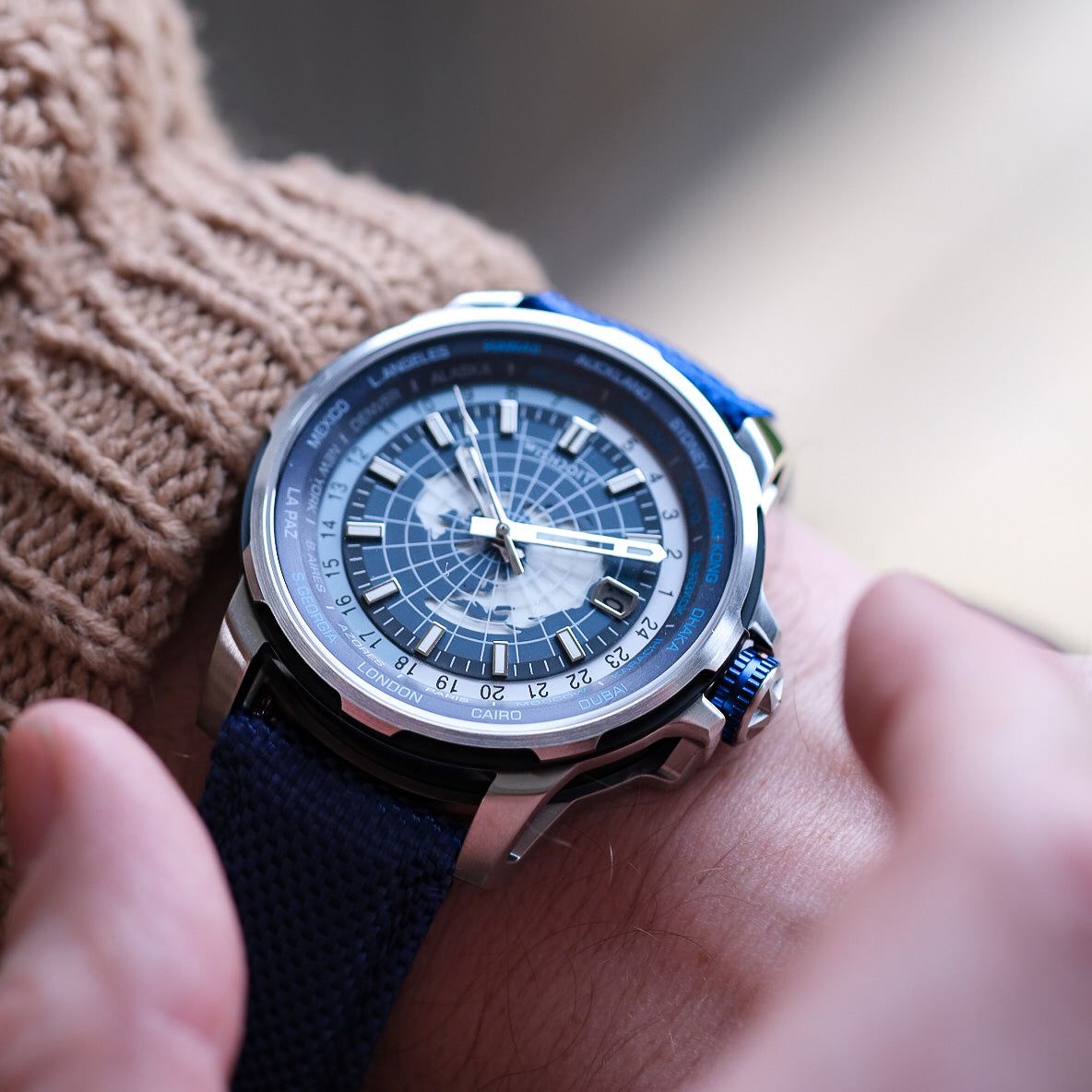
ETERNAL EARTH GMT Mechanical Watch: A bold choice for those who appreciate automatic mechanics and practical dual-time functionality.
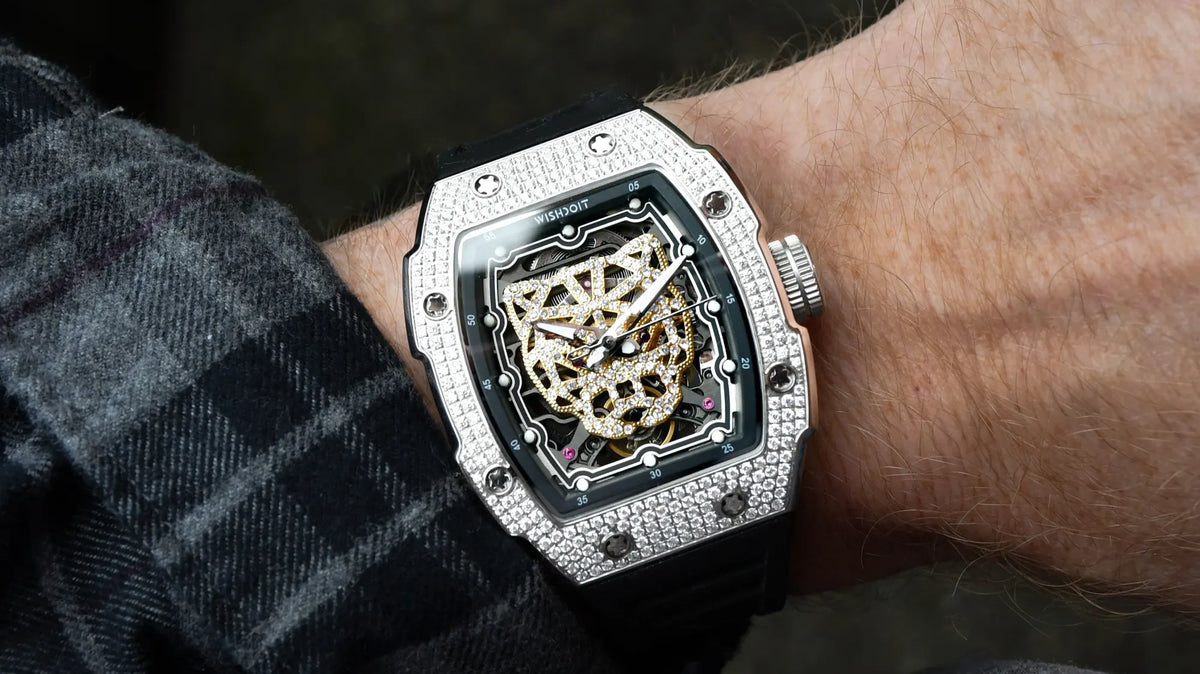
Aerial Prism Mechanical Skeleton Watch: Ideal for enthusiasts who enjoy seeing the intricate details of a mechanical movement.
RACING GT 2.0 Chronograph Watch: A sporty, performance-inspired design for those who prefer a dynamic look.
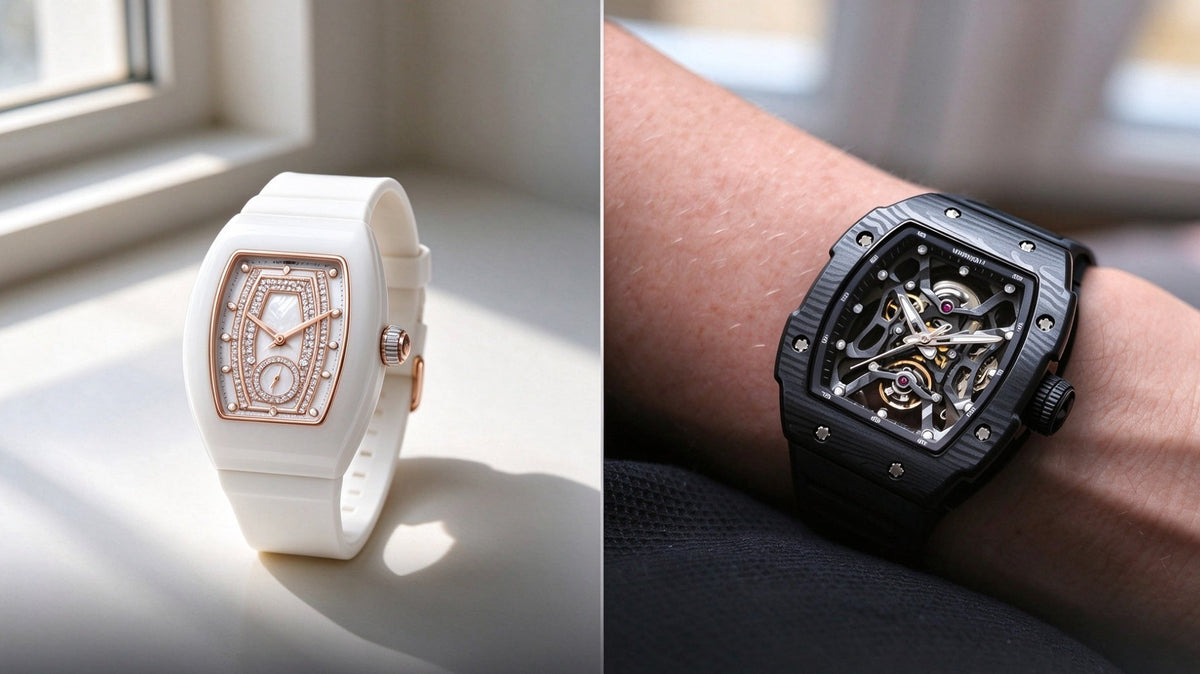
Celestia Ceramic Women's Watch: An elegant option for those drawn to distinctive tonneau styling and ceramic design.
Whichever design you choose, remember that appearance alone doesn't determine shock resistance. Follow the care instructions for your specific watch, and avoid assuming that any timepiece can withstand every impact.
Explore the full collection: https://wishdoitwatches.com/collections/all-watches
Find a watch that matches your style and make every moment count.
Dropping your watch doesn't necessarily mean its movement is damaged. Sometimes, there is no lasting effect. In other cases, an impact can cause internal problems that aren't immediately visible.
The key is to look for changes in performance, avoid unnecessary adjustments, and seek professional inspection when something seems wrong.
A watch is built to accompany you through everyday life, but even a carefully crafted timepiece deserves proper care. Understand the warning signs, treat your watch well, and enjoy wearing it with confidence.
You'll also like:
Moon Pearl Is Here: The Celestia Watch Reimagined in Pearl-Like Elegance
Sapphire Crystal vs. Mineral Glass: What's the Difference and Which Watch Crystal Is Better?
Watch Water Resistance Explained: What Does 5 ATM Really Mean?