

Celestia Ceramic Women’s Watch
$269

You accidentally knock your watch against a desk. Or worse, it slips from your wrist and hits the floor.
Your first thought is probably, “Is the movement damaged?”
It's a reasonable concern. A mechanical watch contains hundreds of small components working together, and a sudden impact can affect parts you cannot see. But here's what many watch owners misunderstand: a watch's shock absorber doesn't protect the entire movement. It is designed to protect specific, particularly delicate components.
Understanding what it does—and what it cannot do—can help you care for your watch more confidently and avoid unnecessary repairs.
In many mechanical watches, the shock-protection system is designed primarily to protect the delicate pivots of the balance staff and their jewel bearings.
The balance wheel is one of the most important components in a mechanical movement. It oscillates back and forth at a controlled rate, helping regulate how quickly the watch runs.
The balance staff has tiny pivots at each end. These sit in jewel bearings that help the balance assembly move with minimal friction. Because the pivots are extremely fine, a sudden impact can put them at risk.
A shock-protection system uses a spring-supported arrangement around the relevant jewel bearing. When the watch experiences a shock, this arrangement allows limited movement to absorb some of the impact instead of transferring the full force directly to the delicate pivot.
In simple terms, the shock absorber helps protect the parts that regulate timekeeping—not every component inside the watch.

Imagine a delicate component mounted rigidly in place. If a strong impact occurs, the force can concentrate on its smallest and most vulnerable points.
A shock-protection system changes how that force is handled.
In a common design, the jewel setting is supported by a small spring. During an impact, the setting can move slightly and then return to its normal position. This helps reduce the risk of damage to the balance staff pivots.
However, not all shock-protection systems are identical. Their designs and performance depend on the movement.
It's also important to understand that shock protection is not the same as making a watch shockproof. A sufficiently hard impact can still damage other components, loosen parts, affect the hands, or damage the case and crystal.
No. This is one of the most common misconceptions about mechanical watches.
Shock protection reduces the risk of certain types of damage, but it cannot eliminate every consequence of an impact.
A dropped watch may experience several different kinds of stress:
Balance assembly: A strong impact may damage delicate pivots or affect the balance system.
Gear train: Internal components may be affected by a sufficiently severe shock.
Hands and dial: Hands may become displaced or, in some cases, interfere with one another.
Rotor and winding system: An impact may affect parts of the automatic winding mechanism.
Case and crystal: External damage can occur even if the movement continues to run.
Not every fall causes damage, and not every malfunction after a fall has the same cause. The height of the fall, the landing surface, the angle of impact, and the movement's construction all matter.
A watch landing on carpet may experience a different impact from one hitting tile or concrete. Still, no landing surface guarantees that the watch will be unharmed.
Your watch may look perfectly normal on the outside while showing changes in performance. After a significant impact, pay attention to the following signs.
If the watch stops immediately after a fall, the impact may have affected the movement. However, an automatic watch can also stop because it has run out of power reserve.
If winding it according to the manufacturer's instructions does not restore normal operation, arrange an inspection.
A noticeable change in timekeeping after an impact deserves attention.
The balance assembly or other internal components may have been affected, although accuracy can also be influenced by magnetism, winding, and existing movement conditions.
Compare the watch against a reliable time reference. If the change is substantial or continues, have it checked by a qualified watchmaker.
A new, persistent rattling sound after a fall may indicate that something requires inspection. However, some movement noise can be normal, especially in automatic watches.
What matters is whether the sound has changed significantly or is accompanied by stopping, abnormal timekeeping, or other symptoms.
Avoid shaking the watch to test it. Doing so could make an existing problem worse.
If the hands appear stuck, overlap unexpectedly, or stop at a particular point, stop using the watch and arrange an inspection. Do not force the hands or repeatedly adjust the crown in an attempt to fix the problem.

The best response is calm and simple. Don't immediately assume the movement is ruined, but don't ignore clear signs of damage either.
Follow these steps:
Inspect the exterior. Look for cracks, dents, a displaced crown, or visible damage.
Check its operation. If there is no obvious damage, observe whether the watch is running normally. Avoid shaking it or repeatedly winding it to test its limits.
Compare the time. If it continues running, check whether its accuracy has changed noticeably.
Stop if something seems wrong. If it has stopped, developed an unusual sound, or started keeping time erratically, avoid further adjustment.
Arrange a professional inspection. Explain that the watch was dropped and describe any changes you noticed.
If the crystal is cracked or the case appears damaged, avoid exposing the watch to water. A damaged case or seal may no longer provide its intended protection.
A professional can examine the movement and determine whether it needs adjustment, repair, or further testing. Guessing at the cause may waste time—and potentially make the damage worse.
No. Shock protection varies by movement design, construction, and specifications.
Some mechanical movements use established shock-protection systems around the balance staff. Other designs may use different arrangements, and the presence of a shock-protection feature does not mean every component has equal protection.
When choosing a mechanical watch, consider the movement's specifications, the manufacturer's care guidance, and how you intend to wear it.
It's also worth remembering that a skeleton dial, a distinctive case shape, or a premium-looking finish does not automatically indicate stronger shock resistance. Appearance alone cannot tell you how well a watch will tolerate an impact.
For buyers who appreciate mechanical watches, understanding the movement is part of making a better purchase—not just knowing what the dial looks like.
At WISHDOIT, mechanical watches combine automatic movements with distinctive designs for people who appreciate the engineering behind timekeeping as much as the look on their wrist.
Here are three styles worth exploring:
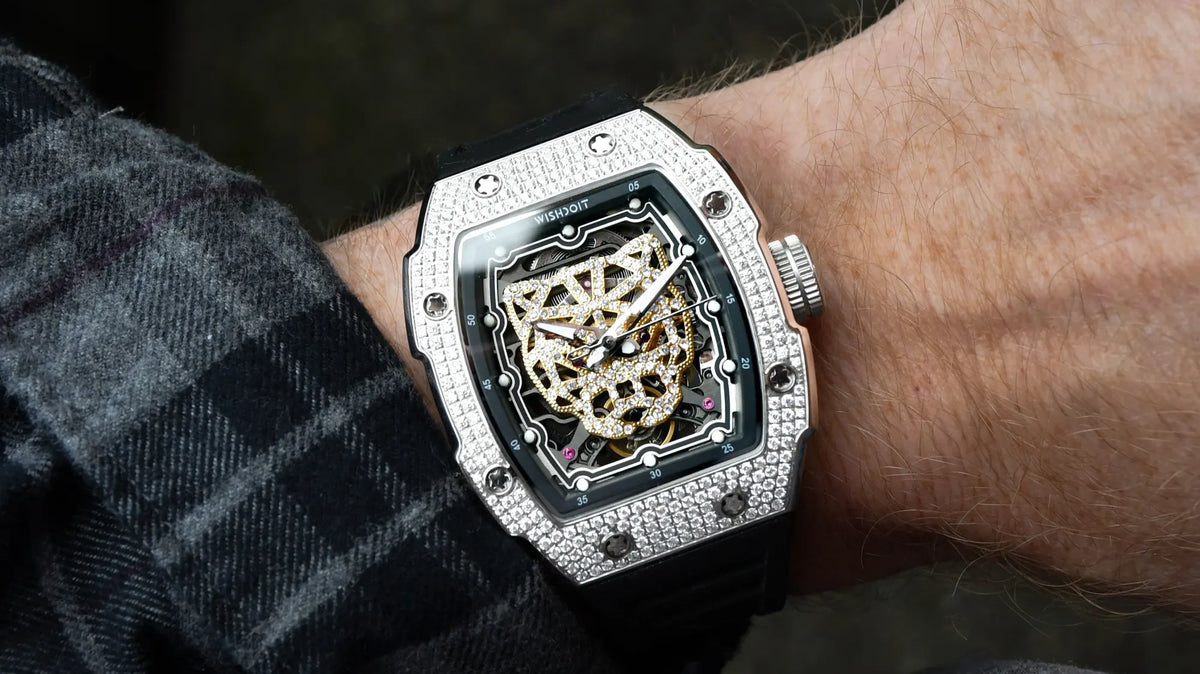
The Aerial Prism features an open skeleton design that brings the movement's mechanical character into view. Its tonneau-shaped case gives it a bold, architectural presence for buyers who want something different from a conventional round watch.
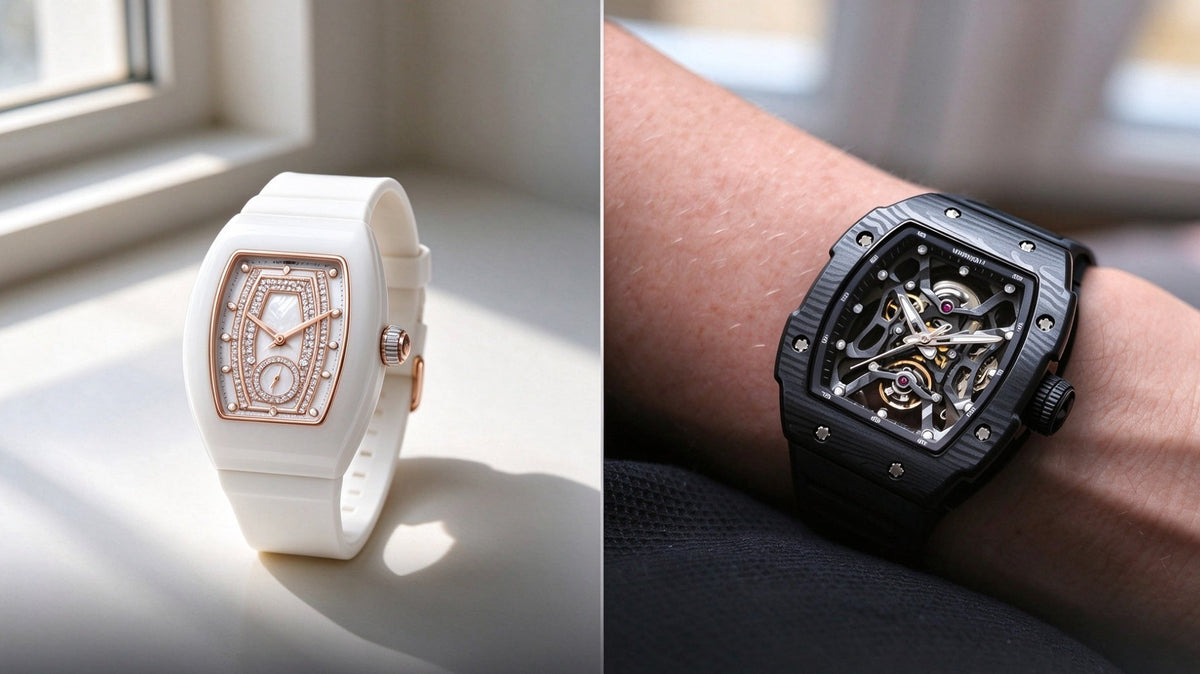
With its tonneau case and open mechanical dial, the Full Speed offers a contemporary look that puts visual attention on the movement and its construction.
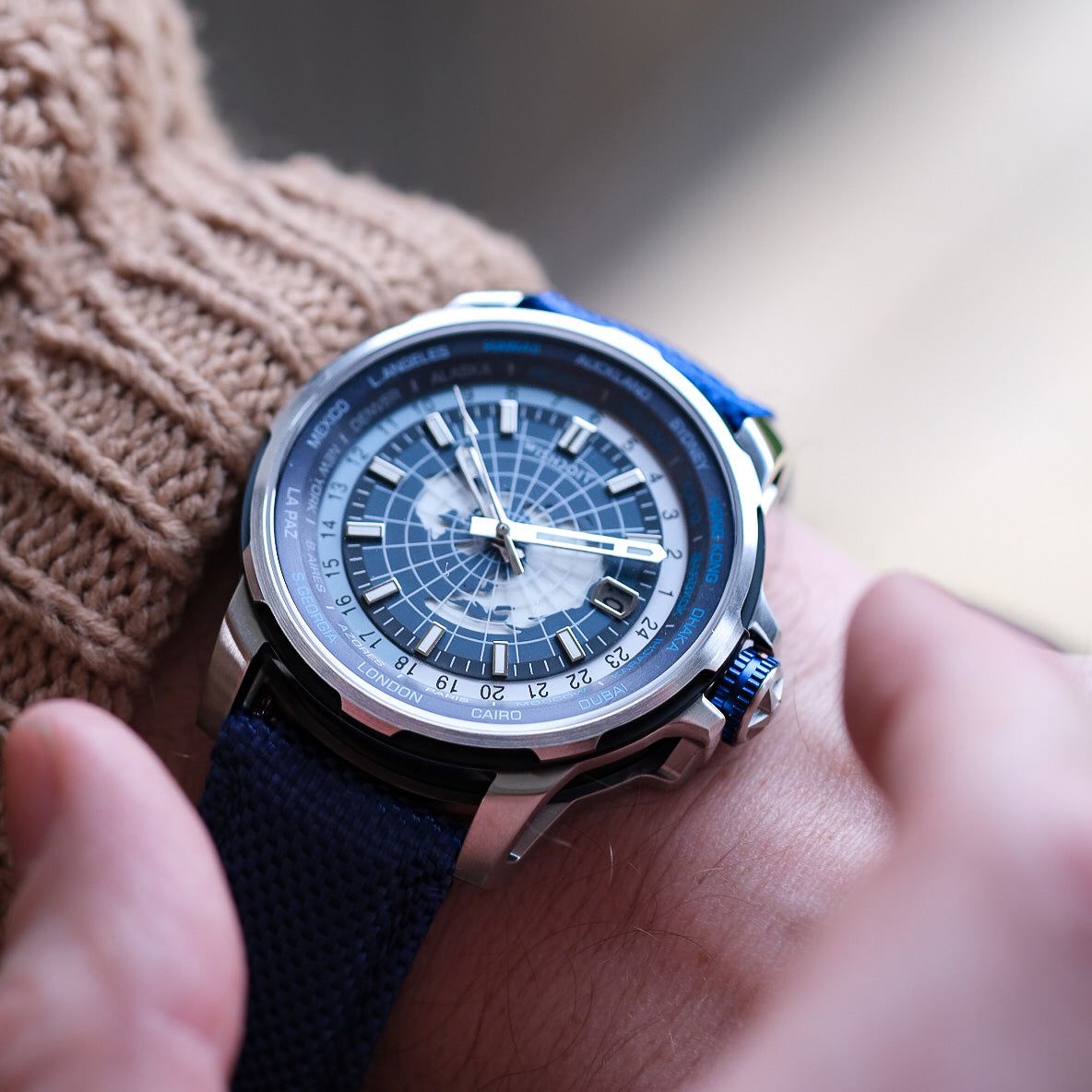
For those who prefer a more functional complication, the ETERNAL EARTH GMT combines an automatic movement with a world-map-inspired dial and a second-time-zone display.
These watches offer different approaches to mechanical design. As with any timepiece, follow the care instructions for your specific model and avoid unnecessary impacts.
Explore the WISHDOIT Automatic Watch Collection or browse the WISHDOIT All Watches Collection to compare designs and specifications.
A mechanical watch shock absorber is not a shield for the entire movement. Its key role in many designs is to help protect the delicate balance staff pivots and jewel bearings from impact.
That protection matters, but it has limits. A hard fall can affect other internal components or the exterior, even when a watch has a shock-protection system.
If you drop your watch, check it calmly, watch for changes in performance, and seek professional inspection if anything seems unusual.
The best way to protect a mechanical watch is to understand how it works, handle it thoughtfully, and respond to problems before they become more serious.
Good watch ownership isn't about expecting your timepiece to withstand everything. It's about knowing what makes it precise—and how to look after it.
You'll also like:
Can Setting the Date Damage Your Watch? The Time Zone 90% of Watch Owners Ignore
Sapphire Crystal vs. Mineral Glass: What's the Difference and Which Watch Crystal Is Better?
Why Forged Carbon Watches Are Redefining Modern Luxury Timepieces