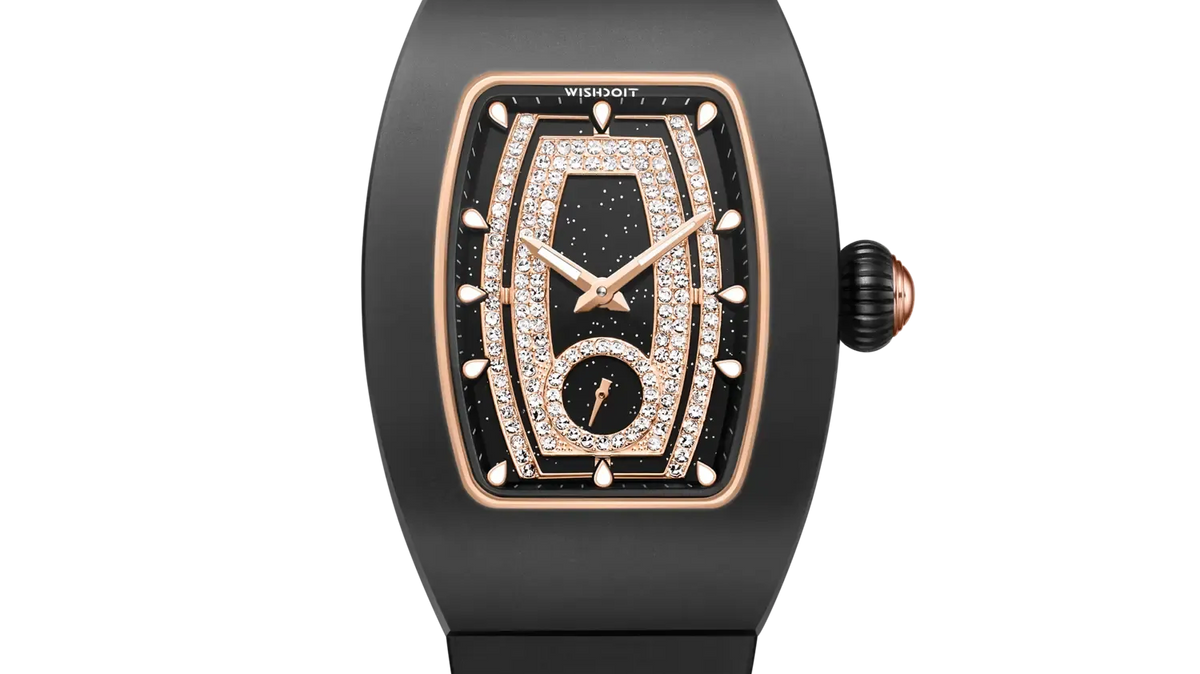


Celestia Ceramic Women’s Watch
$269

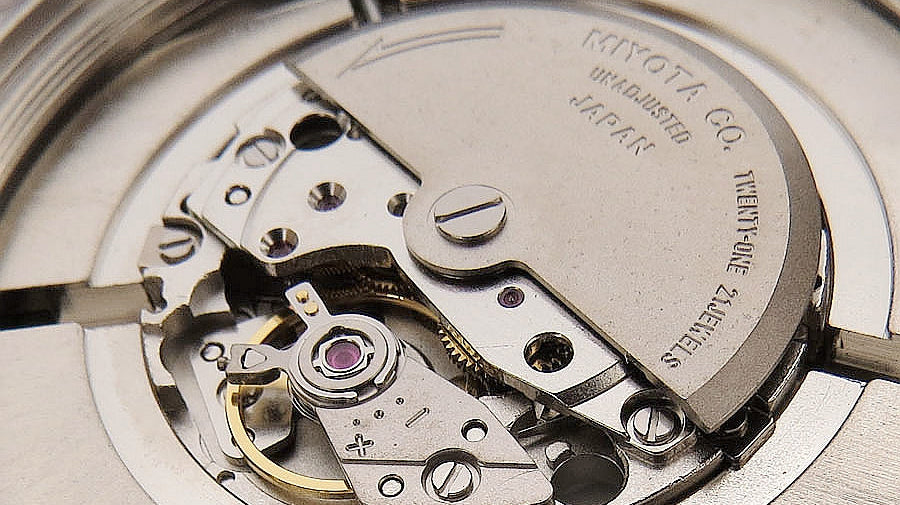
There is something fascinating about looking inside a mechanical watch. Through a transparent case back or an open-worked dial, you can admire the gears, bridges, balance wheel, and tiny components working together to measure every second.
Some movements feature polished edges, decorative stripes, beautifully finished screws, and intricate details that make them look like miniature works of art.
But here is an interesting question: Does a beautifully finished watch movement actually make a watch more accurate?
The short answer is no, not necessarily.
A movement's appearance and its timekeeping performance are two different things. While finishing reflects attention to detail and craftsmanship, accuracy depends on a much more complex combination of mechanical design, regulation, component quality, and assembly.
Let's explore what movement finishing really means, what makes a mechanical watch accurate, and why both aspects matter when choosing a timepiece.
Movement finishing refers to the processes used to refine the surfaces, edges, and individual components inside a mechanical watch.
It is an important part of traditional watchmaking because it combines technical workmanship with visual appeal.
Some common movement finishing techniques include:
Geneva stripes are parallel decorative lines applied to movement bridges and other visible surfaces.
They create a distinctive pattern that reflects light from different angles, adding depth and character to the movement.
Today, this technique is primarily decorative, although traditional finishing methods also had practical purposes related to surface treatment and cleanliness.
Perlage consists of small, overlapping circular patterns applied to movement plates and other components.
The result is a textured surface that creates a subtle visual effect when viewed under light.
Although many perlage patterns are hidden once the movement is assembled, they demonstrate attention to detail during manufacturing.
Anglage involves refining and polishing the edges of movement components.
Instead of leaving sharp, unfinished edges, watchmakers create smooth, angled surfaces that reflect light beautifully.
Beyond its aesthetic appeal, proper edge finishing can remove machining burrs and help prevent unwanted particles from interfering with the movement.
Polished screws, carefully finished bridges, and refined metal surfaces contribute to the overall appearance of a mechanical movement.
These small details may seem insignificant individually, but together they create a more sophisticated visual experience.
The important distinction is that decorative finishing does not automatically improve a movement's timekeeping performance.

If beautiful finishing doesn't necessarily make a watch more accurate, what does?
The answer lies in the mechanical components responsible for measuring time.
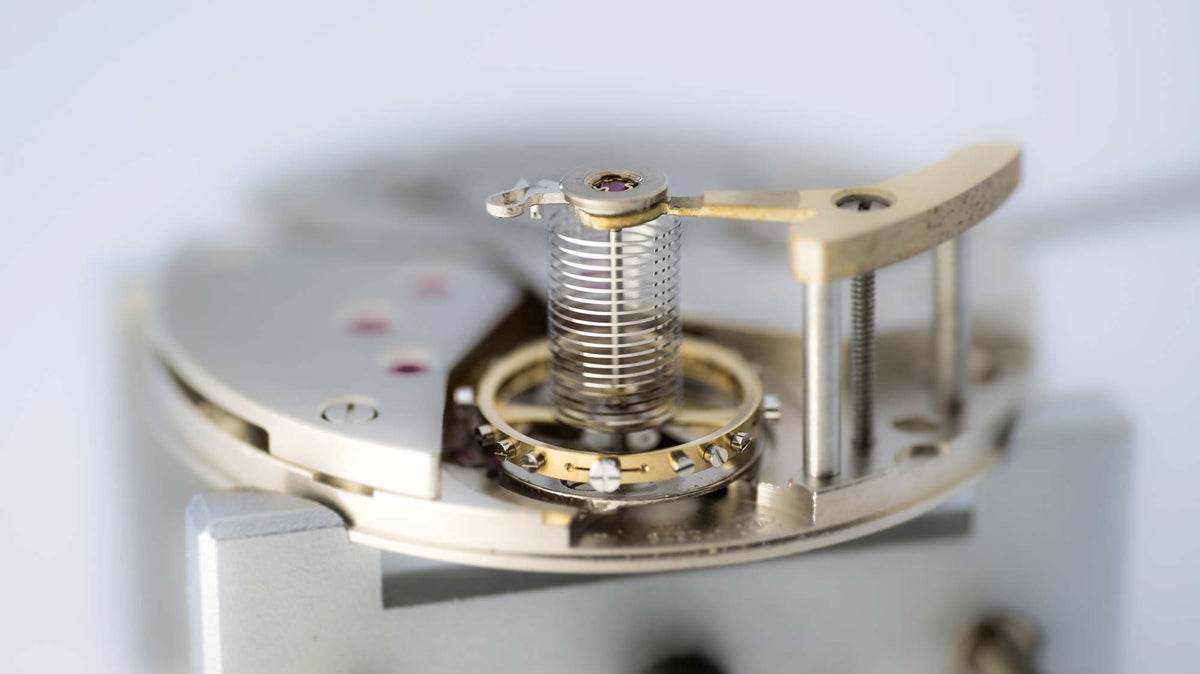
The balance wheel and hairspring form the regulating system of a traditional mechanical watch.
The balance wheel oscillates back and forth at a controlled frequency, while the hairspring helps regulate its movement.
The consistency of these oscillations plays a major role in determining how accurately the watch keeps time.
If the balance system is not properly adjusted, even a beautifully decorated movement may gain or lose more time than expected.
The escapement controls how energy from the mainspring reaches the balance wheel.
It releases energy in controlled intervals, allowing the regulating system to continue oscillating.
The design, condition, and proper assembly of the escapement all influence the watch's performance.
Regulation is another essential factor.
A watchmaker can adjust the movement to improve its average daily rate. More advanced adjustment work may also help maintain consistent performance in different positions and operating conditions.
A well-regulated movement can keep time accurately even if its visible finishing is relatively simple.
Mechanical movements contain many components that interact continuously.
Appropriate lubrication helps reduce friction and wear, while precise assembly ensures that the components work together as intended.
Poor lubrication, excessive friction, or incorrectly fitted components can affect timekeeping regardless of how attractive the movement looks.
In other words, accurate timekeeping begins with mechanical performance, not decorative appearance.
Although decorative finishing does not directly determine accuracy, some finishing processes can have functional benefits.
This is where things become more interesting.
Historically, finishing was not always about making a movement look beautiful. Some techniques developed from practical manufacturing requirements.
For example:
Polishing: Refining certain contact surfaces can reduce roughness and help minimize friction.
Beveling: Removing sharp edges and machining burrs can reduce the risk of unwanted particles entering the movement.
Surface treatment: Certain treatments can improve resistance to corrosion.
Component refinement: Properly finished parts can contribute to smoother assembly and more reliable operation.
However, it is important not to confuse these benefits with improved accuracy.
A polished bridge does not automatically make a watch run faster or slower. Similarly, decorative stripes on a movement do not guarantee better timekeeping.
The quality of the underlying engineering, component tolerances, assembly, regulation, and maintenance remains far more important.

Imagine two mechanical watches.
The first has an elaborately decorated movement, with polished bridges, decorative patterns, and carefully finished components.
The second has a relatively simple-looking movement, with minimal decoration but excellent regulation and stable timekeeping.
Which one is better?
There is no universal answer because they offer different qualities.
| Feature | Beautifully Finished Movement | Well-Regulated Movement |
|---|---|---|
| Main purpose | Visual appeal and craftsmanship | Consistent timekeeping |
| Decorative details | Often extensive | Not essential |
| Accuracy | Not guaranteed by finishing | Directly related to regulation |
| Visual experience | Often more impressive | Depends on movement design |
| Overall value | Depends on craftsmanship and construction | Depends on performance and reliability |
Ideally, a great mechanical watch combines both.
It should look attractive, operate reliably, and offer a satisfying ownership experience.
But if you have to prioritize one factor when evaluating a watch's practical performance, mechanical quality and timekeeping specifications should come before decorative details.
For people who appreciate mechanical watches, a skeleton dial offers something special.
Unlike a traditional dial that hides most of the movement, a skeleton watch reveals more of its internal structure.
The gears, bridges, balance wheel, and other mechanical elements become part of the watch's visual identity.
This creates a different relationship between the wearer and the timepiece.
You are not simply reading the time. You are also appreciating the engineering and design behind it.
A skeleton watch makes the movement part of the overall design.
Every opening, bridge, and visible component contributes to the watch's appearance.
The arrangement of the mechanical elements becomes just as important as the shape of the case or the design of the hands.
However, an open-worked design does not automatically indicate superior mechanical performance.
A skeleton watch still needs a properly constructed, assembled, and regulated movement to deliver reliable timekeeping.
At WishDoit, we believe that mechanical watches should be enjoyable from both a functional and visual perspective.
Rather than hiding the mechanics behind a conventional dial, its skeleton design allows the movement to become part of the visual experience.
It is a reminder that a watch can be both a practical timekeeping instrument and an expression of personal style.
If you are considering purchasing an automatic or skeleton watch, don't judge its quality by appearance alone.
Here are five things worth checking.
1. Movement Specifications
Find out which movement the watch uses and learn about its stated accuracy range, power reserve, and winding requirements.
2. Timekeeping Performance
Look for realistic accuracy specifications rather than assuming that an attractive movement guarantees precision.
3. Build and Assembly Quality
Pay attention to the overall construction, crown operation, hand alignment, and finishing of the visible components.
4. Practical Features
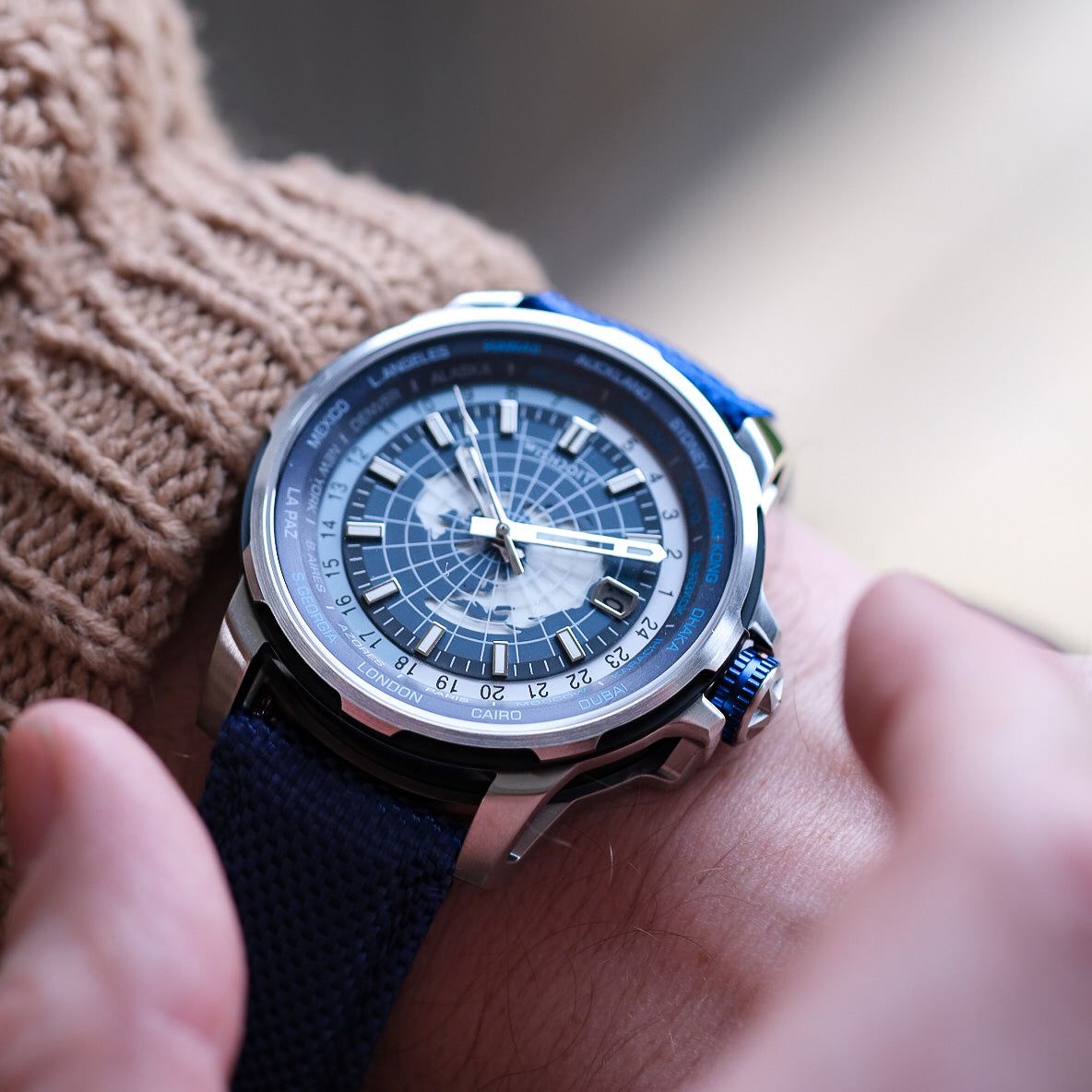
Consider whether you need a date display, GMT function, chronograph, or other complications.
5. Maintenance and After-Sales Support
Mechanical watches require appropriate care. Check the maintenance recommendations and warranty support before purchasing.
At WishDoit, we believe that choosing a watch should be about finding the right balance between design, functionality, and everyday enjoyment.
Explore our WishDoit Watch Collection to discover different styles, from automatic skeleton watches to distinctive GMT and chronograph designs.
So, does a beautifully finished movement make a watch more accurate?
Not necessarily.
Movement finishing is an expression of craftsmanship. It reveals the care taken to refine the surfaces and details of a mechanical movement, making the internal architecture more attractive and enjoyable to appreciate.
Accuracy, on the other hand, comes from mechanical engineering, precise regulation, quality assembly, proper lubrication, and consistent maintenance.
The best watches bring these qualities together without confusing appearance with performance.
At WishDoit, we appreciate both sides of watchmaking: the engineering that keeps every second moving and the design that makes every moment worth looking at.
Because a great watch should not only tell time. It should give you something beautiful to appreciate every time you look at it.
You'll also like
How to Set Your Watch When the Clocks Go Back — and the One Mistake That Can Cost You
Why Racing Chronograph Watches Are Built for More Than Speed