

Celestia Ceramic Women’s Watch
$269

If you keep seeing the phrase tonneau watch, you are looking at one of the clearest alternatives to the classic round case. A tonneau case is barrel-inspired: longer from top to bottom than a circle of the same width, with soft curves instead of sharp square corners. That shape changes how a watch sits, how large it reads on the wrist, and which styles feel natural with it.
This guide explains what a tonneau watch is, why the proportions matter, how to read the specs without getting misled by a single “diameter” number, and who the shape tends to suit. When you want to compare real examples, browse the Wishdoit tonneau watch collection alongside the notes below.

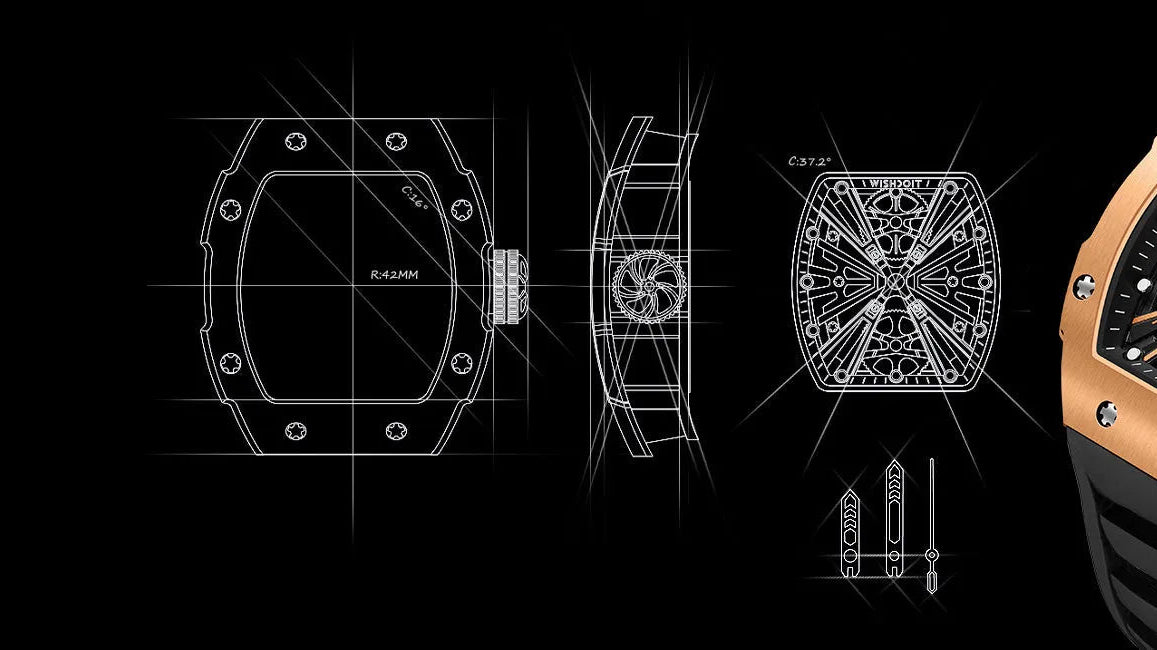
“Tonneau” comes from the French word for a cask or barrel. In watchmaking, it describes a case elongated along the 12-to-6 axis, with curved sides that swell gently outward—more architectural than a perfect circle, softer than a hard rectangle.
Compared with a round watch of similar width, a tonneau usually covers more vertical space on the wrist, creates a stronger outline at a glance, and gives dial designers a taller canvas for skeleton bridges, chronograph registers, or layered dials. The geometry itself is the point: presence comes from proportion, not from louder branding. If you are still mapping styles, our beginner overview of watch styles, movements, and budgets places tonneau alongside other common silhouettes.
On a flat product photo, case shape can look like a styling detail. On the wrist, it becomes architecture. A round watch distributes its mass around a center point; a tonneau stretches that footprint along your forearm. The longer silhouette often feels more directional next to a cuff, short sleeve, or sport strap.
Presence is not only about “looking bigger.” Two people can wear the same width and have different experiences depending on wrist width, caseback curve, strap thickness, and whether the dial is open or sparse. Tonneau rewards buyers who check those details—and frustrates anyone who shops by a single millimeter figure alone.
For round watches, “42 mm” usually means case diameter. For a tonneau watch, that habit can mislead you. Read the full set of measurements.
Most Wishdoit men’s sport tonneaus in this guide are listed as 42 mm × 50 mm: about 42 mm across (3-to-9) and 50 mm along the longer axis (12-to-6). The second number is closer to how much of your wrist the case covers end to end, so it is often more useful than width alone.
That length is also why a tonneau can feel closer to a larger round watch even when the width looks familiar. If you already own a comfortable round 40–42 mm watch, compare its length on the wrist, not only its labeled diameter. Our note on why lug-to-lug distance matters is useful context for any elongated case.
Many of the skeletons and racing chronographs here share a thickness around 14.8 mm—a sport-oriented profile with room for automatic movements, chronograph stacks, or open dials, not a dress-watch sliver. If you wear watches under tight shirt cuffs, study side-profile photos or compare thickness against a watch you already find comfortable.
Weight can diverge sharply even when the case outline looks similar:
Same general 42 × 50 mm tonneau footprint; very different on-wrist feel. Prefer a lighter daily watch? Prioritize material and listed weight as much as shape.
These examples commonly use a 25 mm fluorine rubber strap with about 21 cm listed band length. A wider strap visually anchors a tall case; flexible rubber also helps a sport tonneau wrap more comfortably than a stiff leather strap of the same width. For a full fit checklist, see the Wishdoit watch sizing guide.
Tonneau often suits you if you want a silhouette distinct from the default round sport watch, like architectural or motorsport-inspired design, prefer stronger visual presence, or enjoy skeleton dials and multi-register chronographs that benefit from a taller case.
Compare carefully if you have a narrow wrist and dislike overhang, prefer minimal dress watches, need a very thin cuff-friendly profile, or are still sizing only from round-watch diameter habits. Check length and weight before deciding.
Wrist circumference still matters, but for tonneau, wrist width and how the case sits flat-to-curve matter just as much. When in doubt, print a 1:1 size reference from the sizing guide and hold the outline against your wrist.
Not every tonneau wears the same way. Within Wishdoit’s tonneau collection, three useful families stand out.

Open-worked dials use the elongated tonneau window to show bridges, gears, and finishing. The Aerial Prism Mechanical Skeleton is a clear example: 42 mm × 50 mm tonneau, 14.8 mm thick, 316L stainless steel, automatic movement, fluorine rubber strap (25 mm / 21 cm), 5 ATM, and about 135 g. The Full Speed Tonneau Skeleton keeps the same overall steel outline but drops weight to about 98 g—useful if you want the skeleton look without the heavier feel.

Forged carbon shifts the story from steel sport tonneau to a lighter, more textured statement. The Captain Kidd Forged Carbon Mechanical Watch keeps the 42 mm × 50 mm geometry and 14.8 mm thickness, but brings weight down to about 76 g while retaining a skeleton automatic layout and fluorine rubber strap. No two forged-carbon patterns are identical, so the case itself becomes part of the character.

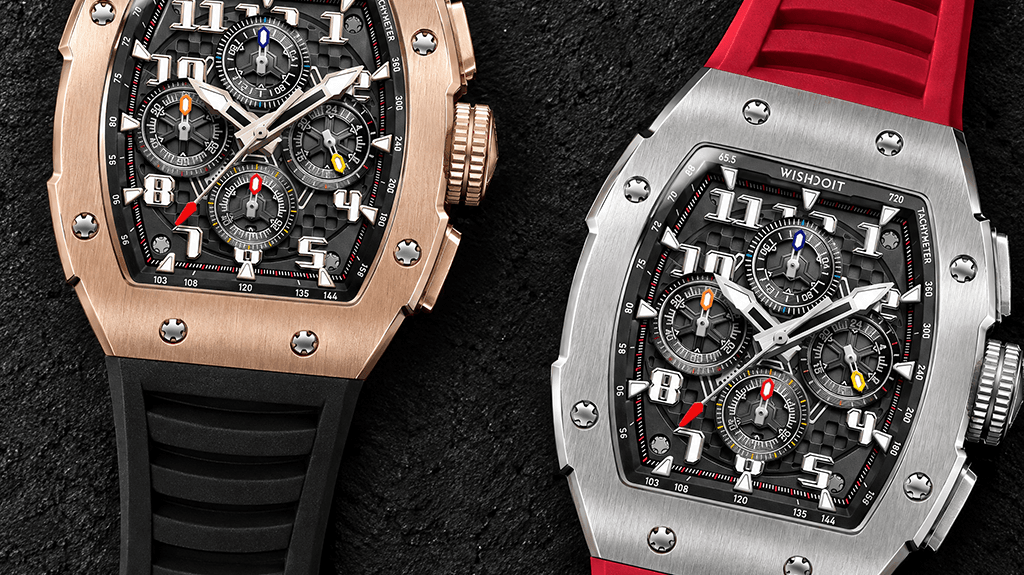
Racing tonneaus lean into motorsport dials, pushers, and high-contrast straps. Practical options include the Racing GT Chronograph (quartz chronograph, about 135 g), Racing GT 2.0 (about 106 g), and Racing F-150 (about 106 g). All three share the 42 mm × 50 mm tonneau case, 14.8 mm thickness, and fluorine rubber straps—so you can choose by dial layout and weight rather than reinventing fit.
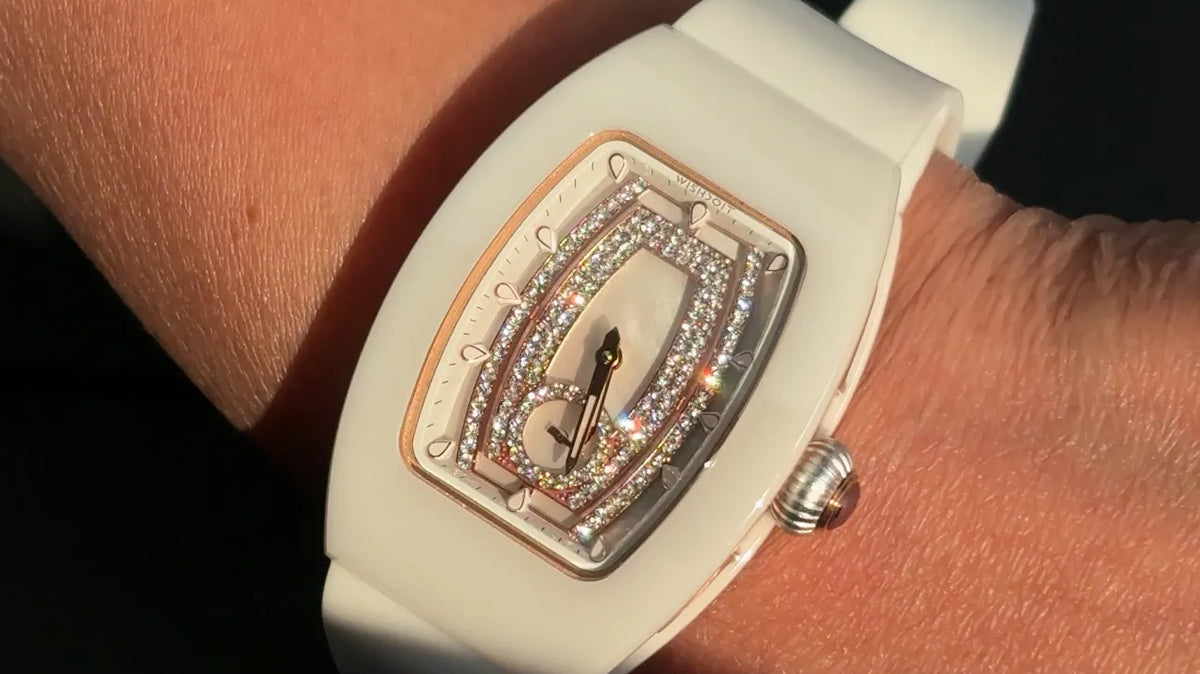
Prefer a lighter ceramic tonneau for everyday wear? Celestia Ceramic Women’s Watch is a women’s tonneau option with a ceramic case—we’ll cover ceramic care and finish in a follow-up guide.
A few practical habits make tonneau shopping less guesswork:
Several Wishdoit tonneau models in this article are rated 5 ATM. In everyday terms, that supports splashes and brief contact with water under test conditions. It is not a green light for swimming, showering, or diving, and you should not operate the crown or pushers while the watch is wet. Always follow the care notes on the individual product page.

They are related ideas, not perfect synonyms. Tonneau usually means a barrel-inspired case with curved long sides and an elongated 12-to-6 footprint. Barrel is often used loosely for the same family. A cushion case is typically closer to a rounded square—softer corners and a more compact “pillow” outline. When shopping, trust the listed case shape and the width × length measurements more than nicknames.
Often, yes—especially when length exceeds the width people associate with a round “diameter.” A 42 mm × 50 mm tonneau can feel closer to a larger round watch because of that extra vertical coverage. If you want a subtler look, compare length carefully and use a printable size reference before buying.
Choose based on ownership style. Automatic skeletons such as Aerial Prism, Full Speed, and Captain Kidd emphasize mechanical motion and open dials; they reward regular wear (or gentle winding after rest). Quartz racing chronographs such as Racing GT, Racing GT 2.0, and Racing F-150 prioritize low-maintenance accuracy and stopwatch utility. The case shape works in either family—the better question is which dial and routine you will enjoy daily.
Confirm case shape, then check width × length, thickness, weight, strap width/length, movement type, and the water-resistance note on the product page. Those checkpoints prevent most sizing surprises.
A tonneau watch trades the familiarity of a perfect circle for clearer architecture on the wrist. Once you read size as width × length—and weigh thickness and grams alongside style—you can pick skeleton steel, forged carbon, or racing chronograph versions with more confidence.
When you are ready to compare options side by side, explore the full tonneau watch collection and match each model’s published specs to your wrist and wardrobe—not to a single round-watch habit.