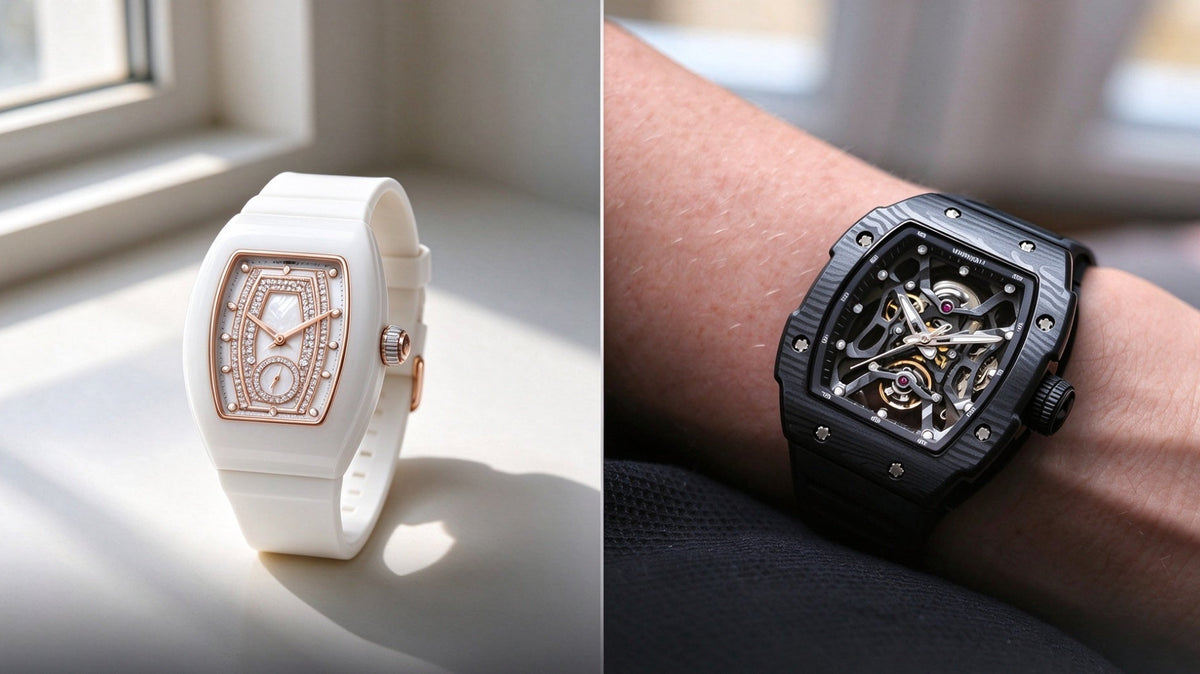


Celestia Ceramic Women’s Watch
$269

You are standing in front of a display case. A watch catches your eye. The dial has a subtle texture. The hands are perfectly proportioned. The case finishing catches the light just right. You imagine it on your wrist. Then a quieter question follows: would anyone else notice?
This tension—between personal appreciation and external validation—haunts watch collecting. Social media rewards visible status. Conversations reward recognizable names. But what if no one ever saw your watch? What if you wore it alone, in a room with no mirrors, no cameras, no comments?
Would you still buy it?
Every watch has two types of value. The first is objective: movement quality, material integrity, accuracy, durability. This value exists regardless of audience. A well-regulated movement keeps time whether anyone checks it. A sapphire crystal resists scratches in solitude.
The second is social: brand recognition, status signaling, conversation-starting design. This value depends entirely on an audience. A luxury logo means nothing to someone who doesn't know it. A complicated dial impresses only those who understand complications.
Neither type is invalid. But they are different. And confusing them leads to dissatisfaction.
Scroll through watch content online. The watches that get attention are not always the watches that wear best. They are the watches that photograph well, that have recognizable names, that generate discussion.
It is easy to start wanting what gets approval. A skeleton dial for the comments. A luxury brand for the recognition. A limited edition for the exclusivity. These are valid desires. But they are desires for an audience, not for yourself.
If social media disappeared tomorrow, would you still want that watch?
Here’s a paradox: the most satisfying watches are often the least flashy. A solid steel case, a clean dial, and a comfortable leather strap rarely go viral on TikTok. But those are exactly the watches you never want to take off. They become part of your personal history—the watch you wore when you closed a big deal, the watch that ticked beside you during a quiet morning coffee, the watch that saw your real life, not your curated life.
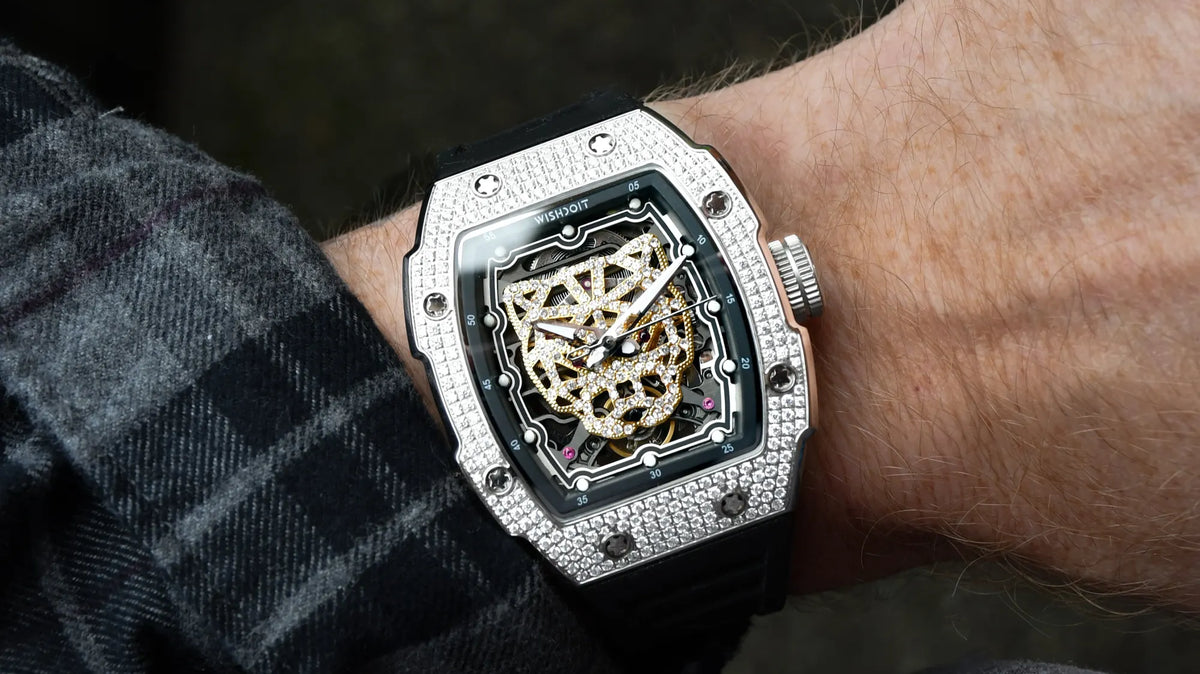
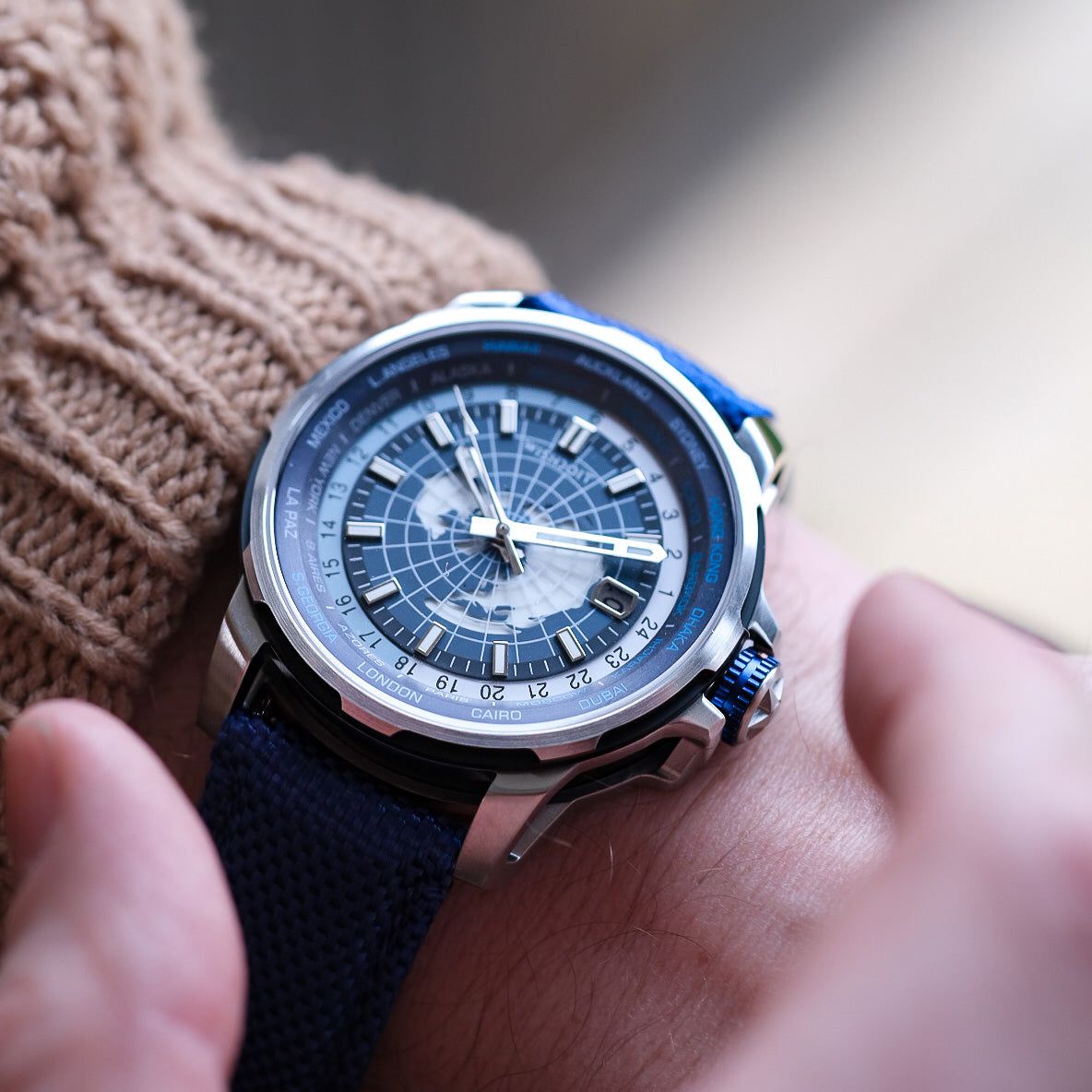
That is the philosophy behind quality wishdoit watches. They don’t rely on gimmicks or logo-mania. Instead, they focus on the fundamentals: sapphire crystal, stainless steel, and automatic or quartz movements that just work. No noise. No desperation for a second glance. Just honest craftsmanship for the person who knows that a watch’s first job is to please its owner.
Some watches appeal to no one but their owner. An obscure microbrand with an unusual design. A vintage piece with visible wear. A quartz watch when "everyone" says mechanical is superior.
These watches have value that outsiders cannot see. The owner appreciates the engineering, the history, the personal connection. That appreciation does not require witnesses.
Wishdoit watches occupy an interesting space here. They are not household names. They do not carry centuries of heritage. Their value lies in what they deliver: reliable movements, thoughtful materials, distinctive design. For an owner who chooses one, the satisfaction comes from the wearing, not the announcing.

Status is not evil. It is simply external. A watch that signals achievement can be genuinely meaningful—a marker of a milestone, a reward for hard work.
The trap is buying status for its own sake. A watch that impresses strangers but does not please its owner is a hollow purchase. The compliments fade. The cost remains.
If you remove the audience and still want the watch, you have chosen well. If you remove the audience and feel indifferent, you have bought a signal, not a timepiece.
Wear your watch alone for a week. No social media posts. No comments to friends. No checking forum reactions. Just you and the watch.
Notice how often you look at it. Notice whether those looks bring pleasure. Notice whether you adjust it on your wrist because you like seeing it there.
This quiet test reveals the truth that hype cannot touch.

The watch industry spends millions convincing you that other people's opinions matter. Limited editions create scarcity. Celebrity endorsements create aspiration. Forum hype creates fear of missing out.
But when you are alone with your watch—checking the time in a quiet room, adjusting it before sleep, winding it on a Sunday morning—no one else is there. Only you.
If you would still buy it then, you have found a watch worth keeping.
Because the only opinion that follows you home is your own.