


Find Your Perfect Watch
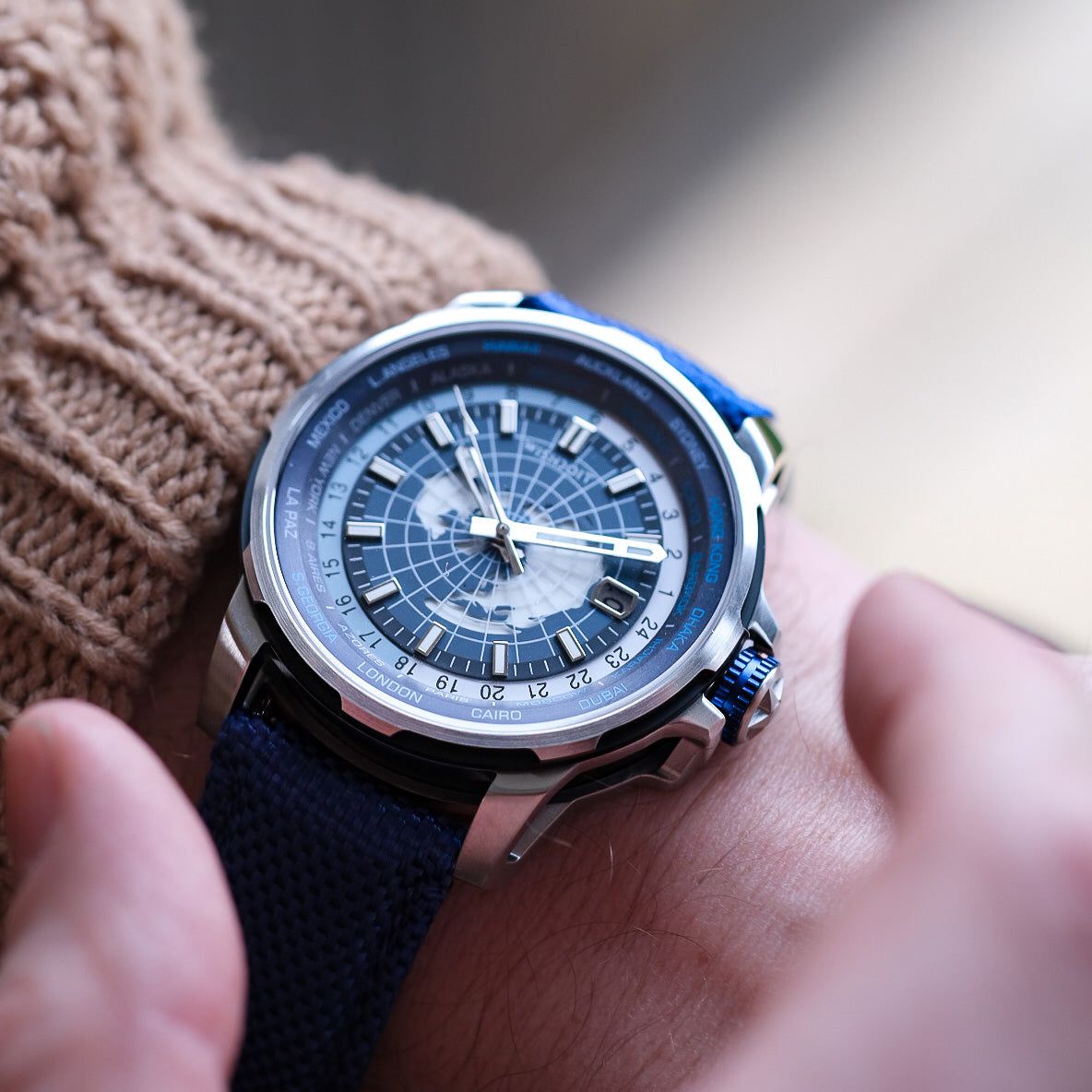
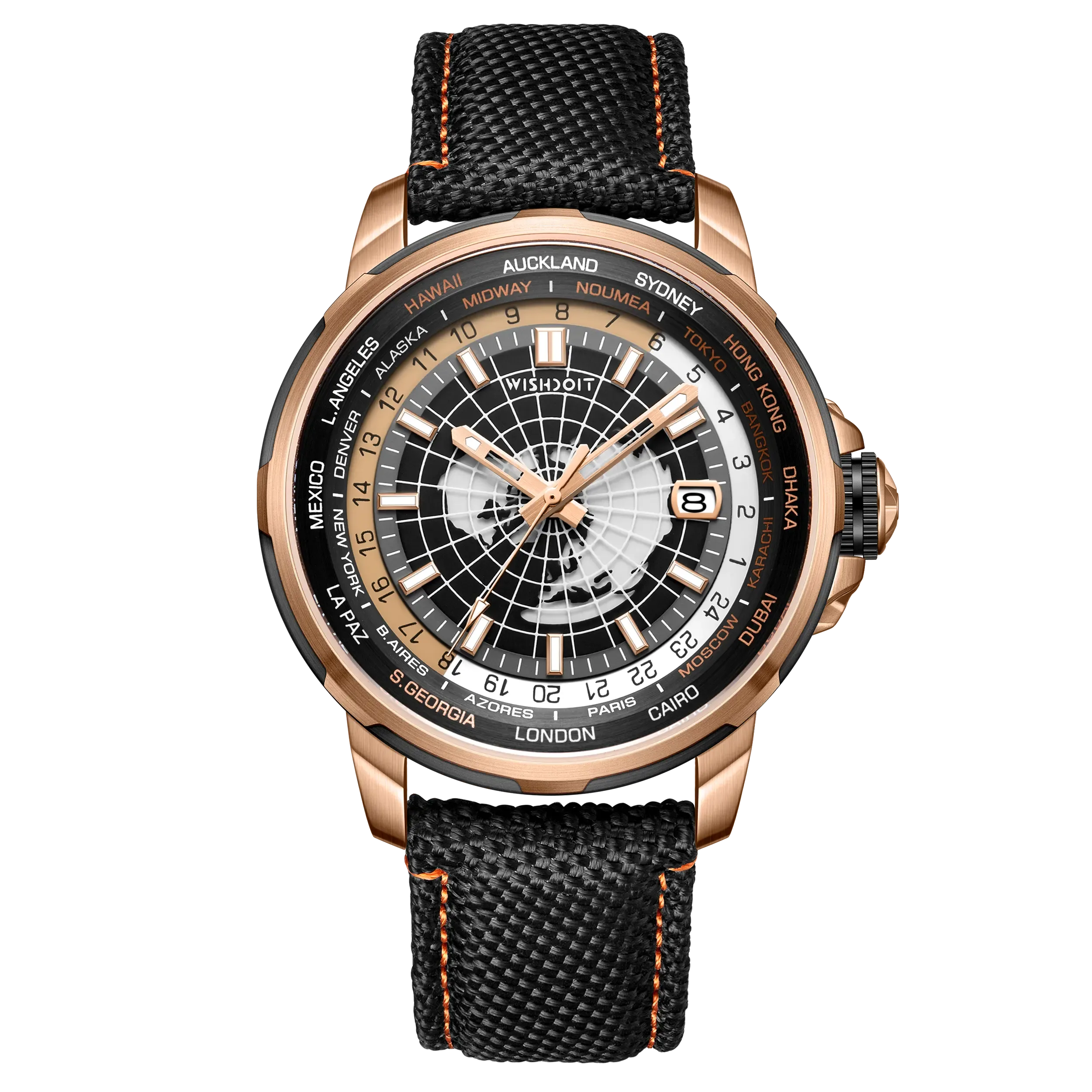
🌏 GMT Watches
For travelers who chase new horizons


Fall Upgrade Sale : 20% OFF. Automatically Applied.




Mechanical Watch FAQ
1.How to wind a mechanical watch?
There are two types of mechanical watches: manual-winding watches and self-winding watches. All of our watches are self-winding watches, also known as automatic mechanical watches. Under normal circumstances, a watch that is moving does not require additional manual winding. When the watch is not worn for a period of time, the watch will stop moving. At this time, it takes about 20 turns of manual winding. Please do not overwind the watch to avoid damage to the watch. Here is Instruction Manual.
2.What is an automatic mechanical watch?
An automatic mechanical watch is a self-winding watch. It's called an automatic or self-winding watch because it doesn't require a battery and is powered by an oscillating weight on the back of its movement. When you wear it, the oscillating weight will oscillate due to your movement, thereby automatically winding. Automatic movement watches represent the highest level of craftsmanship in the watchmaking industry, because the coin-sized movement contains thousands of complex parts that need to work together precisely to achieve the automatic function of the watch.
3.How does automatic mechanical watch work?
Automatic mechanical watches are also known as automatic winding watches. A self-winding watch movement has a mechanism which winds the mainspring using the natural motions of the wearer's body. The watch contains an oscillating weight that turns on a pivot. When you wear it, the oscillating weight will oscillate due to your movement, thereby automatically winding. As long as you move, the watch will never stop.
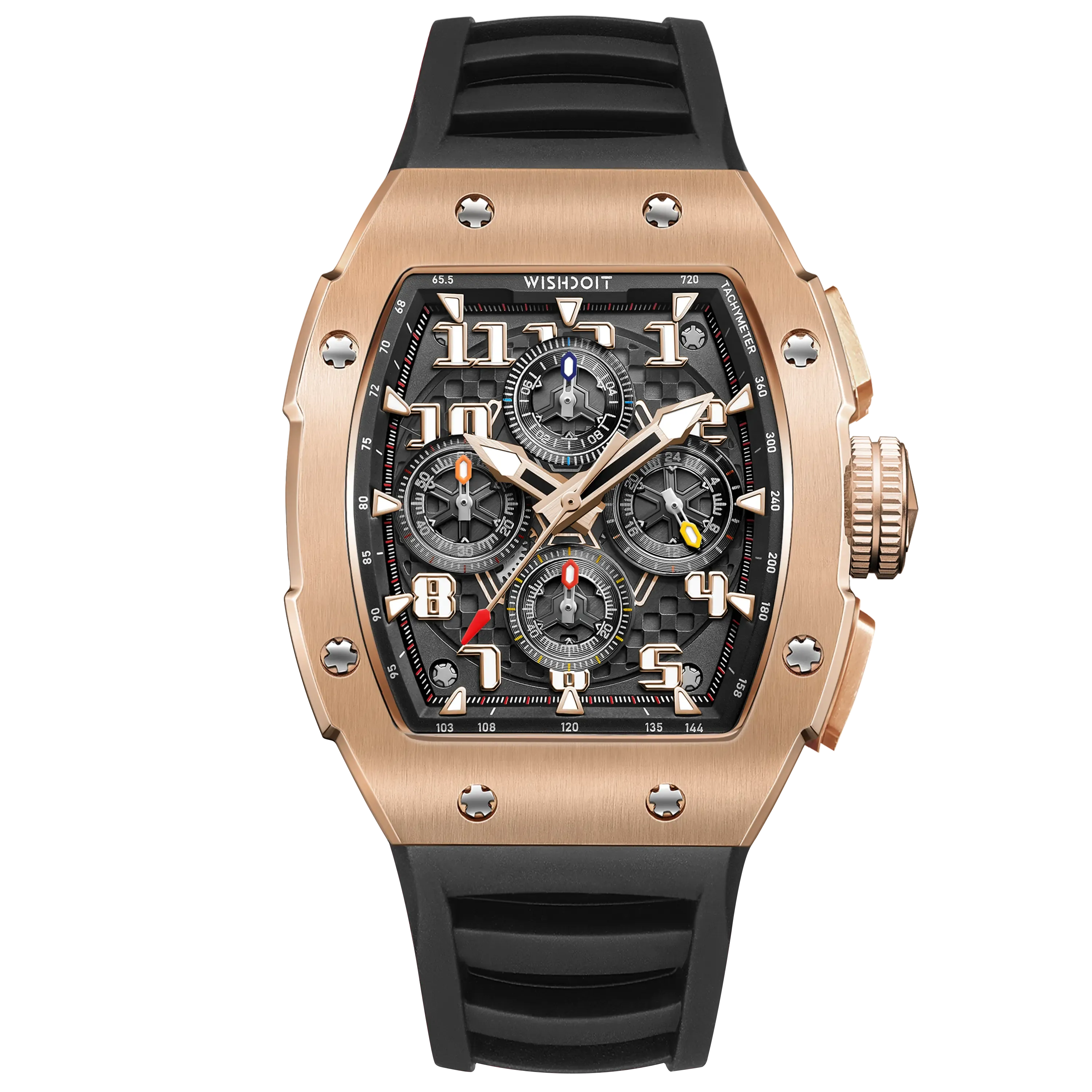
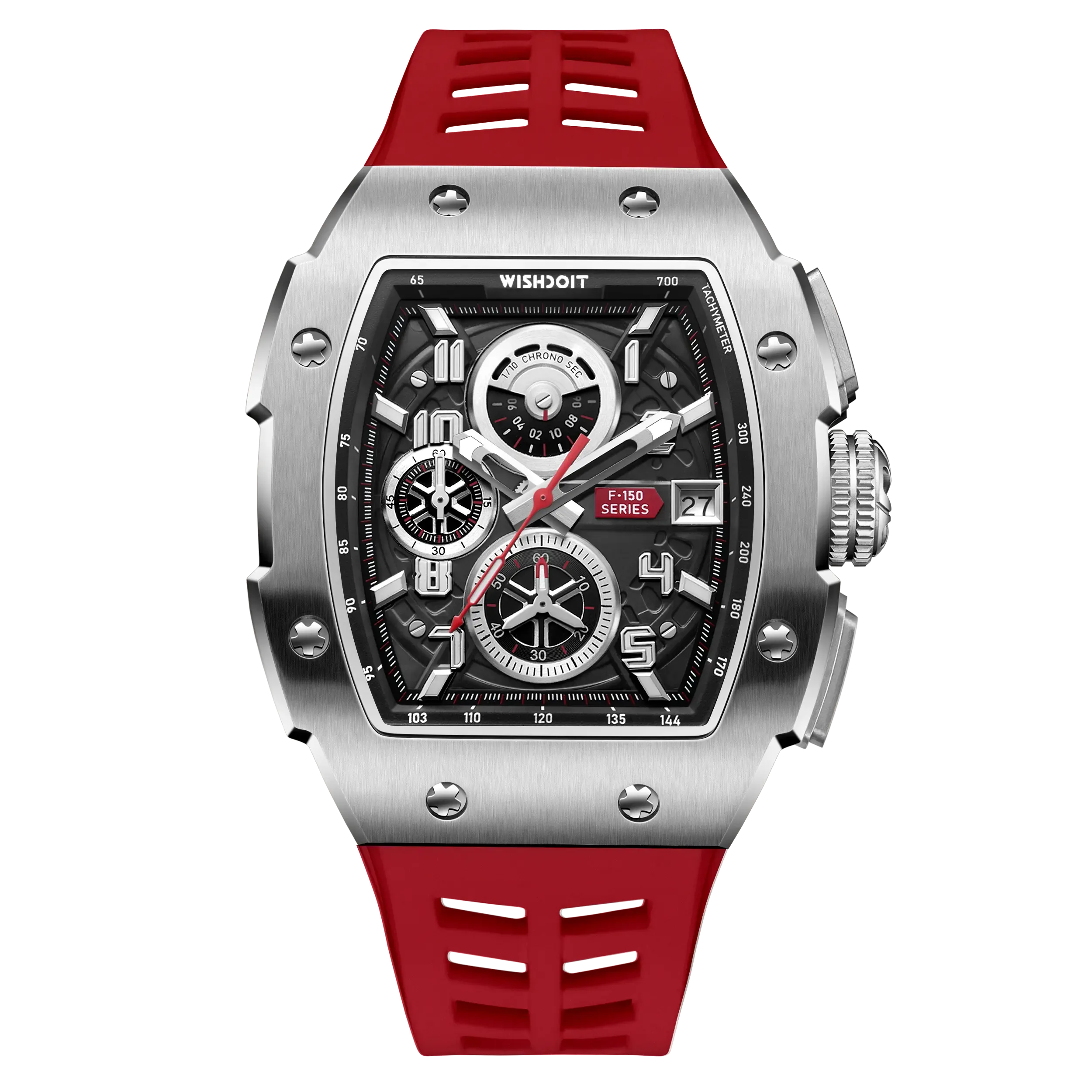
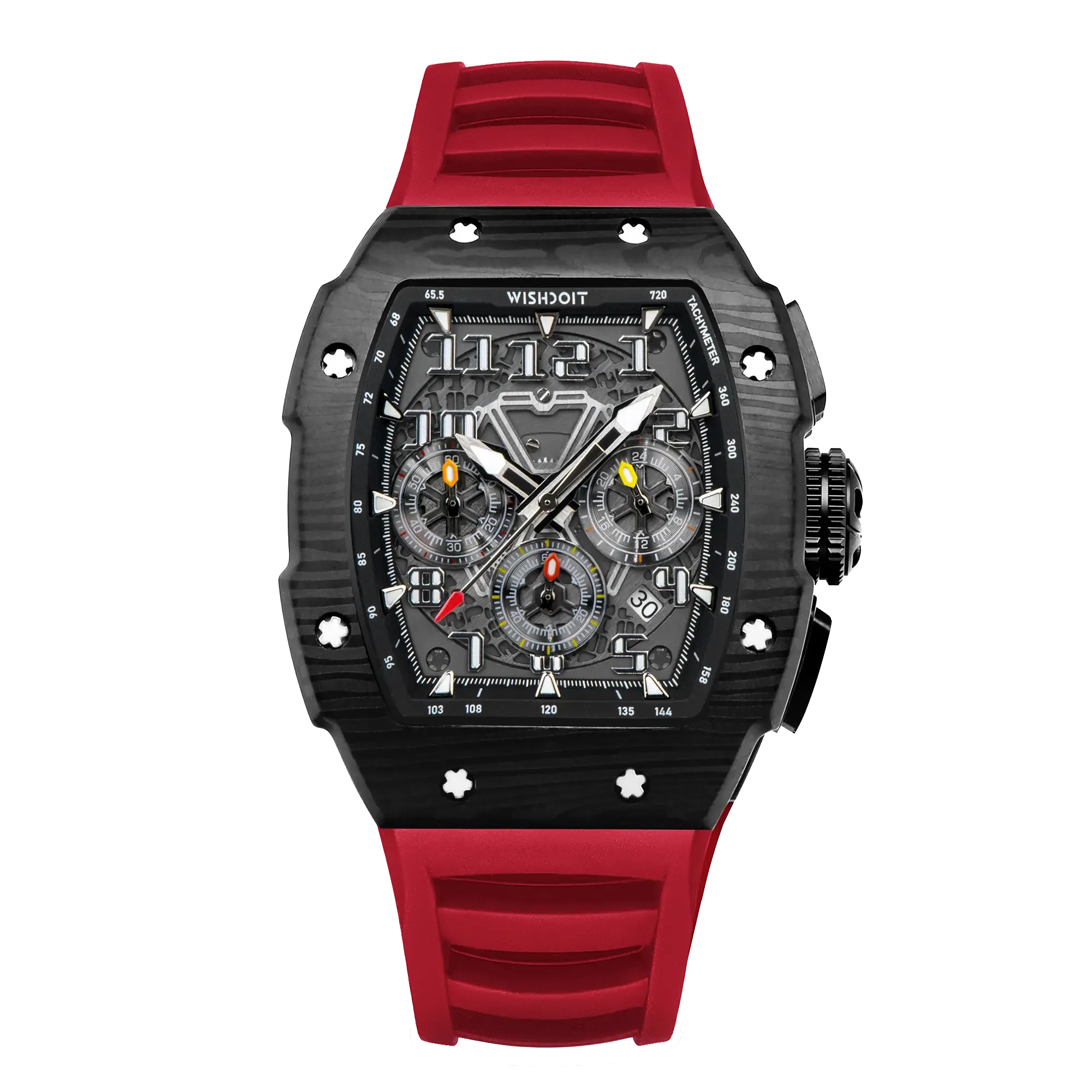
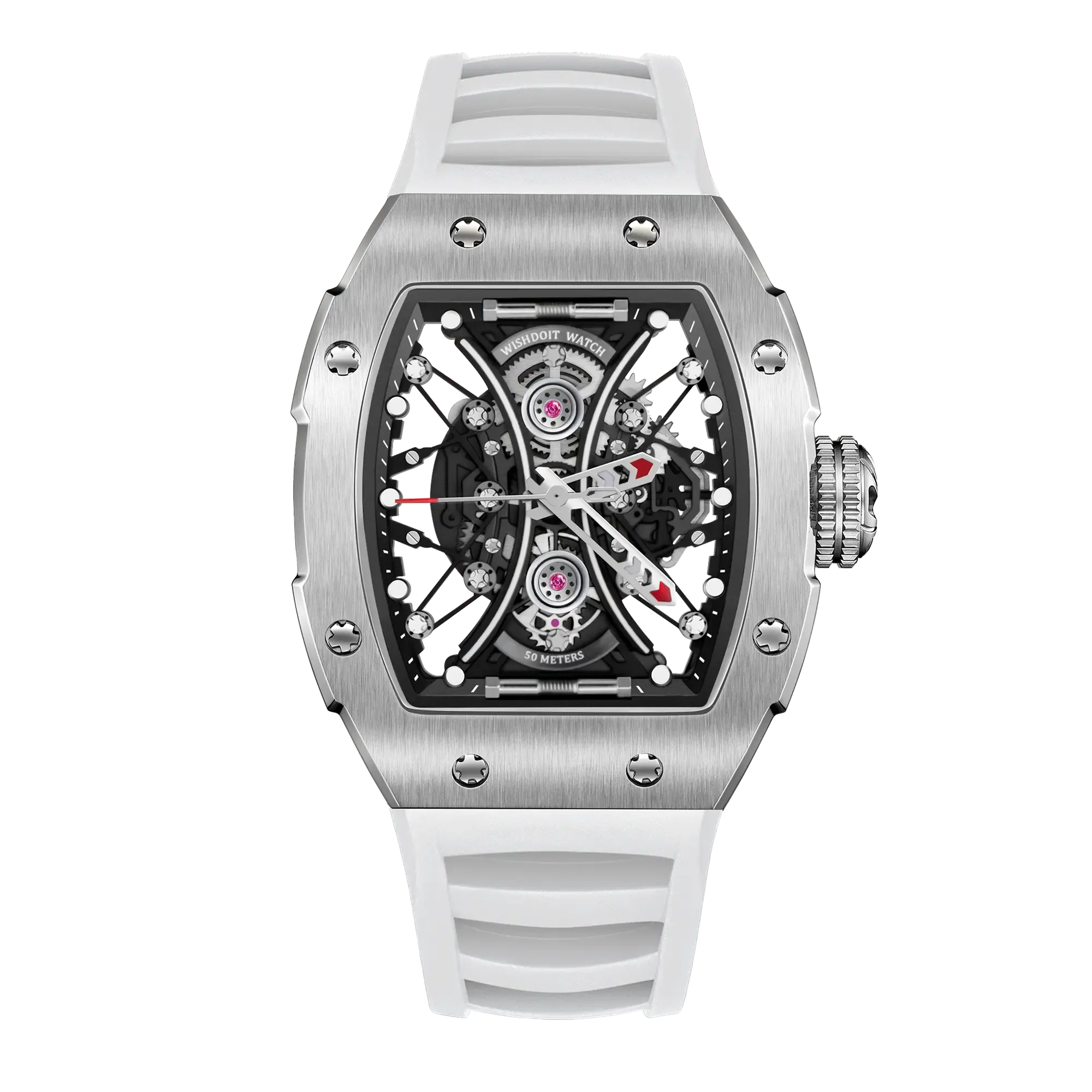
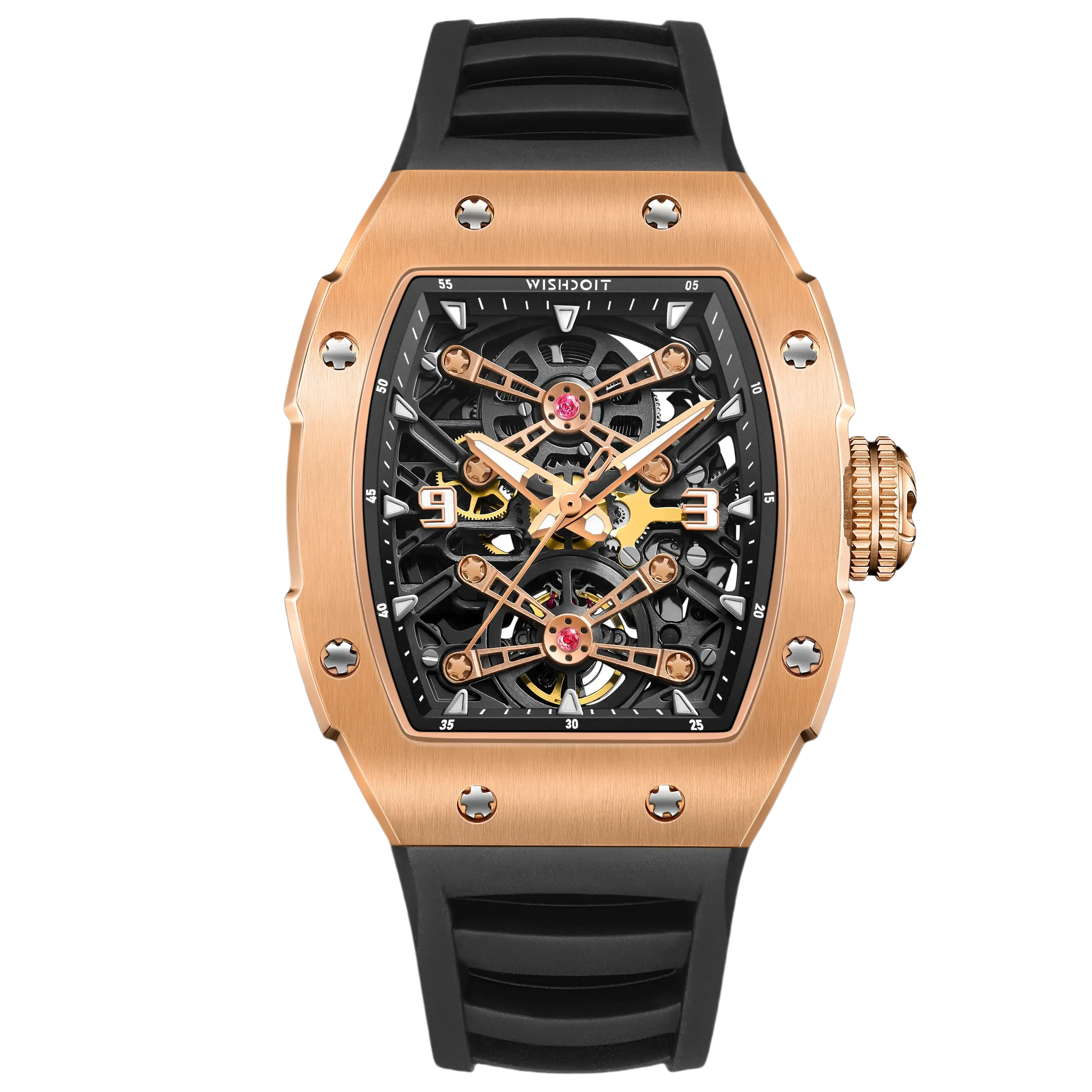
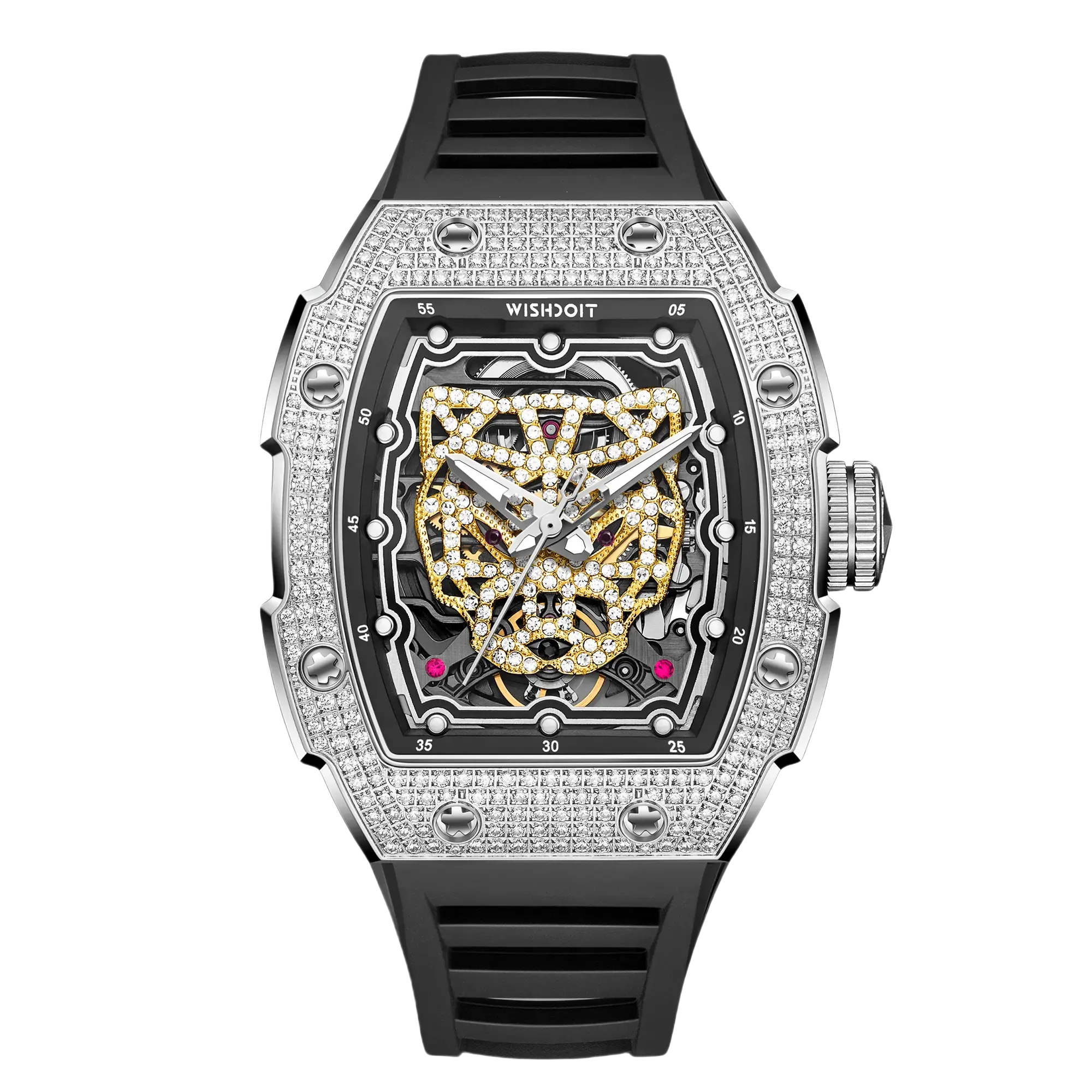
4.What is tonneau shaped watch?
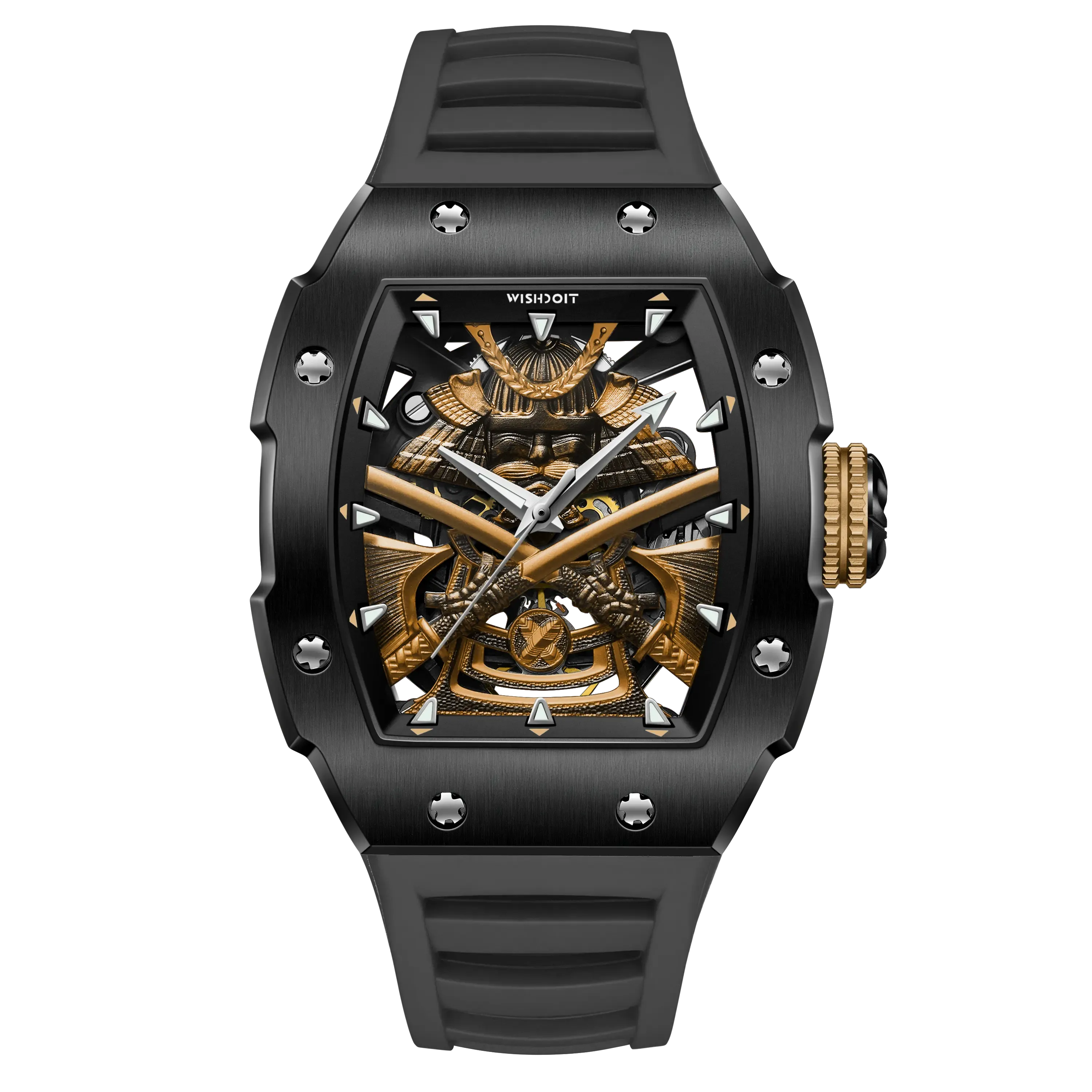
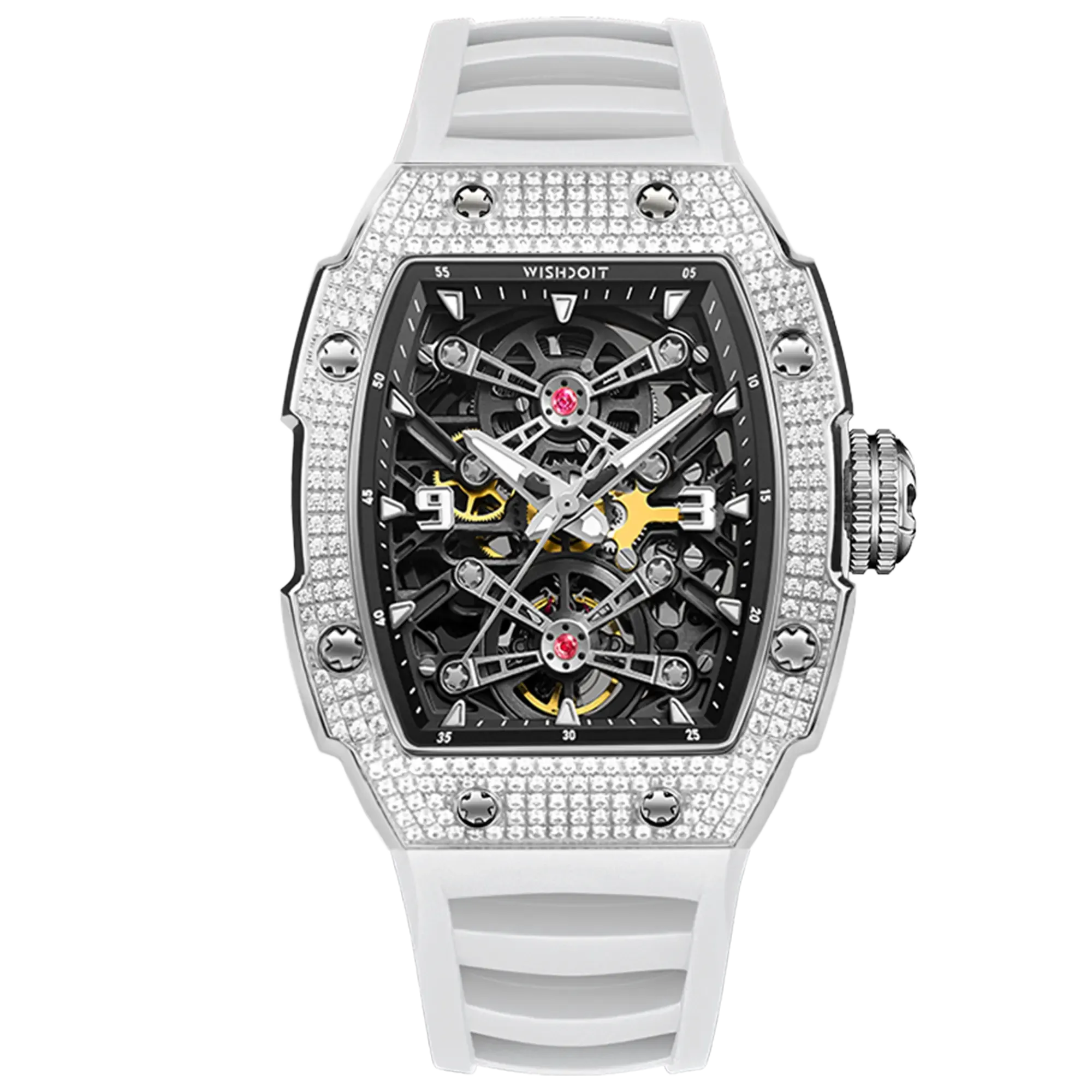
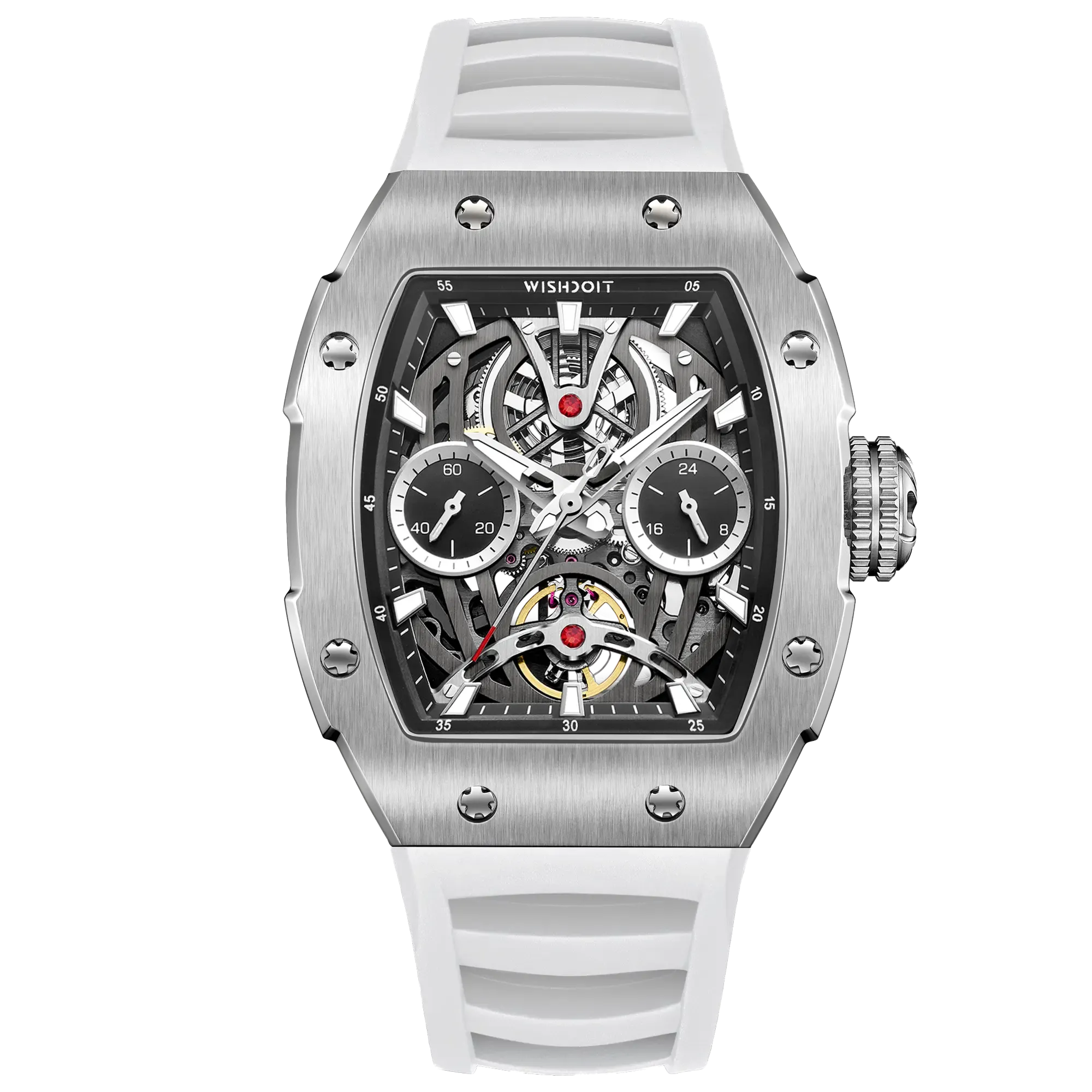
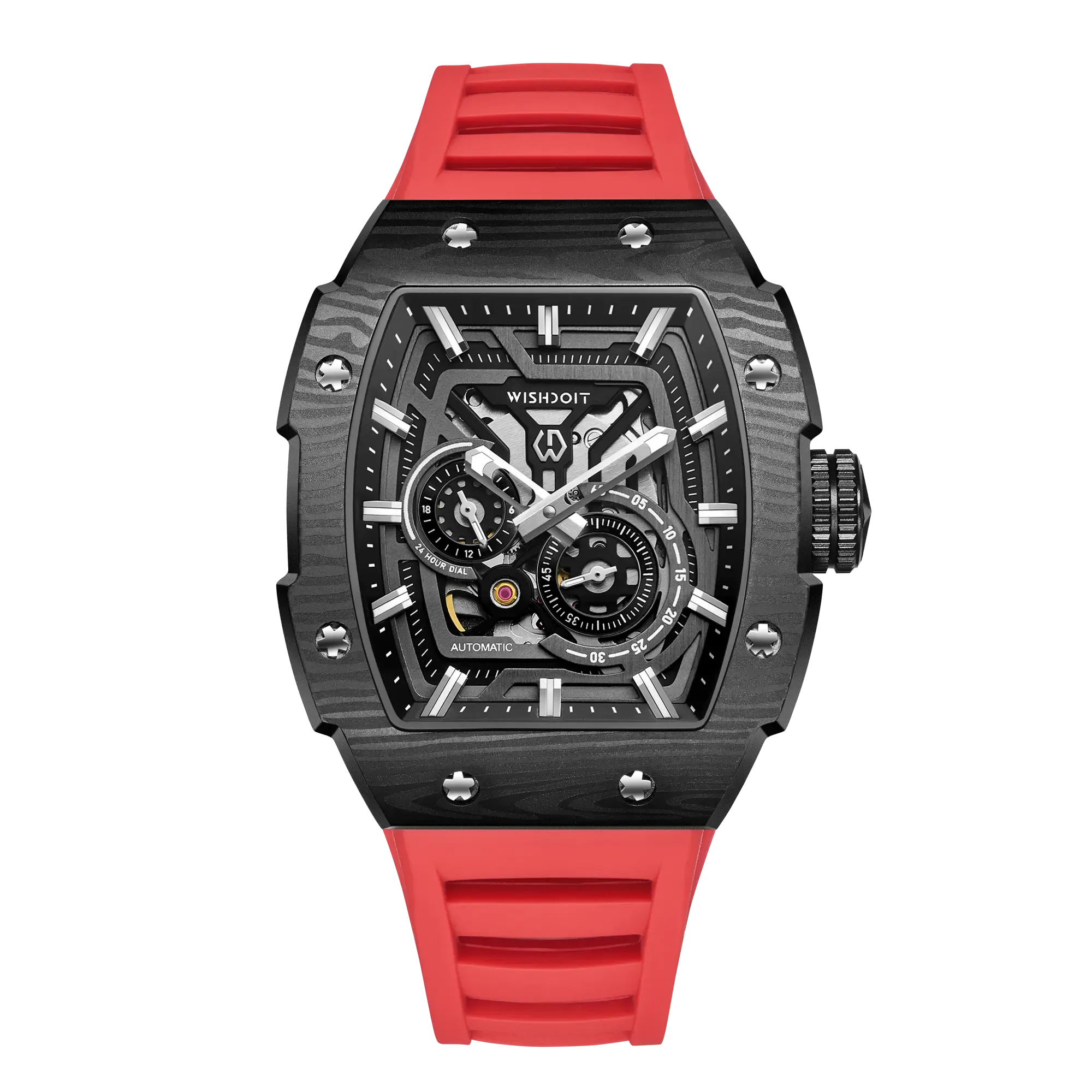
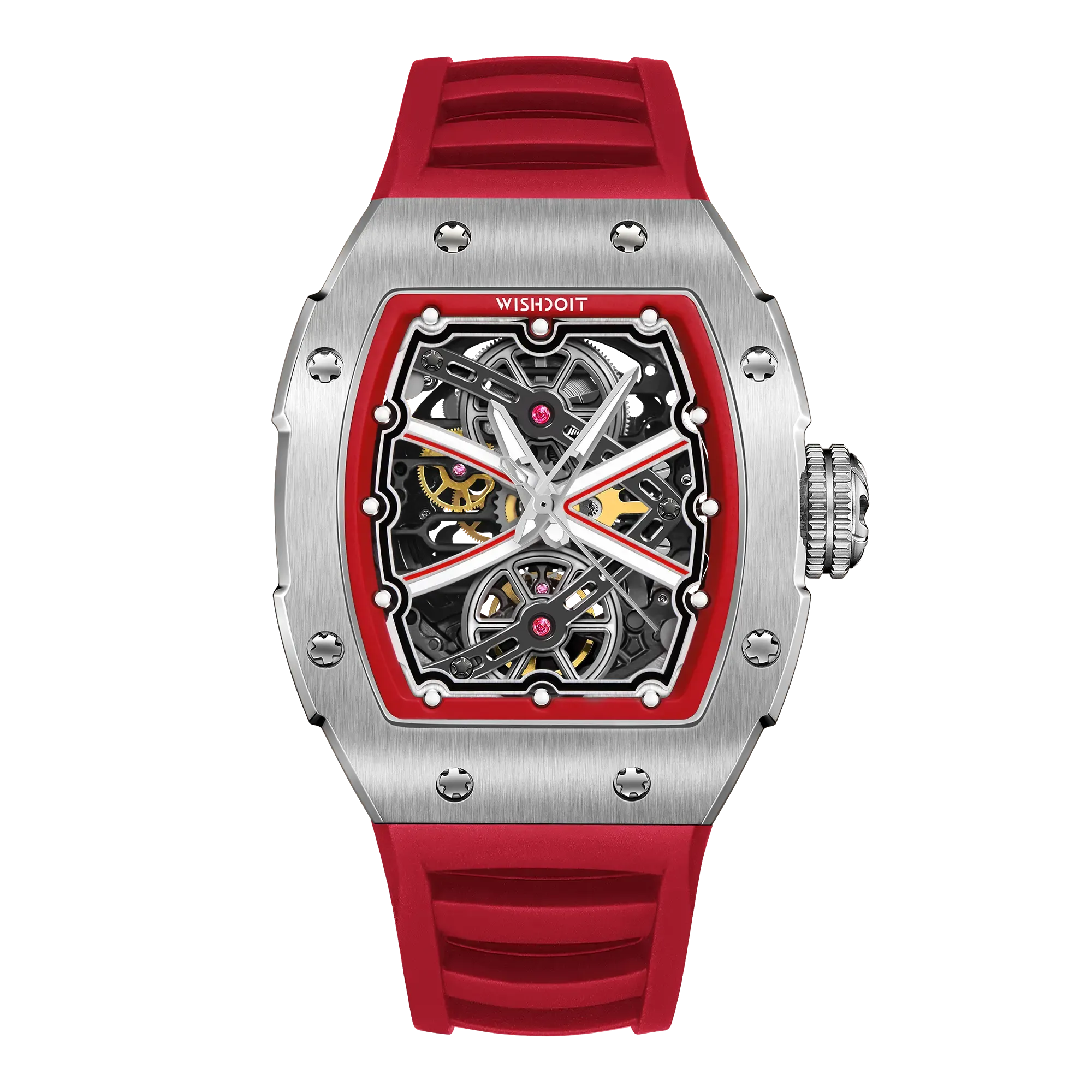
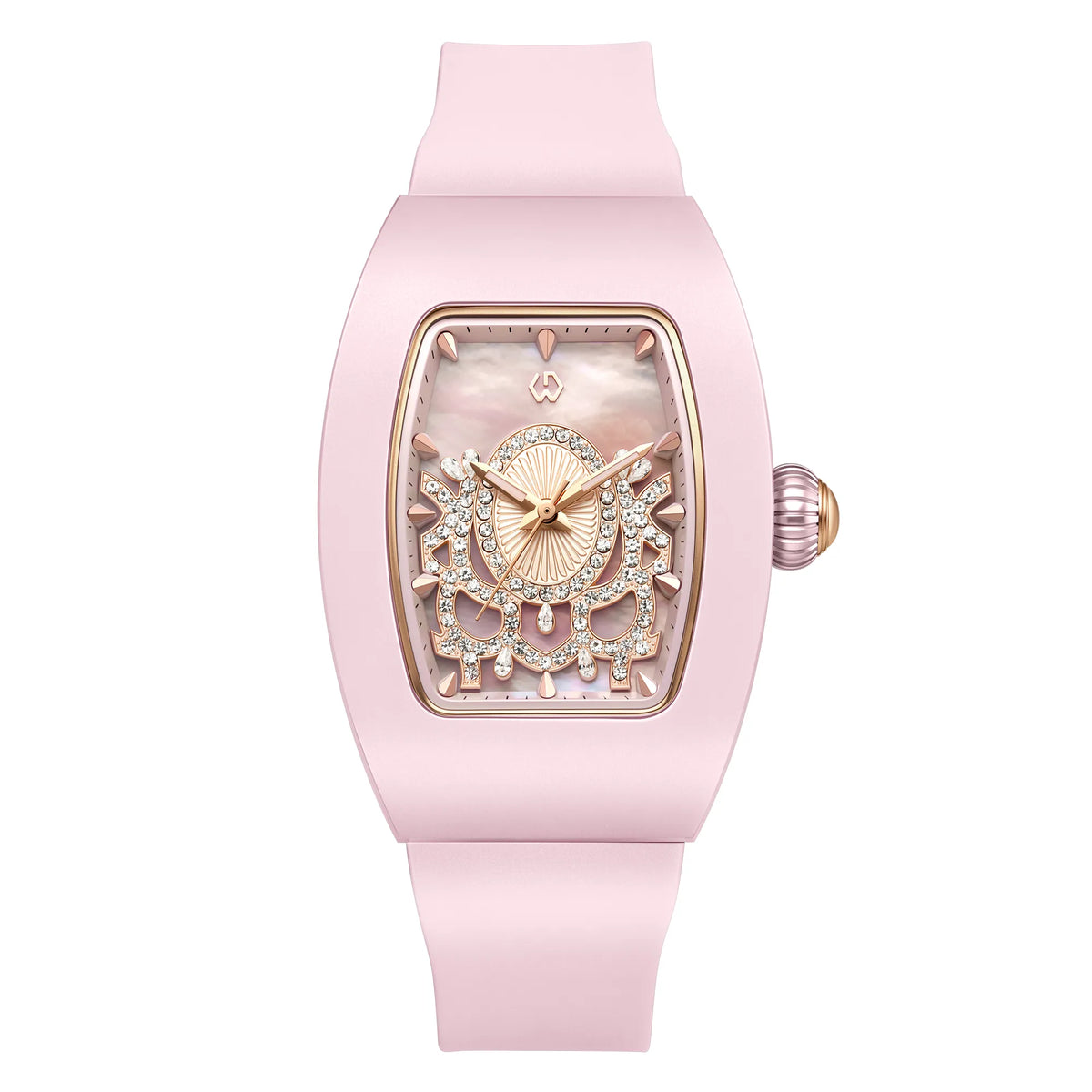
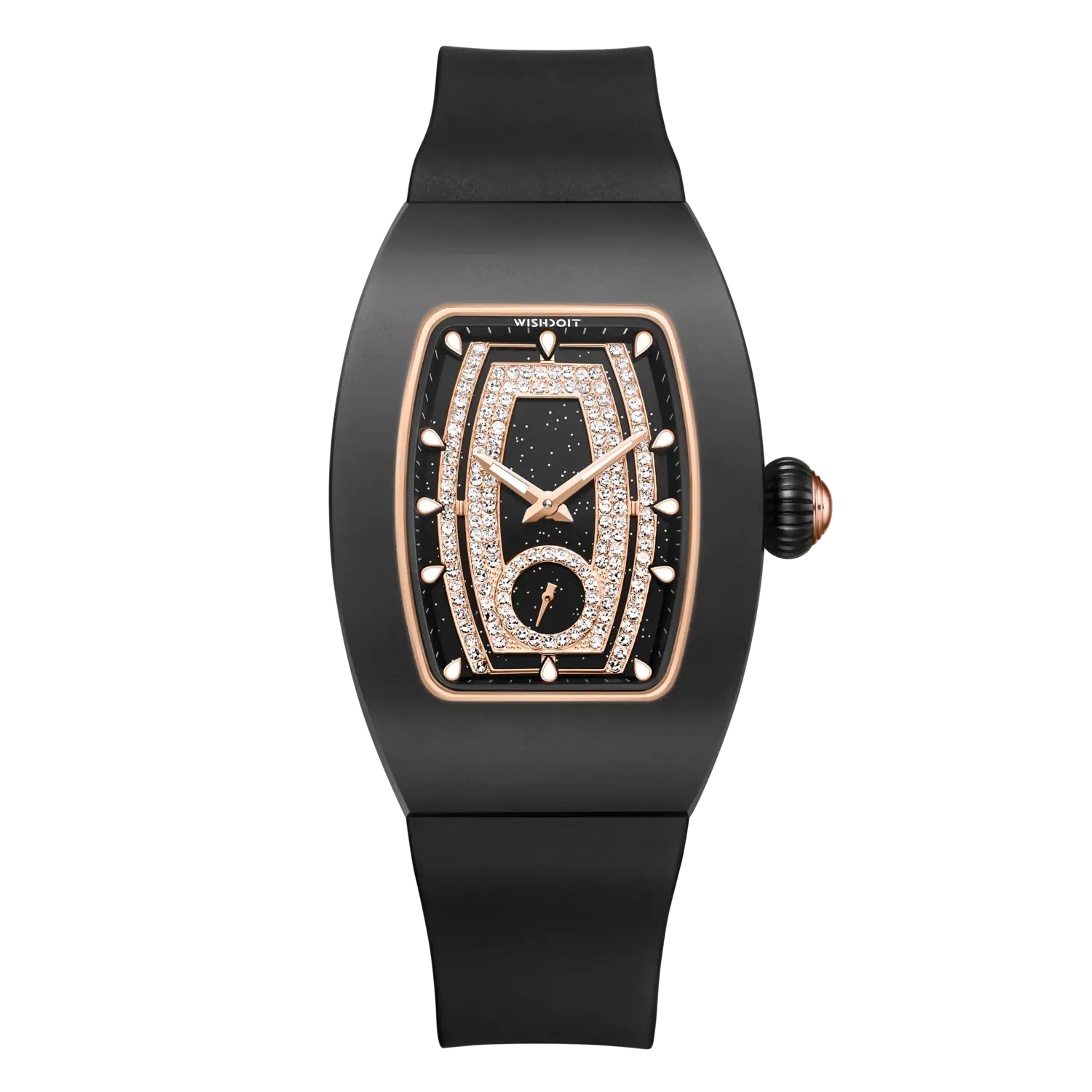
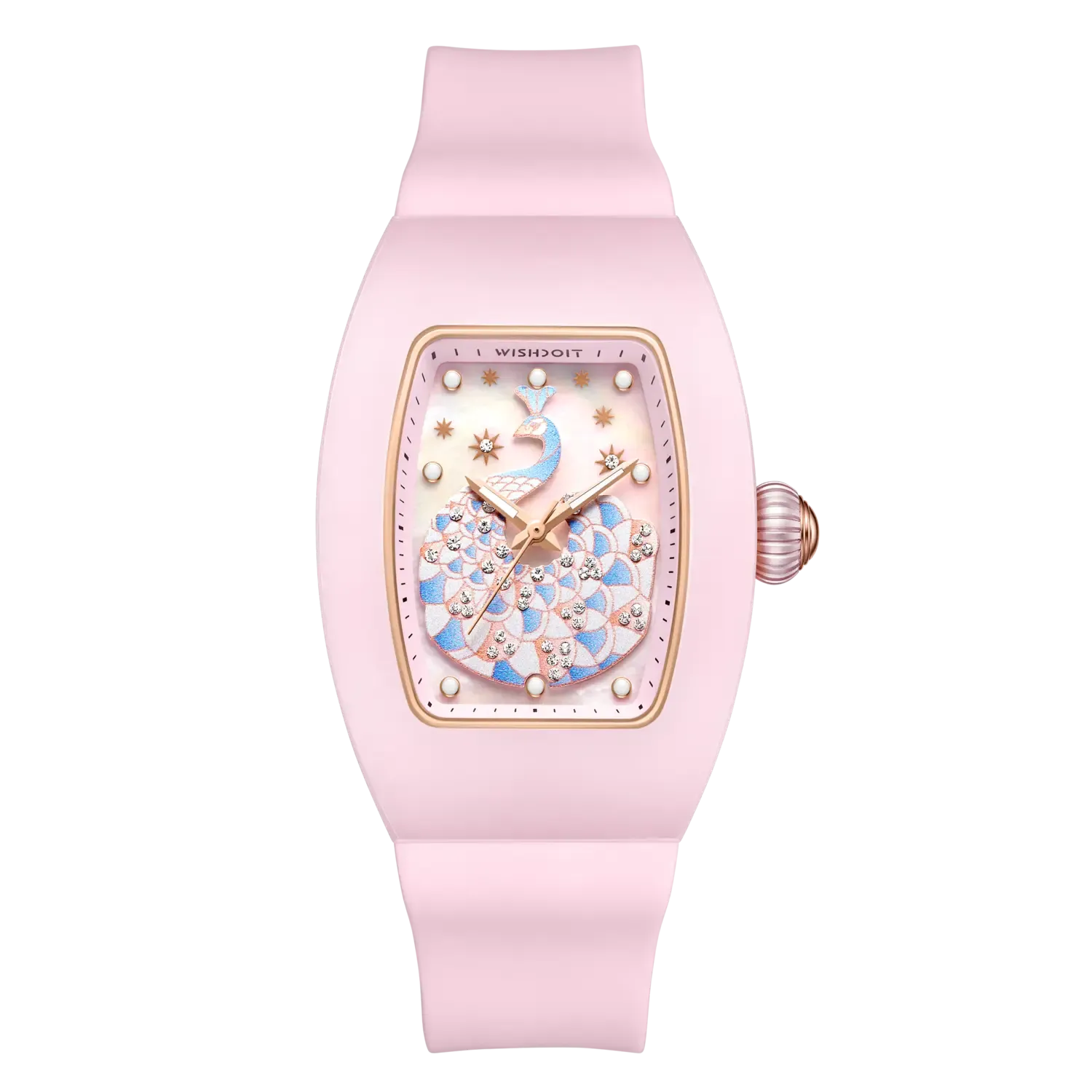
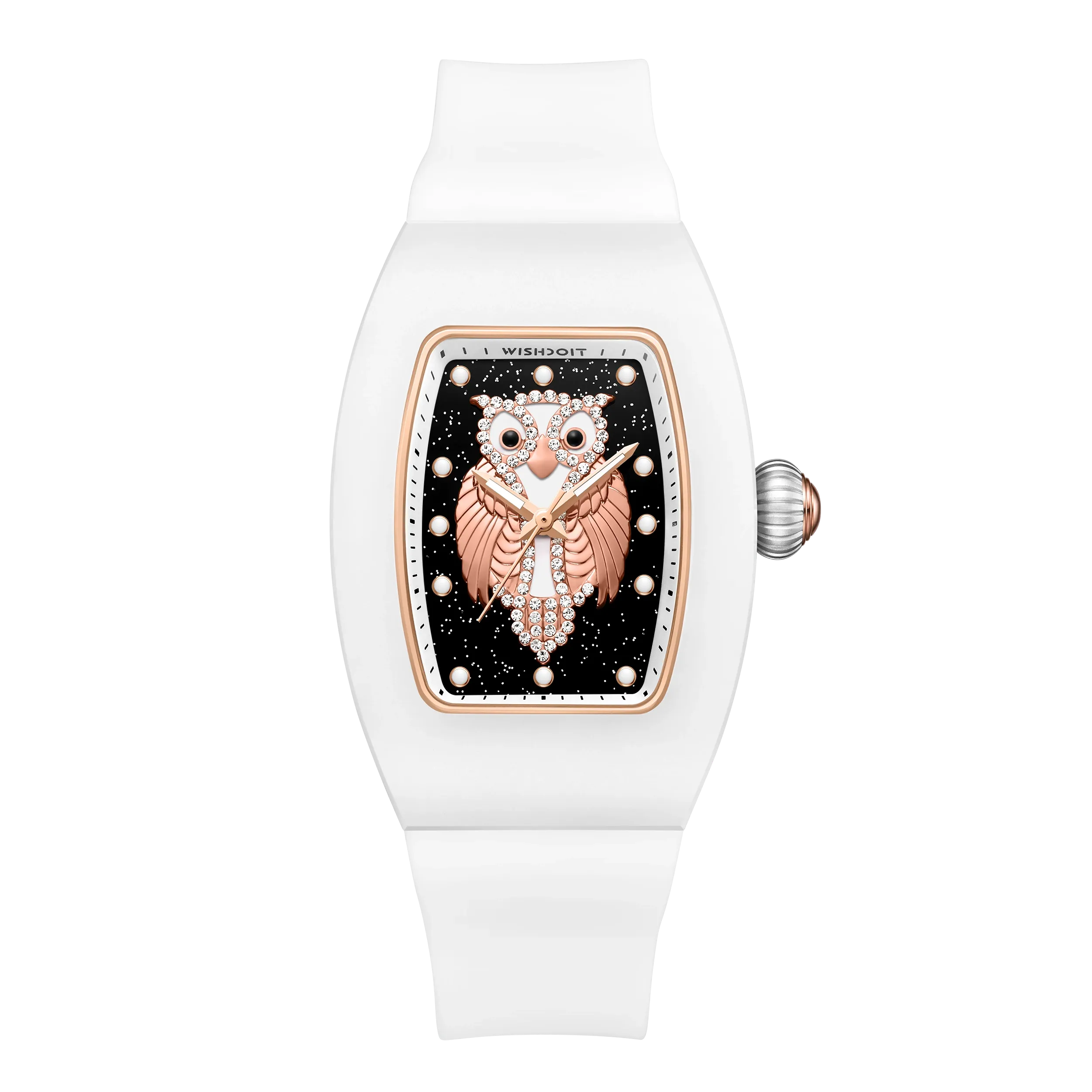
A Tonneau watch means a watch with a barrel-shaped case. Different from traditional round or square cases, Wishdoit Watches exclusively designs tonneau watch for men.
5.Will my automatic watch stop working if I don't wear it?
If not worn, the automatic watch can keep ticking for about 40 hours if fully wound. After this duration, it may stop. To activate it, just wear it again and the watch is ready to go. But in this case, we recommend winding 20 turns by hand, which can make the watch build the power reserve quickly.
6. Does my mechanical watch luminous at night?
Yes, The watch's luminous maintenance time is irradiated with bright light for half an hour, allowing the luminescent material within to absorb enough light energy to allow you to see the time clearly in the dark.
7. Can a mechanical watch touch hot water?
This is absolutely impossible. If you touch hot water, the movement inside will be damaged, and a lot of fog and condensation will be generated.
8. Does an automatic mechanical watch have to be wound?
When you get the watch, you must first wind it 20 to 30 laps to keep it running and running all day. If an automatic watch is worn every day and subject to an average amount of hand motion, it will not need to also be wound manually. However, if you are preparing an automatic watch to be worn again after it has been left in storage for some time, simply shaking and setting it will not suffice. We therefore recommend that you wind the crown of your automatic wristwatch several times to support power supply before wearing it again.
9. What scene is this tonneau watch suitable for?
It can be suitable for banquet or casual scenes, this tonneau mechanical watch is very distinctive and carries its manufacturing inspiration. It's very valuable to wear it wherever you like
Blog posts
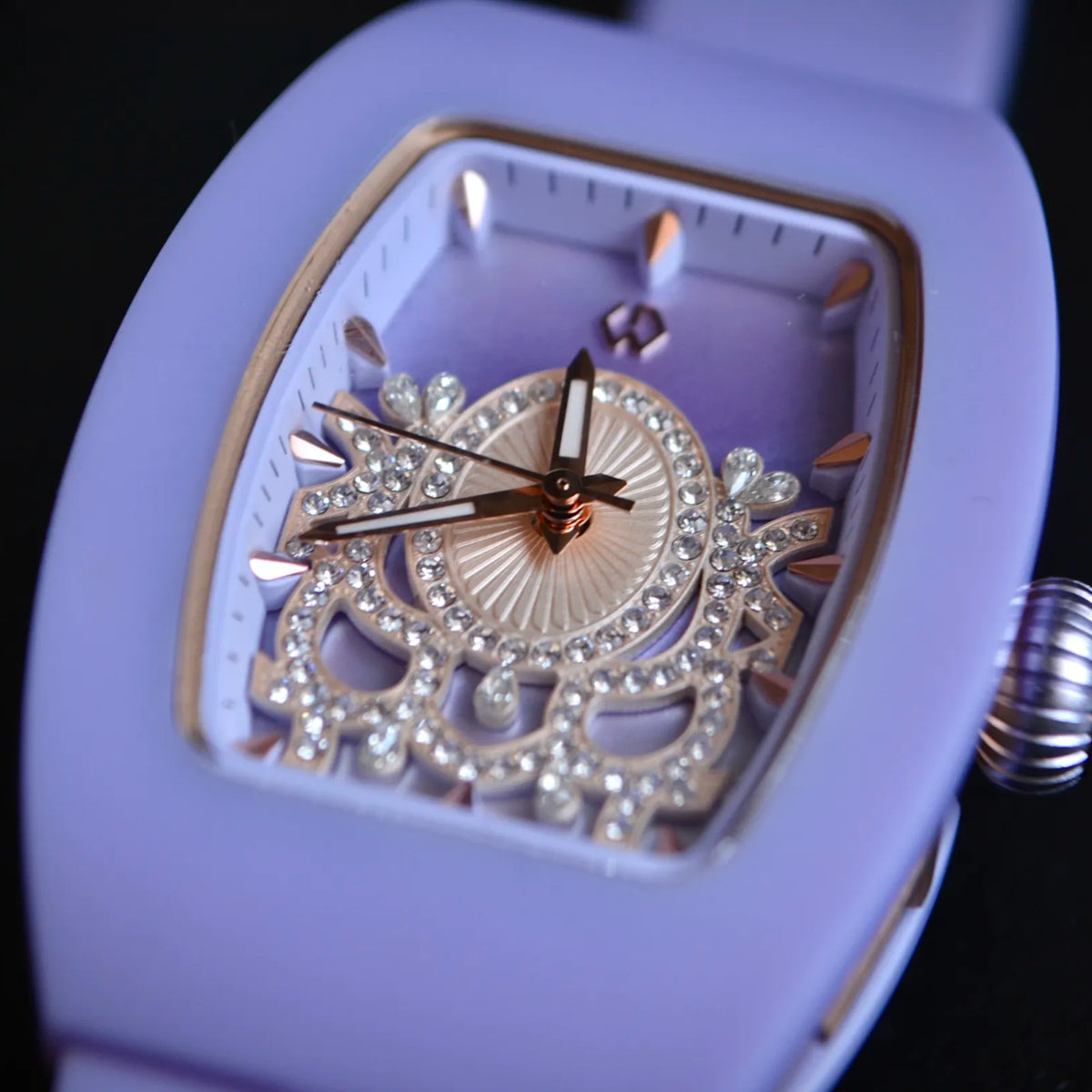
Why Are Jewelry-Inspired Watches Becoming the New Everyday Essential? Meet Pearl Bloom
Discover why jewelry-inspired watches are becoming everyday essentials. Meet Pearl Bloom, a ceramic tonneau watch with natural mother-of-pearl, zircon details, and timeless feminine elegance.
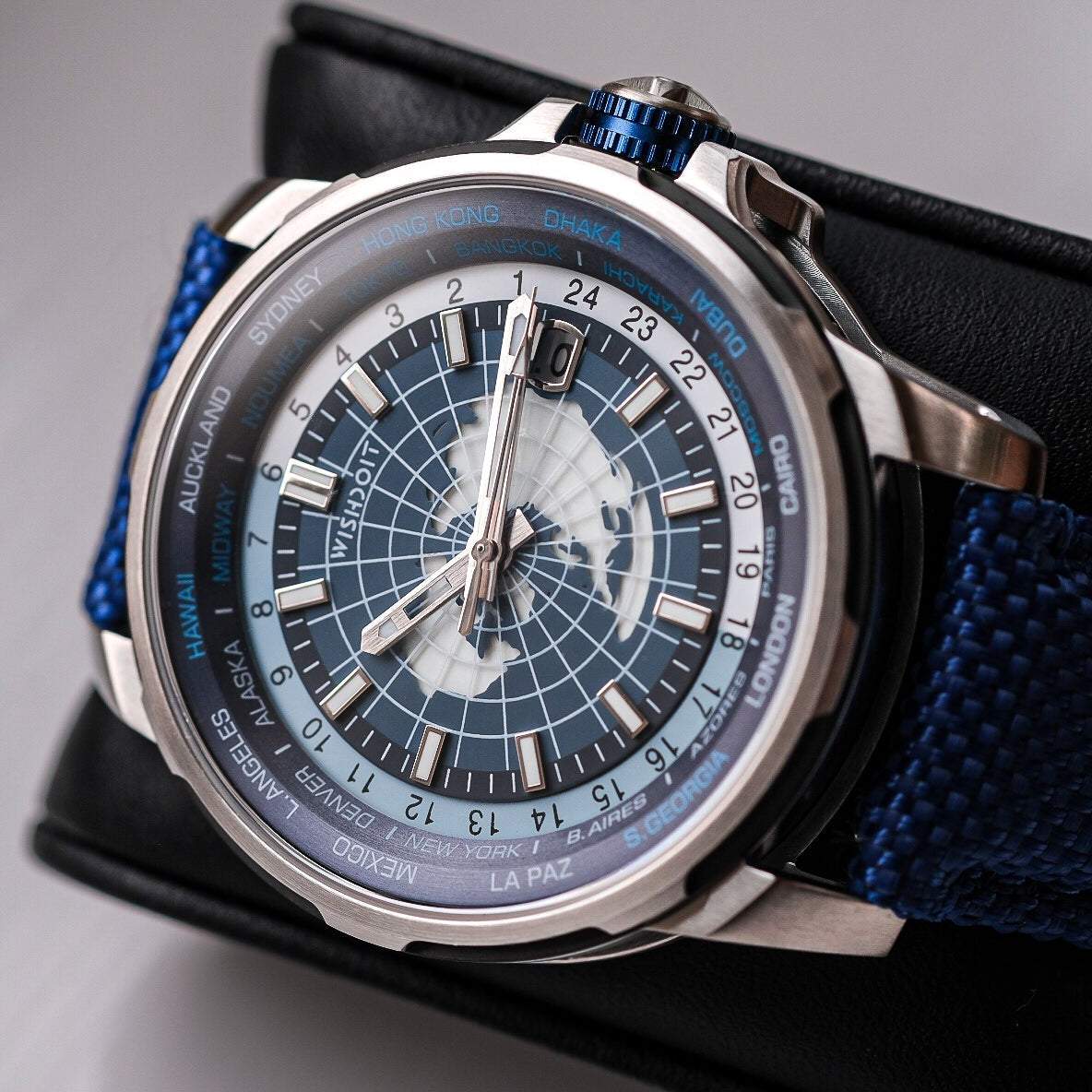
Can Setting the Date Damage Your Watch? The Time Zone 90% of Watch Owners Ignore
Learn when it’s safe to adjust your watch date, why the 9 PM–3 AM danger zone matters, and how to set an automatic watch without stressing its calendar mechanism.
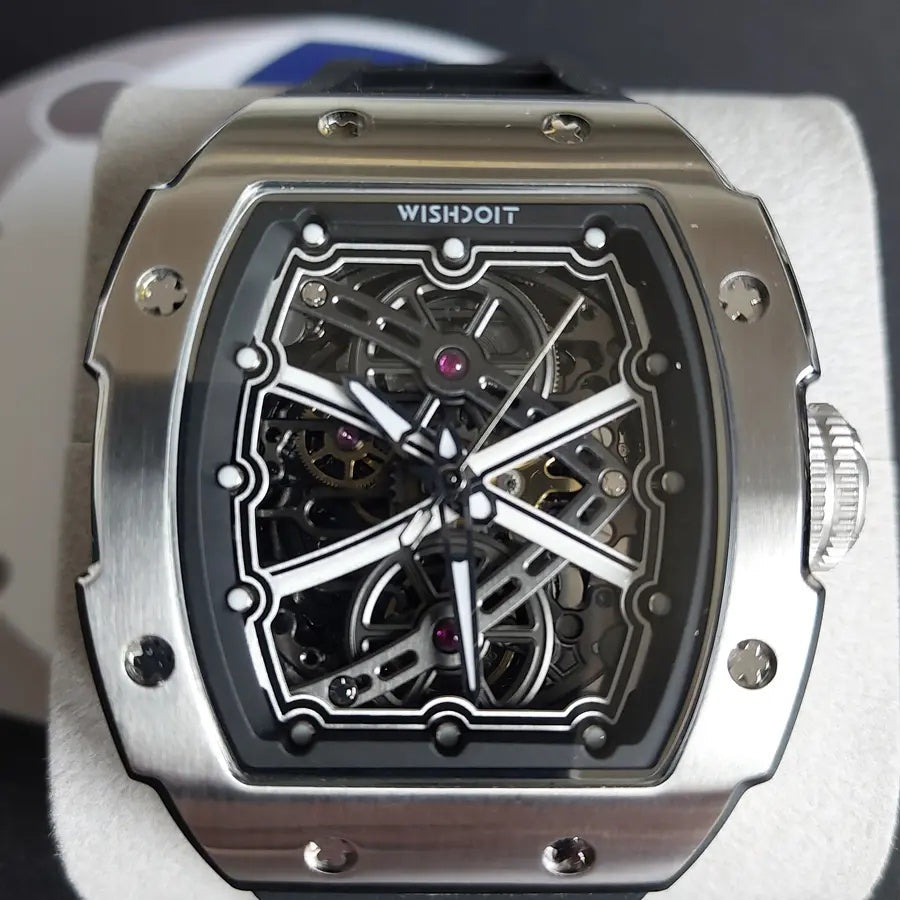
Why Is Your Watch Suddenly Running Slow? 4 Reasons to Check Before You Send It for Repair
Is your mechanical watch suddenly running slow? Learn the four common causes—low power, temperature, magnetism, and aging lubricants—before sending it for repair.