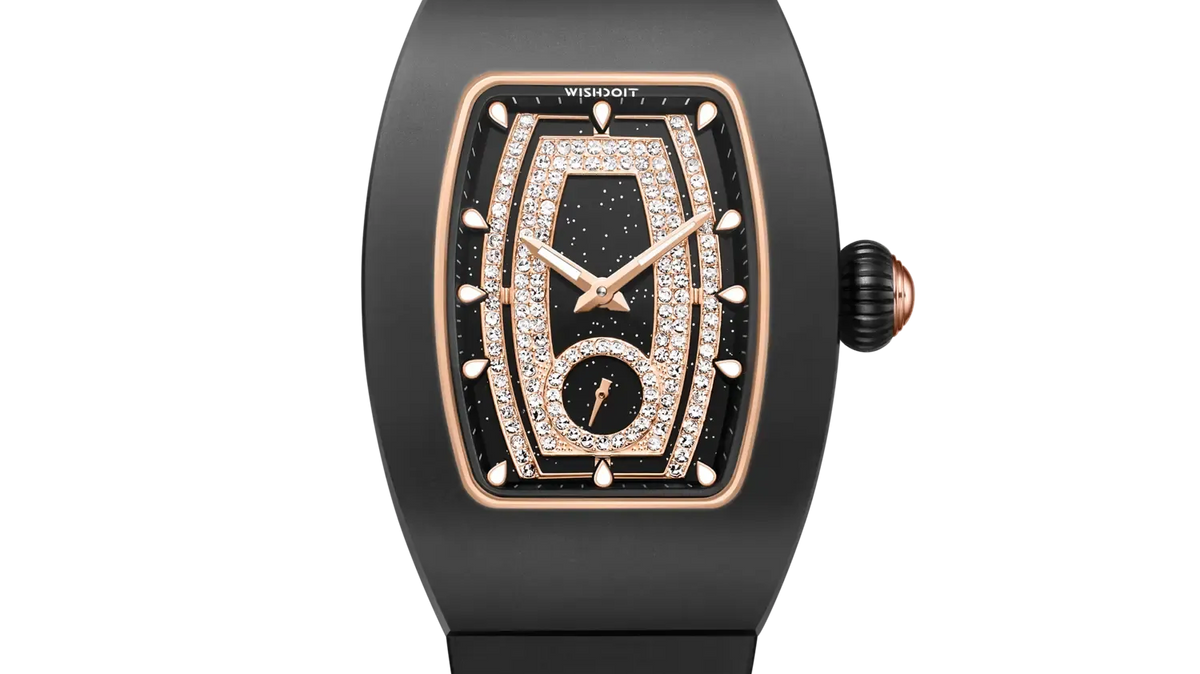


Celestia Ceramic Women’s Watch
$269

A mechanical watch that once kept reliable time suddenly starts running slow. You reset it, wear it for a few days, and notice the same problem again. Is the movement wearing out—or is something else going on?
Before assuming your watch needs an expensive repair, it helps to understand how mechanical accuracy works.
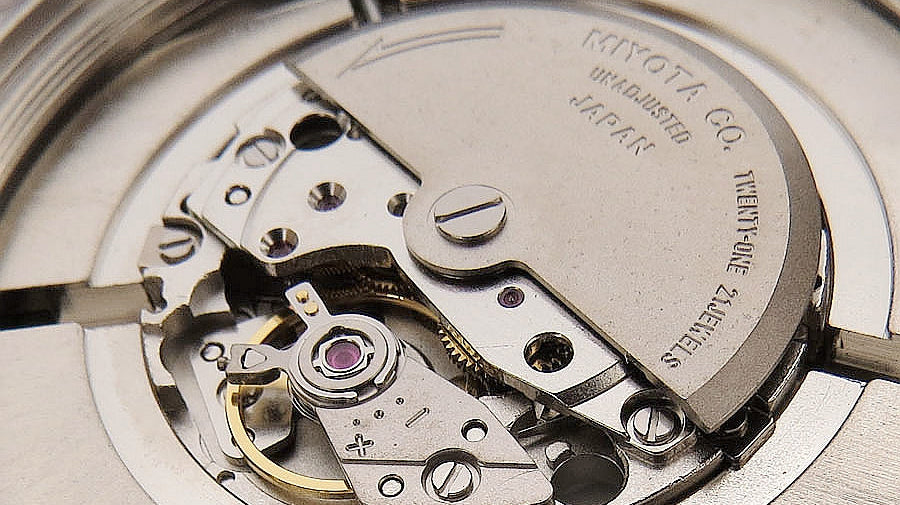
Unlike a quartz watch, a mechanical watch relies on a mainspring, gears, an escapement, and a balance wheel working together. That intricate system is part of its appeal, but it also means daily accuracy can be affected by winding, wearing habits, magnetic fields, and maintenance.
If your mechanical watch seems to be getting less accurate over time, here are five things worth checking first.
The first thing to understand is that mechanical watches are not expected to keep time as precisely as quartz watches.
A quartz movement uses electronic regulation, while a mechanical movement relies on tiny moving components. Even a well-functioning mechanical watch can gain or lose some time each day.
What matters is the pattern.
Small, consistent daily differences: These may be normal for your movement.
A sudden change in accuracy: Check for magnetism, impact, or winding issues.
Increasingly inconsistent timekeeping: The watch may need professional inspection.
Rather than judging accuracy from a single day, compare your watch against a reliable time reference over several days. Record how much time it gains or loses under similar wearing conditions.
This gives you a clearer picture of whether the difference is stable or getting worse.
One of the most overlooked reasons for inconsistent timekeeping is insufficient power reserve.
An automatic mechanical watch uses a rotor that moves with your wrist to wind the mainspring. If you wear the watch for only short periods, spend much of the day sitting still, or leave it unworn for a while, it may not receive enough winding to maintain a healthy power reserve.
As the mainspring unwinds, the force available to drive the movement changes. Depending on the movement's design and condition, this can affect timekeeping.
What to do:
Check the watch's instruction manual for its winding procedure.
If it supports manual winding, wind it as instructed before wearing it.
Wear it consistently for several days and observe its accuracy.
If it repeatedly stops early or remains inaccurate when adequately wound, consider professional inspection.
Remember: an automatic watch stopping after its power reserve runs out is normal. It does not automatically mean the movement is damaged.

Your watch may spend more time around magnetic fields than you realize.
Laptop covers, magnetic phone accessories, speakers, tablet cases, and magnetic bag clasps can all be potential sources of exposure.
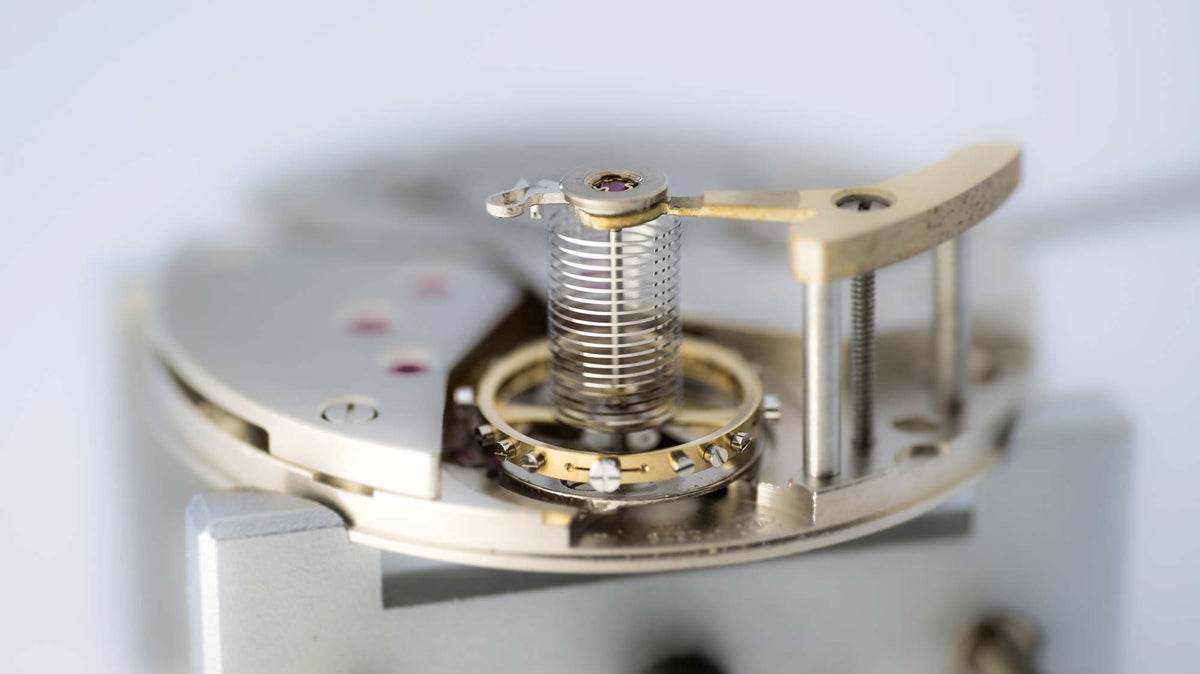
Inside a mechanical movement, the balance wheel and hairspring help regulate the pace of the watch. Magnetism can interfere with the hairspring's behavior, causing the watch to run abnormally—often noticeably faster, though symptoms can vary.
A useful clue is a sudden, unexplained change in accuracy, particularly if your watch previously kept time reasonably consistently.
What should you do?
Avoid placing your watch directly beside strong magnetic sources. If its performance changes suddenly, have a watchmaker check whether it has become magnetized. A professional can test and demagnetize it when necessary.
Don't assume every slow-running watch is magnetized. Magnetism is one possibility, not a universal explanation.
Mechanical watches are precision instruments, and their performance can vary with their environment.
Temperature changes can affect components within the movement. The position in which you leave the watch overnight can also influence its rate. Meanwhile, a hard knock or accidental drop may affect delicate internal parts even if the case and dial look completely normal.
To understand your watch's behavior, try a simple routine:
Compare its timekeeping over several days.
Keep track of whether you wear it throughout the day or leave it unworn.
Note any sudden changes after an impact or unusual exposure.
Store it consistently overnight and observe whether the daily rate changes.
These observations won't diagnose a mechanical fault, but they can help a watchmaker identify the cause more efficiently.
If your watch has gradually become less accurate over months or years, internal wear or aging lubricants may be contributing factors.
Mechanical movements contain numerous components that operate under continuous friction. Lubrication helps reduce wear and allows these parts to move as intended. Over time, lubricants can deteriorate, become displaced, or lose effectiveness.
Other issues—such as a damaged component, an adjustment problem, or a previous impact—can also affect performance.
If your watch continues to lose substantial time despite proper winding and careful wear, don't keep trying random adjustments. A qualified watchmaker can check its rate, inspect the movement, and determine whether regulation or servicing is appropriate.
Service intervals depend on the movement, usage, and manufacturer's guidance, so there is no single schedule that fits every mechanical watch.
Use this quick checklist to decide what to do next.
| What you notice | What to check first |
|---|---|
| It loses a small, consistent amount of time | Compare the daily rate with the movement's specifications |
| It stops after being left unworn | Check the power reserve and winding procedure |
| It suddenly starts gaining or losing much more time | Consider magnetism or impact and arrange a check if it persists |
| Its accuracy changes noticeably with position | Record the differences and consult a watchmaker |
| It becomes progressively less accurate over time | Ask about regulation, lubrication, and servicing |
The key is not to panic over every lost second—but not to ignore a significant change either.

Understanding accuracy is also part of choosing the right mechanical watch. A thoughtful purchase should consider more than appearance or the movement name printed on the dial.
Look at the movement specifications, power reserve, case construction, crystal material, design, and the level of maintenance you're comfortable with. A mechanical watch is not maintenance-free, and no movement should be judged by a single day's timekeeping alone.
At WISHDOIT, the automatic collection brings together mechanical movements and distinctive designs for people who appreciate both the engineering and the visual character of a watch.
A few styles worth exploring include:
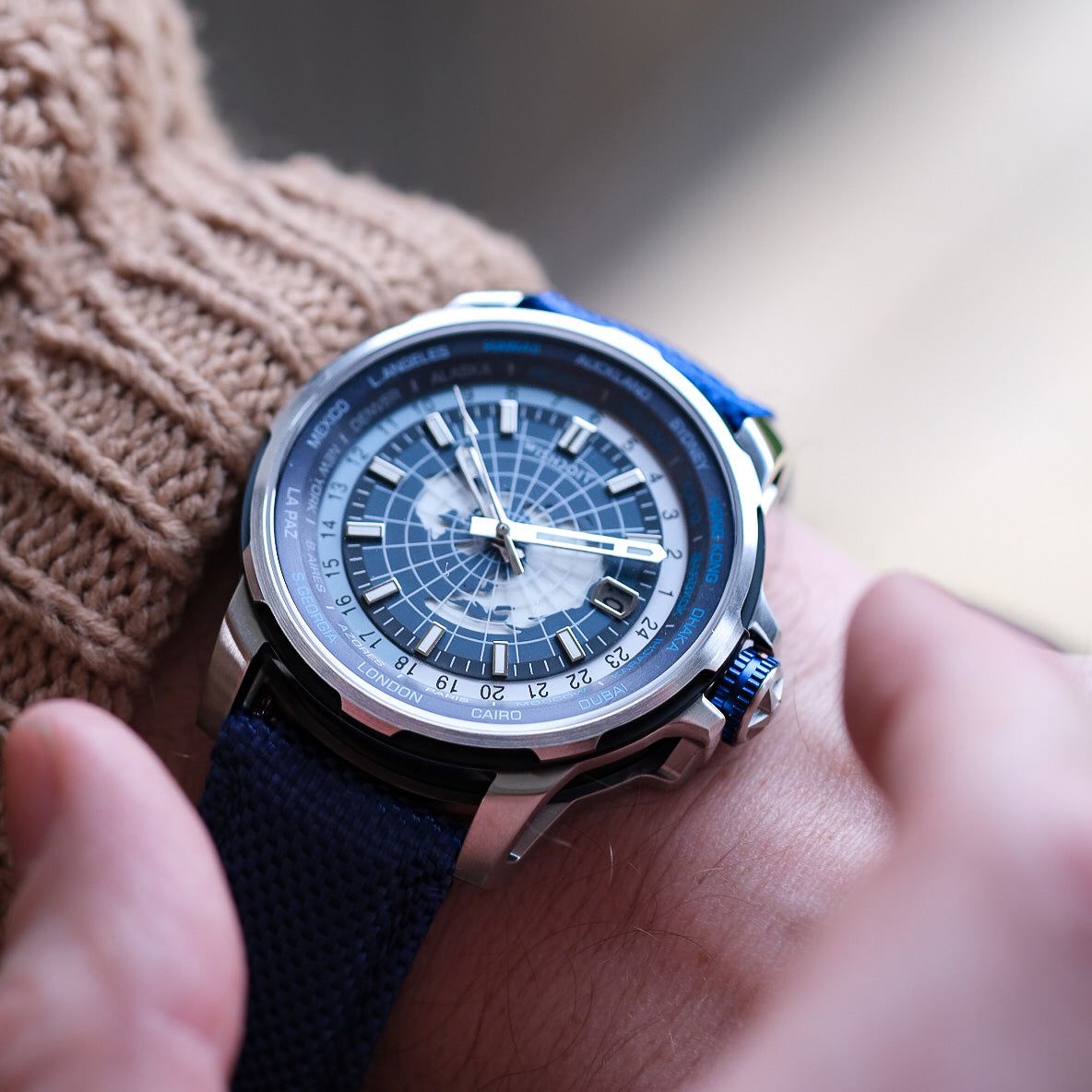
Designed for people who want a practical complication with a strong visual identity, the ETERNAL EARTH GMT combines an automatic mechanical movement with a world-map-inspired dial and a second-time-zone display.
It's worth considering if you want your mechanical watch to offer more than basic timekeeping.
For those who enjoy seeing how a watch works, the Aerial Prism features an open skeleton design that puts the movement's mechanical character on display. Its tonneau-shaped case gives it a more architectural look than a conventional round watch.
The Full Speed combines a tonneau case with an open mechanical dial for a bold, contemporary appearance. It's an option for buyers who want the visual interest of a skeleton movement in a distinctive case shape.
Explore the WISHDOIT automatic mechanical watch collection or browse the full WISHDOIT watch collectionwatch maintenance to compare styles and specifications before choosing your next timepiece.
A mechanical watch running slow does not necessarily mean it is broken. Small daily deviations may be normal, while insufficient winding, magnetic exposure, environmental changes, or aging components can all affect accuracy.
Start by tracking the daily rate and checking your wearing and winding habits. If the change is sudden, substantial, or persistent, seek a professional assessment instead of assuming the cause.
The appeal of a mechanical watch lies in more than precise timekeeping. It's the visible engineering, the interaction of moving parts, and the experience of wearing a machine powered by motion. Understanding how to care for it helps you appreciate that experience for longer.
A good mechanical watch deserves informed ownership—not guesswork.
You'll also like
Beyond the Wrist: 3 Unexpected Ways a Watch Can Define Your Signature Style
ETERNAL EARTH GMT Mechanical Watch: A Timepiece Inspired by the World We Explore
Watch Crown Care 101: Protect Your Watch’s Tiny but Mighty Control Center