
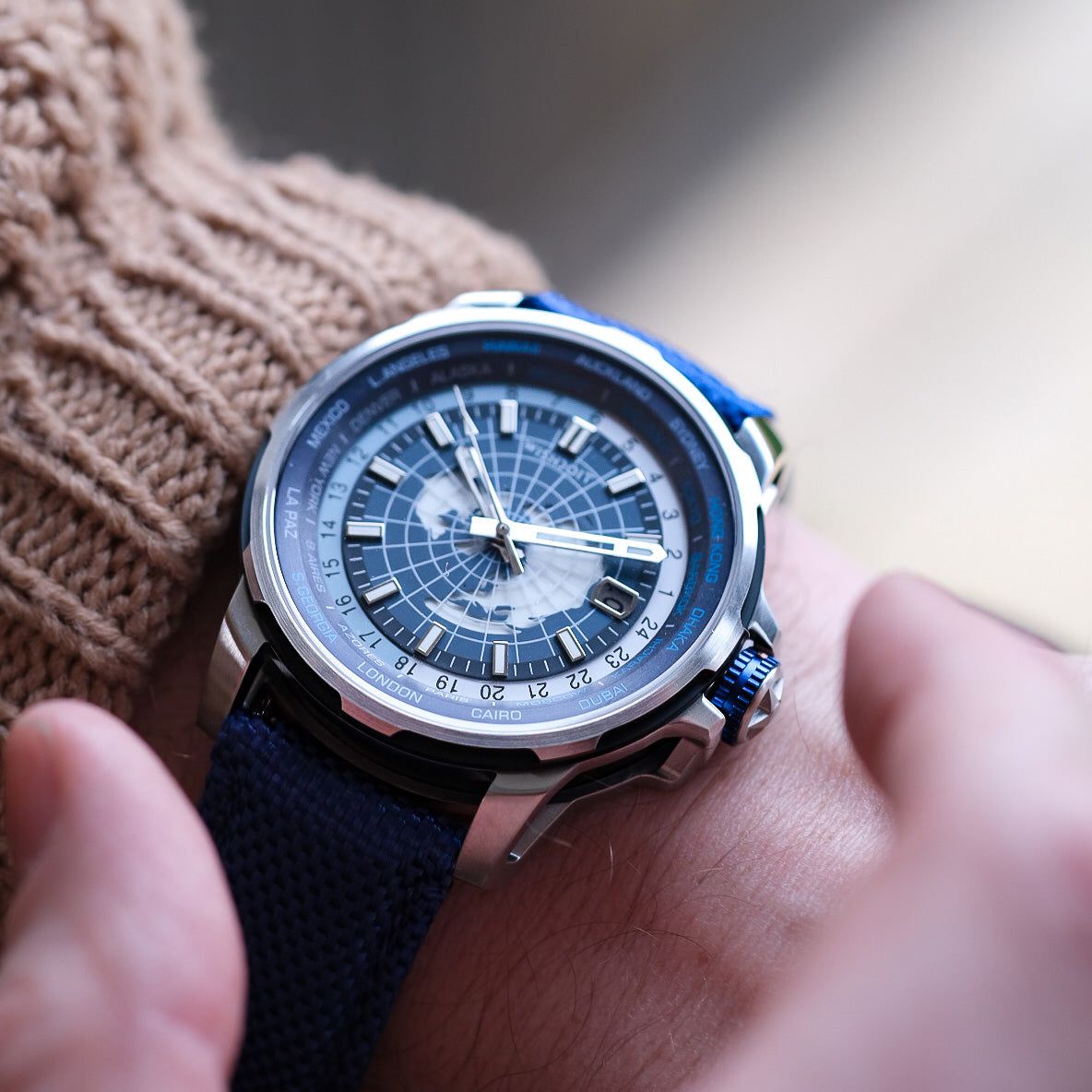


Many watch owners think, "If it keeps good time, why bother repairing it?" This sounds reasonable. Why fix something that's not broken? But in the world of watches, this idea is a trap. Waiting until your watch actually breaks down before seeking help is one of the most costly mistakes you can make.
Here's why regular checks (not just emergency repairs) are a wiser and more economical option.
The "It Was Running Fine Yesterday" Myth
Mechanical watches don't fail like light bulbs. They don't simply work perfectly one moment and stop the next. Failure is a slow, creeping process:
-
Lubricants gradually thicken or dry out
-
Friction slowly increases
-
Amplitude (the balance wheel's swing) steadily decreases
-
Timekeeping drifts imperceptibly day by day
By the time you notice a problem—stopping altogether, running wildly inaccurate—the damage isn't new. It's been building for months or years.

The Snowball Effect of Neglect
Here's what happens inside an unserviced watch:
A single dry bearing creates extra friction. That friction wears down a gear pivot. Metal particles from that wear contaminate surrounding lubricant. Contaminated lubricant becomes abrasive paste. That paste wears other components. Now one small issue has multiplied into a movement-wide problem.
What could have been a simple clean-and-oil becomes a full rebuild with replacement parts.
Translation: A $100 service turns into a $400 repair because you waited.
The Case for Regular Inspections
Think of it like dental checkups. You don't wait for a toothache to see the dentist. You go regularly to prevent the ache.
A professional watch inspection typically includes:
-
Checking timekeeping accuracy in multiple positions
-
Measuring amplitude on a timing machine
-
Examining case seals and gaskets
-
Assessing crown and stem function
-
Visual inspection for wear or damage
This takes minutes for a skilled watchmaker. And it catches problems while they're still problems, not crises.
The 3-Year Checkup Rule
Most manufacturers recommend full servicing every 3-5 years. But a simpler inspection at the 3-year mark makes brilliant sense:
-
Lubricants are still fresh enough to protect
-
Any developing issues are caught early
-
Water resistance can be verified before seals fully degrade
-
You maintain a relationship with your watchmaker
A mid-cycle inspection costs a fraction of a full service. It's insurance against the much larger bill waiting down the road.

What About Quartz Watches?
Battery changes aren't just about power. Every time you open a quartz watch for a battery replacement, it's an opportunity:
-
Inspect gaskets while the case is open
-
Test water resistance before seals fail completely
-
Clean any corrosion before it spreads
Waiting until the battery leaks inside the movement turns a $10 battery change into a $150 movement replacement. Ask any watchmaker about the watches they've seen destroyed by a forgotten, leaking battery.
The Peace of Mind Factor
Beyond money, regular inspections buy you something priceless: confidence.
You wear your watch without that nagging thought: "Is it running slow? Should I have it checked?" You hand it to your child someday knowing it was maintained, not neglected. You experience your watch as it was designed to be experienced—accurate, reliable, and ready.
A Simple Analogy
You change your car's oil regularly, not because the engine has already failed, but to prevent it from failing. You don't wait for the "check engine" light to appear before opening the hood.
Your watch deserves the same respect. Its engine runs continuously, 24 hours a day, 365 days a year. The least you can do is glance under the hood occasionally.
The Bottom Line
Waiting for a breakdown isn't patience. It's negligence disguised as practicality. A watch that stops isn't announcing a problem—it's announcing the result of a problem that's been growing unnoticed.
Regular inspections cost a little time and a little money. Breakdowns cost both, plus the heartbreak of a compromised timepiece.
Schedule the inspection. Skip the breakdown. Your watch—and your wallet—will thank you.
You'll also like
The Art of Watch Design: Exploring the Most Iconic Watch Shapes
Why do watch hands get stuck? Common causes and simple solutions
Broken Watch? Here's Exactly What to Do Next (Must-Know Tips)