
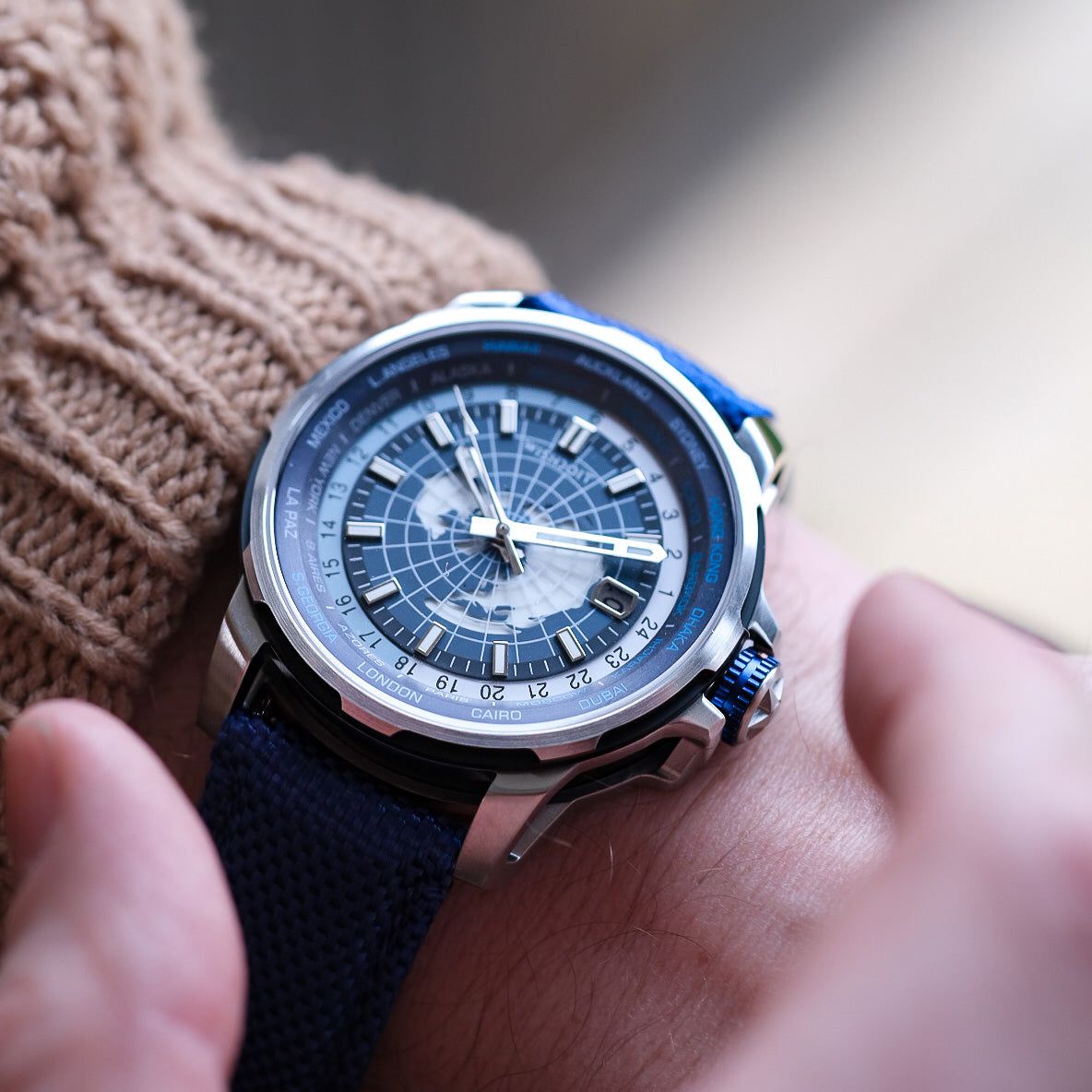


Finding the watch—the one that feels less like an accessory and more like an extension of yourself—is a journey. It's not about chasing trends or impressing others. It's about discovering a timepiece that resonates with your identity, your lifestyle, and your story.
Here is a 10-step framework to guide you from curious browser to confident owner of a watch that is unmistakably you.
Step 1: Define Your "Why"
Before scrolling through endless dials, pause. Ask yourself: Why do I want a watch?
-
Is it for daily utility?
-
To mark a milestone?
-
To appreciate mechanical artistry?
-
To complete a professional look?
Your "why" is your compass. A tool for adventure serves a different purpose than a memento for a promotion. Be honest about what you're seeking.

Step 2: Audit Your Lifestyle
A signature watch must live in your world, not a display case. Consider:
-
Work environment: Suit and tie? Creative casual? Hands-on labor?
-
Daily activities: Desk-bound? Outdoors? Travel-heavy?
-
Social settings: Formal events? Weekend adventures? Gym sessions?
Your watch should enhance your life, not hide from it. A diver on a surfer makes sense. A dress watch on a pilot? Less so.
Step 3: Explore Case Shapes
The case shape defines a watch's personality. Spend time with each:
-
Round: Timeless, universal, safe
-
Cushion: Sporty, retro, substantial
-
Square/Rectangular: Artistic, dressy, unconventional
Try photos on your wrist. Notice which shapes your eye returns to.
Step 4: Understand Size and Fit
Specs lie. A 43mm watch wears differently depending on lug design. Focus on:
-
Lug-to-lug distance: This determines how it sits on your wrist
-
Thickness: Will it slide under your shirt cuff?
-
Weight: Do you notice it (in a good way) or feel burdened?
The perfect size disappears on your wrist while remaining unmistakably present.

Step 5: Decode the Dial
The dial is the face you'll greet daily. Consider:
-
Color: Neutrals for versatility, bold hues for statement
-
Texture: Sunburst, matte, skeleton, enamel
-
Markers: Numerals, indices, mixed
-
Complications: Date, GMT, chronograph—what do you actually need?
A cluttered dial frustrates. A bare dial bores. Find your balance.
Step 6: Choose Your Movement Philosophy
This is about your relationship with time:
-
Automatic: Wear it and wind it. A living thing on your wrist.
-
Manual-wind: Touch it daily. Intentional connection.
None is superior. Only right for you matters.
Step 7: Consider Materials Thoughtfully
Materials affect feel, durability, and aging:
-
Case: Stainless steel (classic), titanium (lightweight), ceramic (scratch-proof)
-
Crystal: Acrylic (vintage warmth), mineral (value), sapphire (ultimate clarity)
-
Strap: Leather (elegance), bracelet (versatility), rubber (utility), NATO (casual)
Choose materials that match how you'll actually wear the watch.
Step 8: Establish Your Budget Realistically
A signature watch doesn't require a second mortgage. Define:
-
What you're comfortable spending now
-
What you're willing to save for later
-
Where you prioritize value (movement? design? brand?)
Remember: price and personal connection rarely correlate perfectly.
Step 9: Try Before You Commit
Specs and photos can't replace wrist time. Visit shops. Attend meetups. Borrow from friends. Notice:
-
How it feels after an hour
-
How light catches the dial
-
Whether you keep glancing at it (a very good sign)
Your gut knows before your spreadsheet does.
Step 10: Listen for the Click
When you've found it, you'll know. Not because it's perfect on paper, but because:
-
It makes you smile when you check the time
-
You find excuses to wear it
-
It feels like yours from the first moment
That's the click. That's your signature watch.
The Final Truth
A signature watch isn't discovered through specifications alone. It emerges at the intersection of self-awareness, exploration, and honest reflection. It's the watch that tells your story—not just the hour, but the chapter.
Take your time. Enjoy the search. And when you find it, wear it like you mean it.
Because the right watch doesn't just mark time. It marks you.
You'll also like
Dead Quartz Watch? Here’s How to Diagnose and Revive It
How Long Does a Wound Watch Last? Understanding Power Reserve
Watch Time Adjustment Taboo: Why You Should Never Change the Date Between 9 PM and 3 AM