
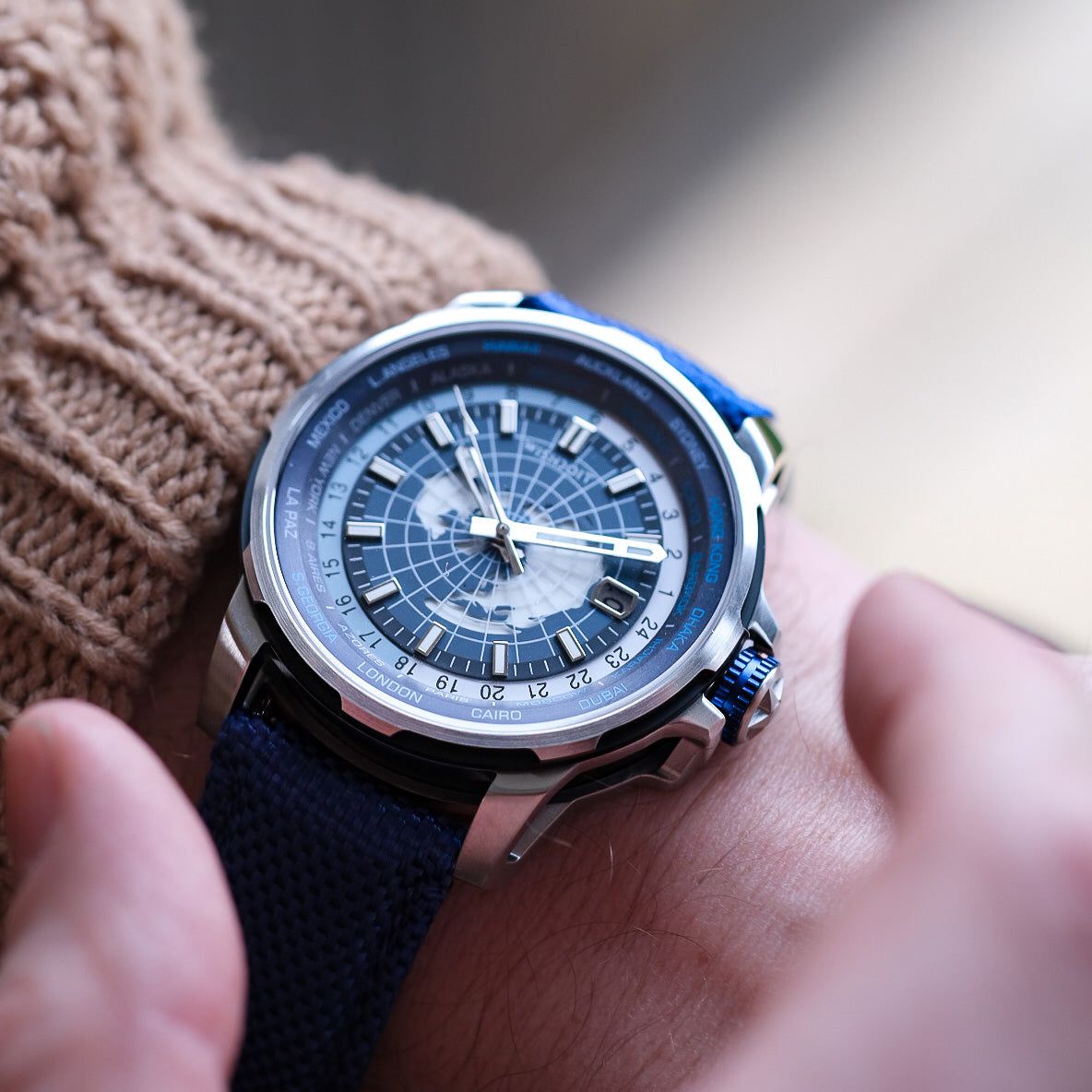


For decades, the watch world has been divided by a simple question: East or West? Japanese engineering versus Swiss craftsmanship. Seiko’s “magic” versus Swiss precision. It’s a debate that fuels forums, shapes buying decisions, and defines entire brands.
But here’s the truth: there is no single “better” movement. There is only the right movement for the watch, the price point, and the wearer. Let’s break down the technical battle and see where each side truly shines—and where a brand like Wishdoit watches fits into this horological rivalry.
The Swiss Philosophy: Precision and Prestige
Swiss movements, led by workhorses like the ETA 2824-2 and its modern successor, the Sellita SW200, are built around a philosophy of fine craftsmanship and tight tolerances.
These calibers typically beat at 28,800 vibrations per hour (vph) , delivering that smooth, sweeping seconds hand that enthusiasts adore. They are designed for regulation—with grades ranging from Standard (±12 sec/day) all the way to COSC-certified Chronometer (−4/+6 sec/day).
The Swiss advantage isn’t just about accuracy on paper; it’s about consistency and finishing. The bridges are decorated with Geneva stripes, the plates feature perlage, and the components are built to be serviced for generations. This is the movement of luxury heritage.
The Catch? Cost and availability. A Swiss movement can be 2–4× the price of its Japanese equivalent, and lead times can stretch to 3–8 months due to high demand and allocation restrictions.

The Japanese Magic: Reliability and Value
On the other side of the ring sits Seiko and its Japanese counterparts (Miyota, Citizen). Here, the philosophy isn’t about decoration—it’s about functional engineering and industrial reliability.
Movements like the Seiko NH35 (or its 4R/6R siblings) and the Miyota 9000 series are the backbone of the modern microbrand revolution. They are built for volume, consistency, and toughness.
-
Seiko’s “Magic” often refers to its Diashock anti-shock technology and the legendary durability of its movements.
-
The NH35, for example, offers a 42-hour power reserve, 21,600 vph beat rate, and is famously tolerant of rough handling.
-
While factory accuracy might range from −20/+40 sec/day for some calibers, in practice, many run much better—and they are far easier to source and cheaper to replace than Swiss alternatives.
For tool watches, divers, and everyday beaters, Japanese movements are often the preferred choice precisely because they are “reliable workhorses”.
The Technical Face-Off
Where Does Wishdoit Watches Fit In?
This is where the story gets interesting. A brand like Wishdoit doesn’t have to pick a side in this showdown—it leverages the best of both worlds.
For collectors who value the craftsmanship and sweeping precision of a Swiss-style architecture, Wishdoit offers watches powered by movements like the PT5000—a caliber that is a near-perfect drop-in clone of the ETA 2824-2, beating at 28,800 vph with full serviceability.
For those who value unshakeable durability and low maintenance, Wishdoit watches also utilize the legendary Seiko NH35 movement—the same caliber trusted by microbrands worldwide for its ruggedness and reliability.
By carefully selecting movements for specific models—whether it’s a sophisticated dress watch or a 15ATM diver—Wishdoit watches allow you to enjoy the “magic” of Japan or the “precision” of Switzerland without the traditional price barrier.

The Final Verdict
Seiko’s magic is in its robustness and accessibility. Swiss precision is in its refinement and heritage. Neither is objectively superior; they simply serve different purposes.
The true “ultimate movement” is the one that fits your lifestyle. And with Wishdoit, you don’t have to compromise—you can choose the soul that suits your wrist.
You'll also like
The End of Steel? How Forged Carbon, Ceramic, and Titanium Are Redefining Luxury Watches
Which Mechanical Watch Is the Best Entry-Level Choice with a Budget Under $500?
Sharp Angles, Smooth Movement: The Geometric Dial Meets PT5000 Precision