
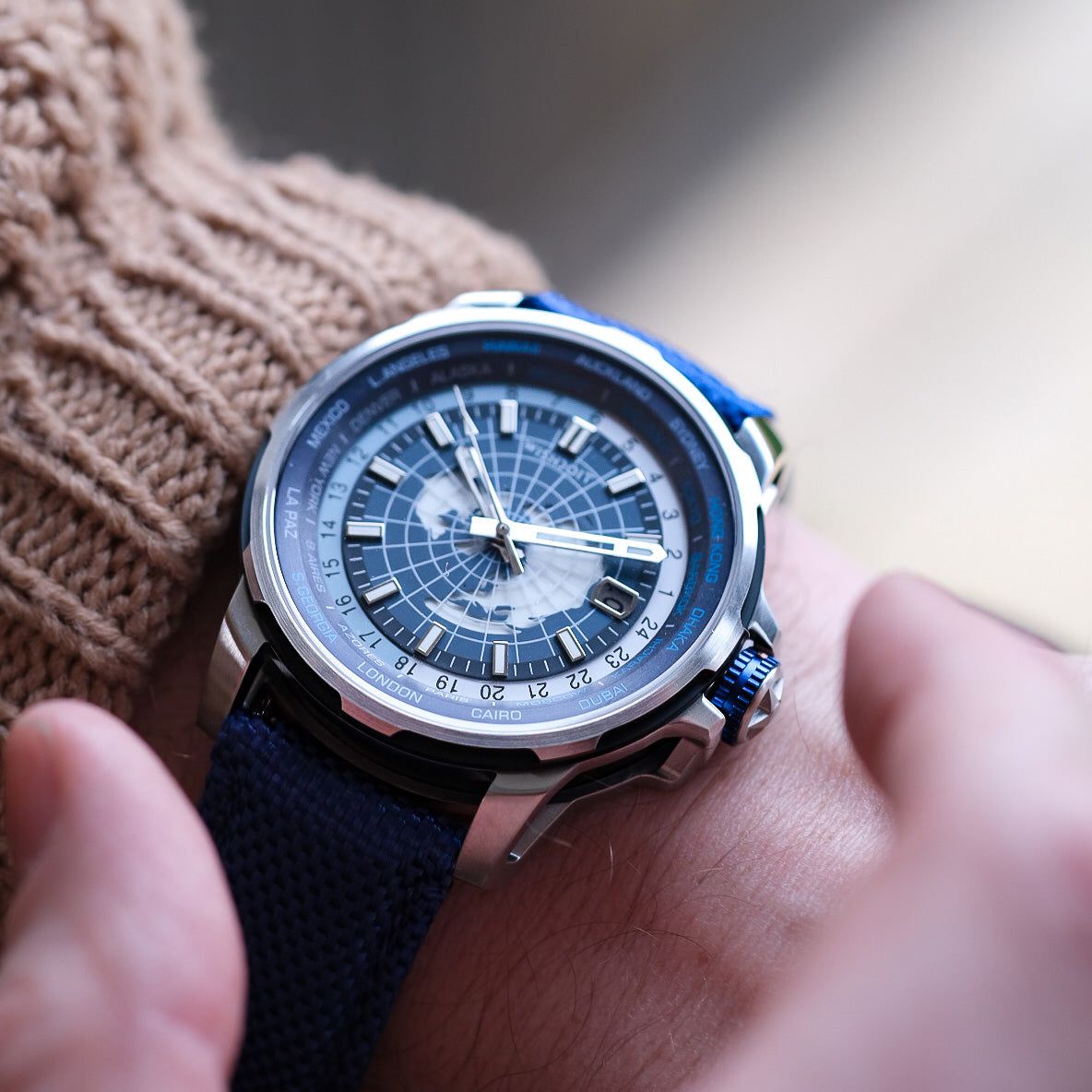


It happens to almost every watch owner at some point. You glance at your wrist, and the seconds hand isn't moving. The watch has stopped. Before you panic or assume the worst, understand that a stopped watch rarely means a dead watch. Often, the solution is simple. Sometimes, it requires professional care. This guide walks you through what to check first, when to seek help, and how after-sales support works for quality timepieces.
First, Determine the Type of Movement
Your troubleshooting approach depends entirely on what powers your watch.
Quartz (Battery-Powered): If the seconds hand has stopped completely, the battery is the most likely culprit. If the hand jumps in four or five-second intervals, the battery is dying but still has some power. If the hand moves erratically or stops and starts, the issue may be mechanical.
Automatic (Self-Winding): If the watch hasn't been worn for a day or two, it may simply have run out of power reserve. Give it a gentle manual wind (20-30 turns of the crown) and see if it starts. If it stops again after a few hours, other factors are at play.
Manual-Wind: These require daily winding. If stopped, wind it fully and observe. If it runs normally, you simply forgot to wind it. If it stops prematurely or runs erratically, service is needed.

Simple Checks Before Panicking
Try these before contacting anyone:
Check the Crown: Is it fully pushed in (or screwed down on dive watches)? A crown left partially pulled stops most quartz movements and prevents winding on mechanicals.
Check for Obstructions: Look closely at the hands. Is the seconds hand touching the minute hand? Is any hand bent and rubbing against the crystal or dial? Physical obstructions are surprisingly common.
Check for Magnetism: If the watch runs fast or slow but hasn't stopped, magnetism is possible. A watch that has stopped entirely is unlikely to be a magnetism issue.
Try a Manual Wind (for Automatics): An automatic watch that hasn't been worn enough may have an empty power reserve. Wind it manually and wear it for a full day. If it runs normally, your daily activity simply wasn't enough to keep it wound.
Battery Replacement: The Quartz Fix
For quartz watches, a fresh battery solves the majority of "stopped" problems. But there's a right way and a wrong way.
The Wrong Way: Prying open the case back with a knife, touching the movement with metal tools, or using a battery of unknown quality. These actions risk damaging contacts, shorting circuits, or introducing moisture.
The Right Way: Have a professional replace the battery. The cost is modest, and the service typically includes:
-
Cleaning the battery contacts
-
Inspecting and replacing gaskets (critical for water resistance)
-
Pressure testing the case closure
-
Verifying function after replacement
For Wishdoit watches and similar quality timepieces, professional battery replacement preserves water resistance and prevents accidental damage. The small service fee is cheap insurance.
When a Watch Needs Professional Service
Some symptoms indicate deeper issues that simple battery changes or winding can't fix:
Mechanical Watch Symptoms:
-
Stops at the same time every day (possible date mechanism interference)
-
Runs for a few hours then stops (low amplitude, possibly dry lubrication)
-
Makes unusual grinding or scraping sounds (damaged components)
-
Crown feels rough when winding (dirty or damaged keyless works)
Quartz Watch Symptoms:
-
New battery but still dead (corrosion, damaged coil, or failed motor)
-
Runs intermittently (loose connection or failing circuit)
-
Stops when crown is pressed (contact misalignment)
These symptoms require opening the movement, diagnosis by a trained watchmaker, and often replacement of worn or damaged components.

The Service Process: What Happens Inside
A professional watch service typically includes:
-
Case opening and inspection
-
Movement removal from the case
-
Full disassembly (for mechanical movements)
-
Ultrasonic cleaning of all components
-
Inspection under magnification for wear or damage
-
Replacement of worn parts (springs, gears, jewels as needed)
-
Lubrication with specified oils and greases
-
Reassembly and timing regulation
-
Case cleaning and gasket replacement
-
Final testing and water resistance verification
For quartz movements, a "service" more often means movement replacement. Many common quartz calibers cost less to replace than to service. A watchmaker will advise the most economical path.
The Wishdoit After-Sales Approach
Wishdoit watches are designed with serviceability in mind. The brand understands that watches are worn, not stored. Daily use eventually requires attention.
For owners of Wishdoit watches, the after-sales process is straightforward:
-
Warranty coverage: Specific terms apply to movement and manufacturing defects
-
Battery replacement: Available through authorized service partners
-
Movement service or replacement: Standardized costs for common calibers
-
Strap and bracelet adjustments: Simple, often same-day service
The key is using authorized channels. Independent watchmakers can certainly service Wishdoit watches (the movements are standard calibers), but warranty coverage requires authorized service.
The Tourbillon Side Note
Interestingly, a tourbillon—the spinning cage complication mentioned in previous discussions—requires even more specialized care. Its complexity means only master watchmakers can service it, and costs run into thousands of dollars. This is one reason Wishdoit watches focus on high-quality conventional movements rather than exotic complications. Simpler movements are more robust, easier to service, and far more practical for daily wear.
Prevention: Extending Time Between Services
The best repair is the one you never need. These habits keep your watch running longer:
-
Wind gently. Feel for resistance and stop when you meet it.
-
Keep it clean. Wipe your watch with a soft cloth after wear.
-
Avoid magnets. Keep mechanical watches away from speakers, phones, and magnetic clasps.
-
Respect water resistance. Don't wear leather-strapped watches near water. Rinse dive watches after saltwater exposure.
-
Service proactively. Every 4-6 years for mechanical movements. Battery changes on schedule for quartz.
When to Replace Instead of Repair
Sometimes replacement is the smarter answer:
Quartz movements: If a common caliber like the Ronda 515 or Miyota 0S series fails, replacing the entire movement often costs less than diagnosing and repairing the original. Many watchmakers keep these movements in stock.
Straps and bracelets: Leather straps wear out in 1-3 years of daily use. Metal bracelets last decades but benefit from occasional pin and collar replacement.
Crystals: A scratched mineral crystal can be polished or replaced. Sapphire crystal rarely scratches but can shatter on extreme impact.
For Wishdoit watches, replacement movements and parts are available through service channels, making long-term ownership practical and affordable.
Finding a Qualified Watchmaker
Not all watchmakers work on all watches. For basic battery changes and strap adjustments, most jewelry stores suffice. For movement work, look for:
-
Official certification (CW21, SAWTA, or brand-specific training)
-
Positive reviews from other watch owners
-
Transparent pricing for common services
-
Willingness to explain what needs doing and why
For warranty-covered repairs, always use authorized service centers.
Final Thought
A stopped watch is rarely a crisis. Often it's a dead battery, an unwound mainspring, or a minor obstruction. When it's more serious, modern watchmaking offers clear solutions: service, repair, or movement replacement.
The key is acting promptly. A watch that stops from a dead battery can sit indefinitely without harm. A watch that stops from moisture intrusion or physical damage needs attention before small problems become big ones.
Your watch was built to run. With proper care and timely service, it will run for decades.
Because the best watches aren't the ones that never stop. They're the ones that start again with the right care.
You'll also like
The Abyss Voyager GMT Diving Watch: Designed for Exploring the Depths of Life
Mechanical vs. Quartz Watches: Which is the Best Choice for You?