
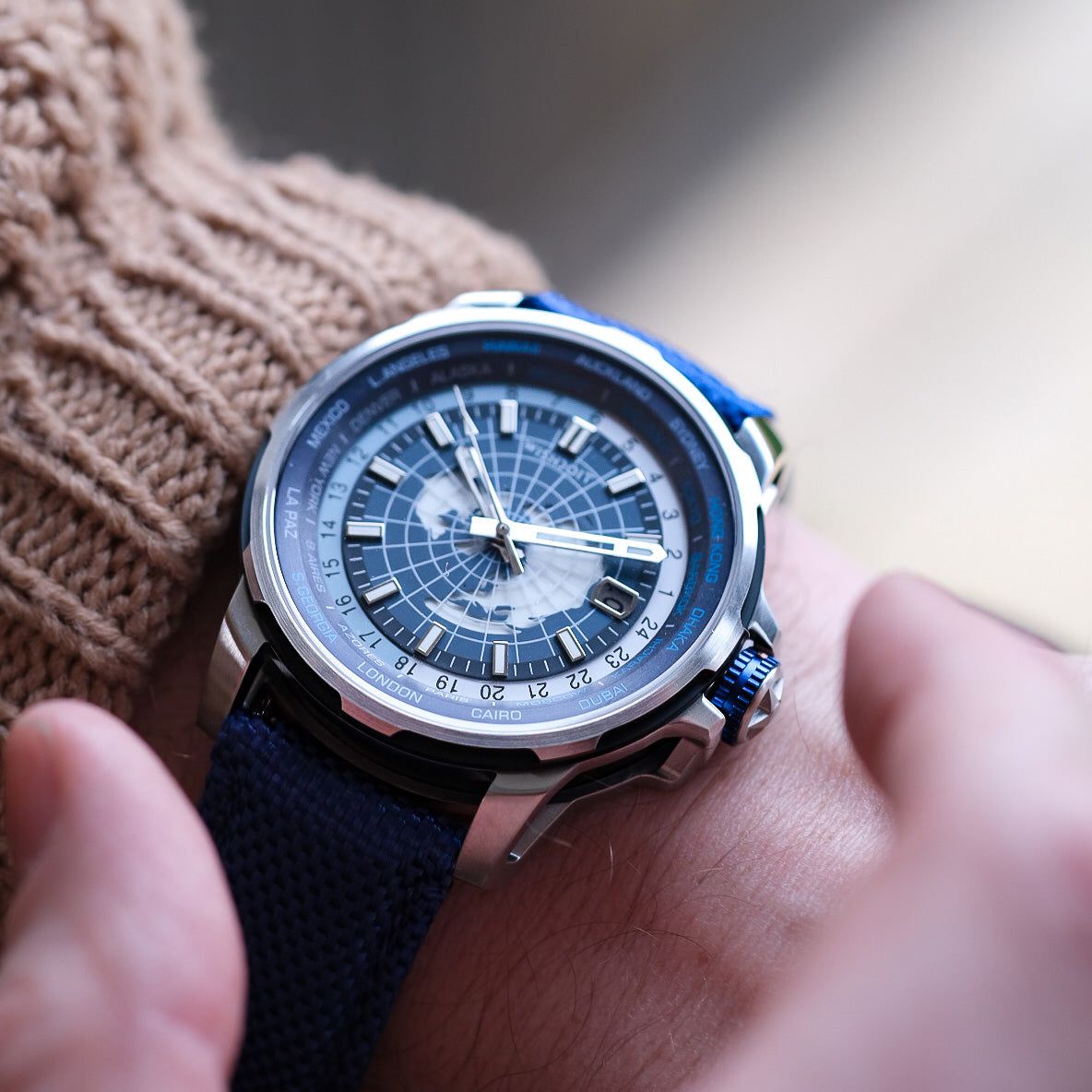


Precision timekeeping is the hallmark of a fine mechanical watch. Whether you own a classic Wishdoit watch or another mechanical timepiece, follow these professional steps to ensure perfect synchronization.
Step-by-Step Time Setting Guide
1. Preparation
-
Fully wind your watch (20-30 turns for manual wind)
-
For automatics: Wear for 30 minutes or gently rotate 20 times
2. Setting the Time
① Pull crown to position 2 (time-setting mode)
② Rotate clockwise until date changes (now set to AM)
③ Advance to current time (pass 12 to confirm AM/PM)
④ Push crown back in at exact sync with reference time

3. Pro Calibration Tips
-
Set watch dial-up overnight to balance positional variance
-
Compare against atomic clock (time.gov) for 48 hours
-
Record daily variance to understand your watch's personality
4. Special Case Handling
-
New watches: Allow 2-week "break-in" period for accuracy stabilization
-
After impact: Check accuracy as shock may affect regulation
-
Temperature changes: Allow 1 hour to stabilize after extreme cold/heat

Understanding Your Watch's Accuracy
Mechanical watches (including Wishdoit watches) typically maintain:
-
Standard grade: ±20 seconds/day
-
Premium models: ±10 seconds/day
Did You Know?
A 5-second daily variance equals just 1 minute per month - better than most vintage watches achieved!
When to Seek Professional Help
✖ Consistent variance exceeding 40 seconds/day
✖ Sudden accuracy changes (may indicate magnetism)
✖ Difficulty maintaining power reserve
"The beauty of mechanical watches lies in their tiny imperfections - each keeps time with its own unique rhythm."
How precise is your mechanical watch? Share your daily variance below!
You'll also like
This Automatic GMT World Timer Looks Amazing BUT....
Watch Time Adjustment Taboo: Why You Should Never Change the Date Between 9 PM and 3 AM
Watch Case Types Explained: From Stainless Steel to Titanium - Which One is Right for You?