
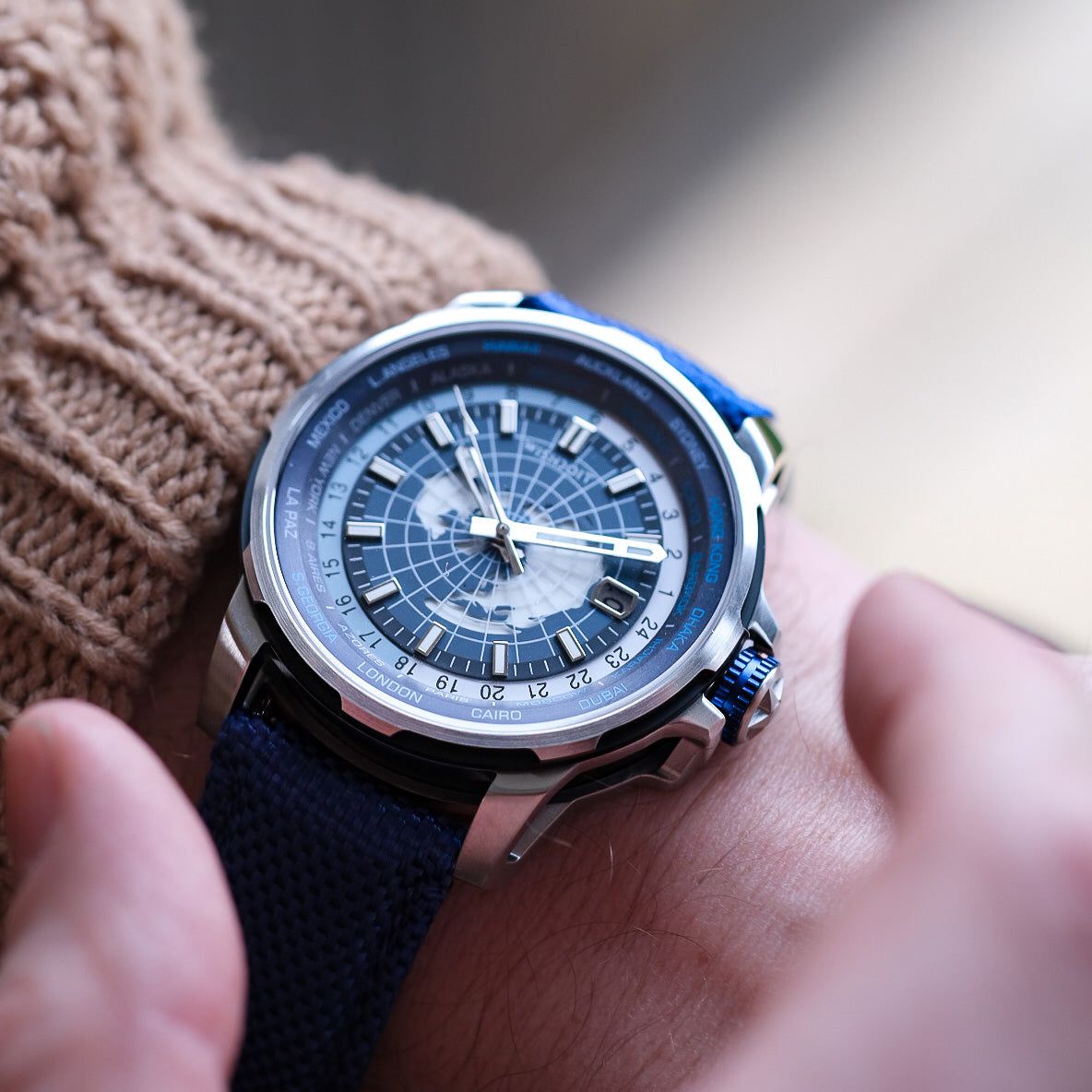


In watch enthusiast circles, a quiet hierarchy persists. At the top: mechanical movements, preferably Swiss, preferably expensive. Somewhere below: "affordable" mechanicals. And at the bottom, often dismissed entirely: quartz. This hierarchy survives despite a simple, uncomfortable fact. Quartz watches are objectively better timekeepers. They're more accurate, more durable, and far more affordable. So why the stigma? And is it fair?
The Historical Accident
To understand the quartz stigma, you need to go back to the 1970s and 1980s. This was the "Quartz Crisis." Swiss mechanical watchmaking nearly collapsed when affordable, accurate quartz watches flooded the market from Japan. Brands that had thrived for centuries went bankrupt. Jobs vanished. Tradition seemed obsolete.
The mechanical watch industry survived by repositioning itself. Mechanical watches weren't just timekeepers anymore. They were art, heritage, craftsmanship. Quartz became associated with the crisis that almost destroyed an entire horological culture. That association stuck.
But here's the thing: the crisis wasn't quartz's fault. It was the industry's failure to adapt. Quartz was simply better technology. It still is.
The Accuracy Argument You Can't Ignore
A high-quality mechanical movement, regulated perfectly, might achieve accuracy within -4 to +6 seconds per day. That's impressive for a system of springs and gears. A standard quartz movement? ±15 seconds per month. A high-accuracy quartz (HAQ) like those from Citizen or Grand Seiko? ±5 to ±10 seconds per year.
This isn't a small difference. A quartz watch can run for an entire month and be off by less than a mechanical watch is off in a single day. If timekeeping is the primary function of a watch, quartz wins. Unequivocally.
Durability and Convenience
Quartz movements have fewer moving parts. No delicate hairspring to magnetize. No balance staff to break on impact. A quartz watch can survive drops that would cripple a mechanical movement.
And convenience? A mechanical watch needs winding or daily wear. A quartz watch needs a battery change every three to five years. That's it. Otherwise, it's always ready, always accurate, always reliable. For anyone who values grab-and-go functionality, quartz is superior.

The "Soul" Argument Examined
The most common defense of mechanical watches is "soul." A mechanical movement breathes. Its smooth sweep, its visible oscillation, its hand-winding ritual. A quartz watch, critics say, has no soul. It's just a circuit and a motor.
This argument deserves respect. There is genuine pleasure in mechanical interaction. But "different" doesn't mean "soulless." A quartz watch has its own virtues: readiness, precision, freedom from ritual. Some people prefer that. Their preference isn't wrong.
The Price Prejudice
Quartz movements are cheaper to produce. This is a feature, not a flaw. It means a well-made quartz watch can be accessible to almost anyone. It means the same budget that buys an entry-level mechanical can buy a high-spec quartz with sapphire crystal, ceramic bezel, and 50m water resistance.
Yet the watch community often treats price as a proxy for quality. Expensive must be better. Cheap must be lesser. This confuses cost with virtue. A well-executed quartz watch from any brand—including Wishdoit watches—delivers genuine quality, just in a different technological package.
The Wishdoit Balance
Wishdoit watches offer both mechanical and quartz models, recognizing that different owners want different things. A quartz Wishdoit watch offers grab-and-go convenience, exceptional accuracy, and lower long-term maintenance. It's the right choice for many buyers—especially those who rotate watches or simply don't want to wind every morning.
The brand doesn't apologize for offering quartz. It understands that stigma is often ignorance in disguise.

Who Is Quartz For?
Quartz watches are ideal for:
-
Daily wearers who want accuracy without ritual
-
Travelers crossing time zones without winding worries
-
Active people who might subject a watch to shocks
-
Multiple-watch owners who can't keep every mechanical wound
-
Anyone on a budget who still wants quality construction
Quartz isn't a compromise. It's a choice.
The Double Standard
Watch enthusiasts celebrate vintage quartz from the 1970s as collectible. They praise Grand Seiko's 9F quartz as technically remarkable. They acknowledge that the Omega Marine Chronometer (quartz) saved Omega from bankruptcy. But everyday affordable quartz? Dismissed.
This double standard reveals the truth. The stigma isn't about quartz itself. It's about price and perception. Expensive quartz is admired. Affordable quartz is ignored. The movement technology is the same.
A Final Thought
Imagine if wristwatches were invented today. Two options emerge: a spring-driven mechanism losing seconds daily, requiring regular winding. Or a battery-powered circuit accurate to seconds per month, ready instantly. Which would consumers choose? The answer seems obvious.
Mechanical watches are beautiful anachronisms. That's why we love them. But anachronisms they remain. Quartz watches are the logical evolution. The fact that mechanical watches survived—and thrived—alongside quartz is a testament to human affection for tradition, not a judgment on technical merit.
So next time someone dismisses a quartz watch, ask: for whom is this watch? For someone who values ritual and heritage? Mechanical. For someone who values precision and convenience? Quartz. Both answers are correct. Neither deserves scorn.
Because the best watch isn't defined by its power source. It's defined by how well it serves the person wearing it.
You'll also like:
How Triton Prism Captures the Magic of the Ocean on Your Wrist
The Evolution of Watches: Real-Time Capabilities in Modern Timepieces
How to Choose the Perfect Watch Dial: A Guide to Style, Function and Personality