Watch knowledge
Why Do Watches Have Jewels? The Surprising Role of Rubies in Mechanical Movements
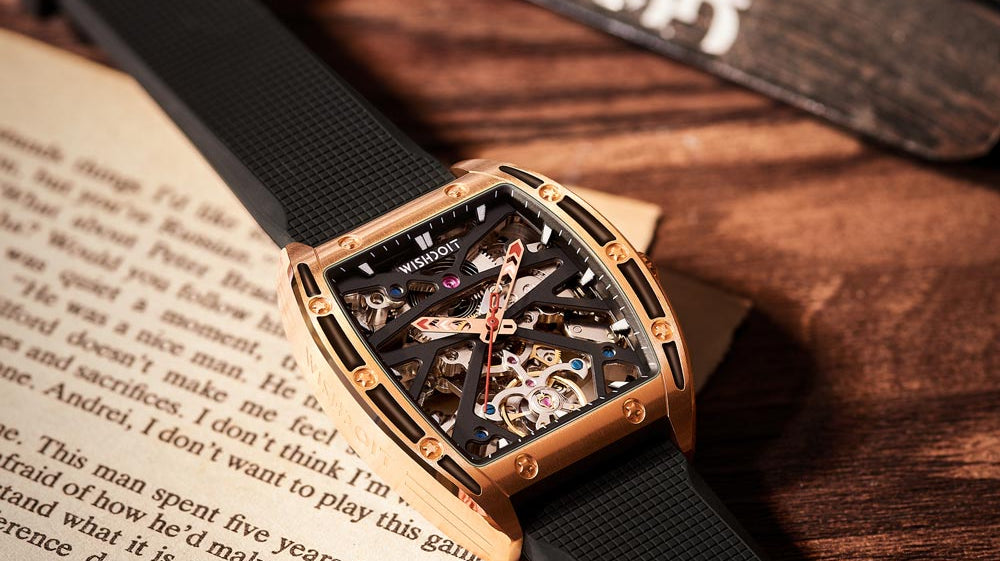
Ever wondered why luxury timepieces brag about their jewels? These tiny synthetic rubies aren't for bling - they're precision-engineered components that make mechanical watches work. Our deep dive reveals how 7-25 strategically placed jewels reduce friction in critical movement components, prevent metal wear, and maintain accuracy over decades. Discover why brands like Wishdoit rely on this centuries-old engineering solution, how jewel counts affect performance (and when they're just marketing), and what modern alternatives like ceramics are emerging. A must-read for watch enthusiasts who want to understand what really makes their timepiece tick!
Key Takeaways:
-
Synthetic rubies serve as ultra-hard, low-friction bearings
-
Essential locations: balance wheel, escapement, gear trains
-
17 jewels typically covers all critical friction points
-
More jewels ≠ better performance after key needs are met
-
Modern materials like ceramics now complement traditional jewels
Perfect for mechanical watch owners and horology curious readers alike!
How a Watch Records the Date and Other Information
Discover the mechanical magic behind the calendar function of your watch! This guide will take you to explore how watches display time-related data:
📅 From basic date wheels to perpetual calendars
🌙 Moon phase mechanisms accurate for over 122 years
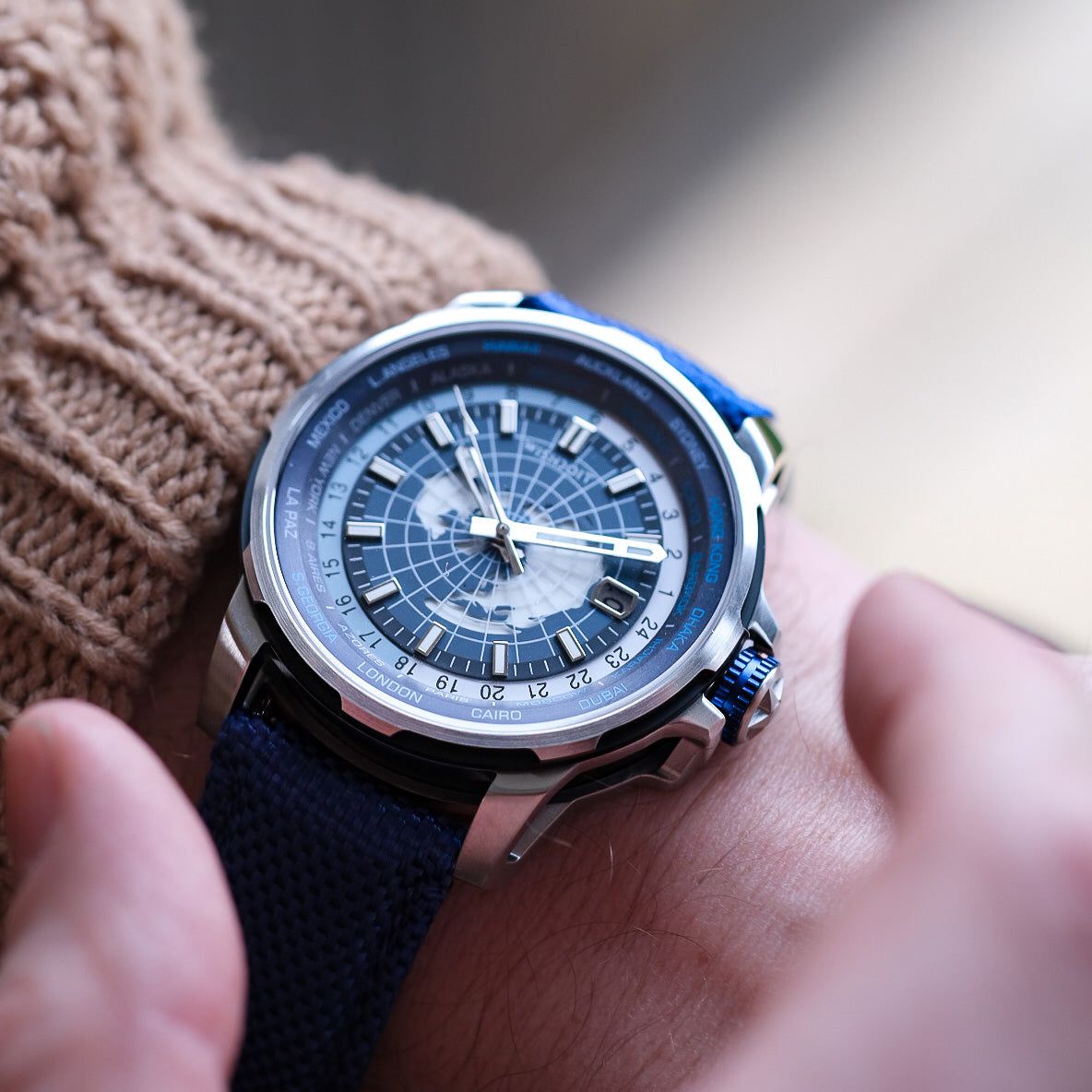
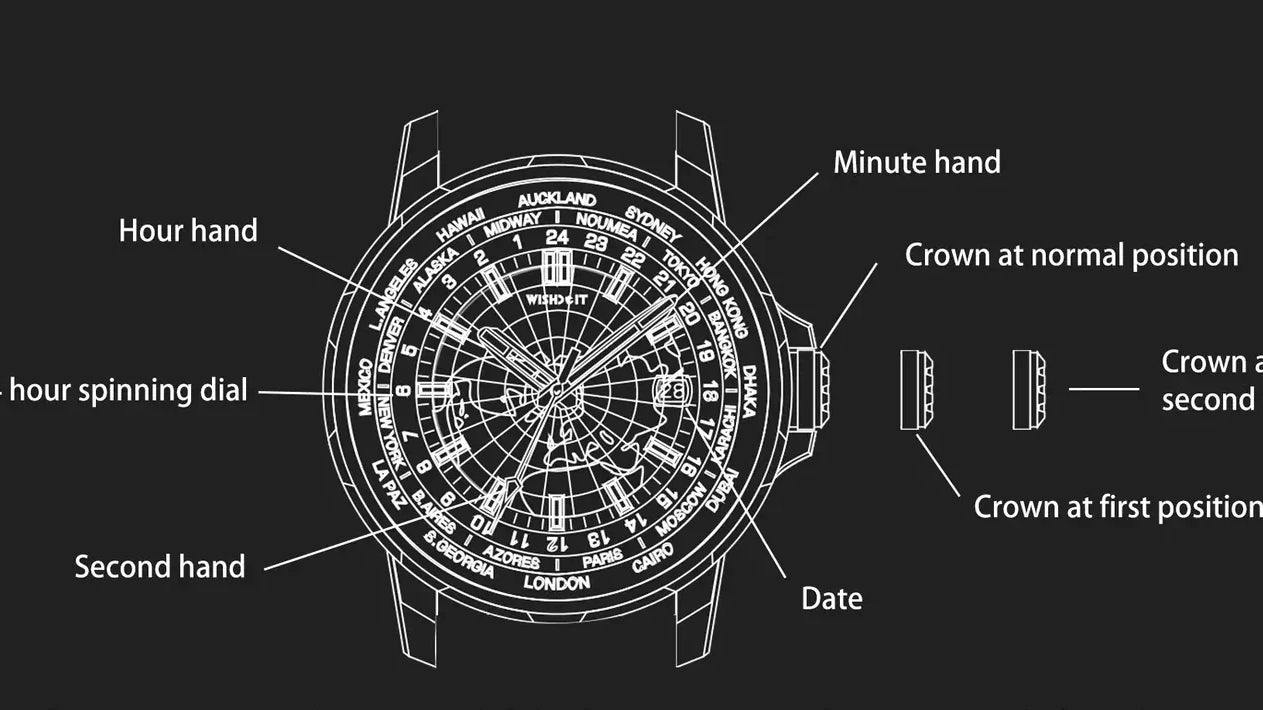
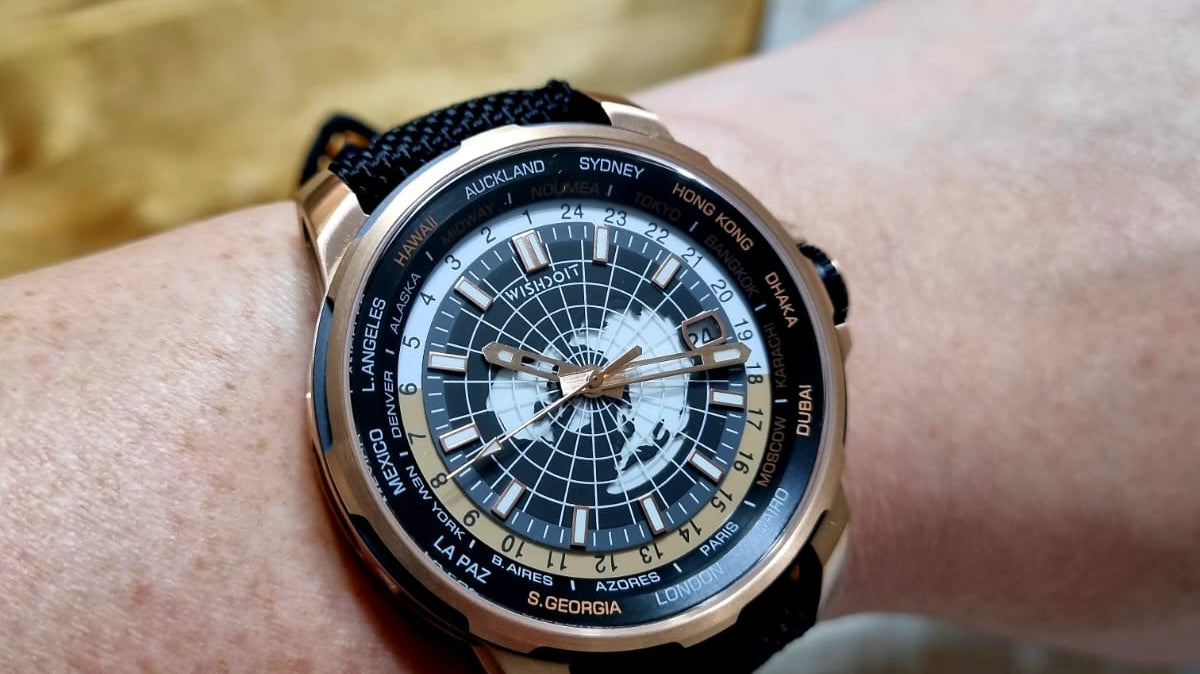
🌍 World time display for round-the-world travel
🔧 Maintenance tips to help you keep your calendar functioning perfectly
Whether you own a simple date watch or dream of a powerful complication, learn about the engineering behind these practical marvels.
Mastering Your GMT Watch: A Step-by-Step Guide to Time Zone Adjustment
Unleash the full potential of your GMT watch with this comprehensive guide! Learn how to easily track multiple time zones like a pro. Guide covers:
Simple steps for setting your local time and GMT hand
Smart uses of the rotating bezel
Necessary maintenance for your GMT watch
Practical travel scenarios and troubleshooting tips
Perfect for frequent travelers and watch enthusiasts - turn your watch into your ultimate global companion!
Understanding Watch Movement Frequency: Why It Matters for Your Timepiece
Discover why your watch's movement frequency matters! This guide explores how Wishdoit watches harness precise oscillations (measured in vph/Hz) to deliver exceptional accuracy. Learn the key differences between quartz (32,768 Hz) and mechanical (21,600-28,800 vph) movements, and how these invisible "heartbeats" affect your timepiece's performance, smoothness, and durability. Whether you prioritize cutting-edge precision with Wishdoit quartz watches or traditional craftsmanship with their mechanical counterparts, understanding frequency helps you choose the perfect watch to match your lifestyle. Timekeeping is more than meets the eye – it's a symphony of micro-engineered rhythms!
Why do watch hands get stuck? Common causes and simple solutions
Have you ever noticed your watch hands suddenly stopping or getting stuck? This common issue can be frustrating, but the causes are often simple to fix. In this post, we explore the most frequent reasons behind stuck watch hands—such as low battery, magnetism, dirt buildup, or mechanical wear—and provide easy DIY solutions to get your timepiece running smoothly again. Whether you have a quartz or mechanical watch, these tips will help you troubleshoot the problem and keep your watch ticking perfectly!
How to Choose the Perfect Watch Dial: A Guide to Style, Function and Personality
Your watch dial is more than just a time display - it's a reflection of your personal style and practical needs. Our comprehensive guide explores how to choose the ideal dial by looking at it:
Key design elements (markers, hands, texture)
The influence of movement type (quartz vs. automatic)
Color psychology and professional versatility
Balancing readability and aesthetics
Matching dial complexity to wrist size
Whether you prefer the precision of a minimalist quartz or the mechanical appeal of an automatic movement, learn how to choose a dial that you can see at a glance.
How to Prevent a Foggy Watch? Quick Solutions to Prevent Moisture Buildup
Discover why watches fog up and learn effective solutions to remove moisture and prevent future condensation. This guide covers quick DIY fixes, proper maintenance tips, and when to seek professional help—essential reading for protecting your timepiece, from everyday watches to water-resistant models. Keep your watch crystal clear with these expert-approved methods!
How to Choose the Right Watch Shape for Beginners: A Comprehensive Guide
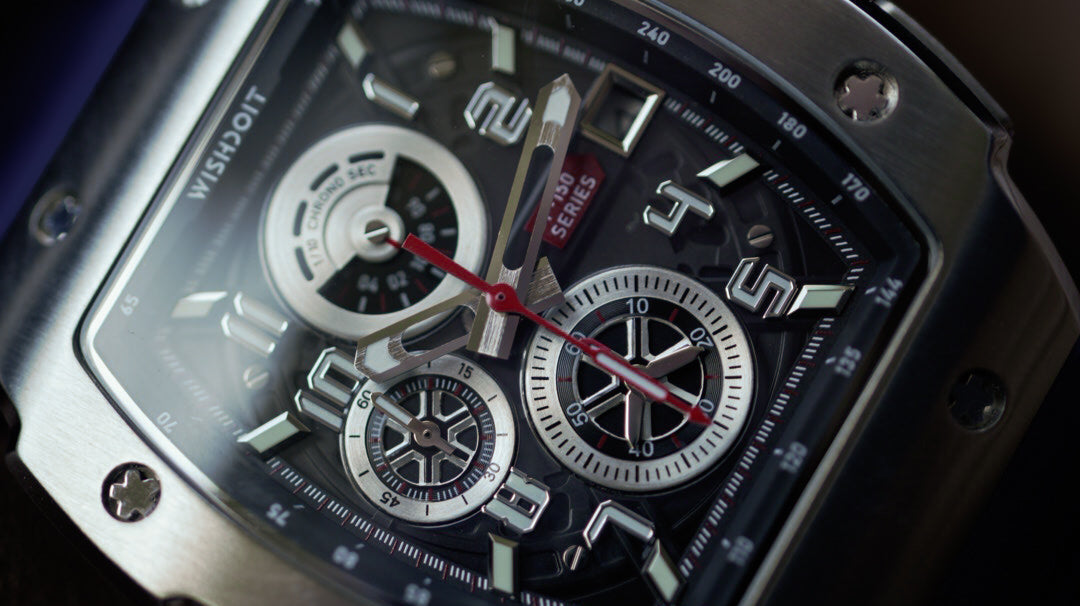
Choosing the right watch shape as a beginner can be both exciting and challenging. This guide explores the most popular watch shapes—round, square, rectangular, oval, and tonneau—and explains how each complements different wrist sizes, styles, and occasions. Whether you prefer a classic, modern, or bold look, understanding these options will help you make an informed decision. Brands like Wishdoit Watches offer versatile designs to suit every taste, making it easier to find a timepiece that reflects your personality. Dive into the full guide to discover how to select the perfect watch shape for your collection!
How Do Quartz and Mechanical Watches Work?
Learn how quartz and mechanical watches work, the main differences, and why they are still popular. Find out which type suits your lifestyle and find the perfect watch for your style and needs!
How to Match Your Watch with Your Outfit: A Style Guide for Every Occasion
In this comprehensive style guide, you'll learn how to pair your watch with any outfit. From casual outings to formal events, learn the best watch choices for every occasion. Enhance your image with tips on choosing the perfect watch to bring out your unique style!