Filter by
Watch Wearing & Maintenance Guide: 10 Essential Tips to Preserve Your Timepiece

Watch Wearing & Maintenance Guide: 10 Essential Tips to Preserve Your Timepiece

Your watch is an investment that deserves proper care - whether it's a luxury mechanical timepiece or an everyday Wishdoit watch. Our comprehensive guide reveals 10 essential maintenance practices that will keep your watch looking pristine and functioning perfectly for years to come. Learn how to protect your timepiece from common threats like sweat corrosion, magnetic fields, and improper storage. Discover professional tips for cleaning different case materials, maintaining water resistance, and recognizing when your watch needs servicing. We cover everything from simple daily habits (like wiping down your watch after wear) to more advanced care techniques for automatic movements.

Key Maintenance Takeaways:
✓ Clean your watch regularly to prevent sweat and dirt buildup
✓ Store properly in original boxes away from magnets and moisture
✓ Understand water resistance limits and care requirements
✓ Rotate straps to extend their lifespan
✓ Recognize signs that indicate need for professional service

Essential reading for any watch owner who wants to preserve their timepiece's value and performance!

Why Do Watches Have Jewels? The Surprising Role of Rubies in Mechanical Movements

Why Do Watches Have Jewels? The Surprising Role of Rubies in Mechanical Movements

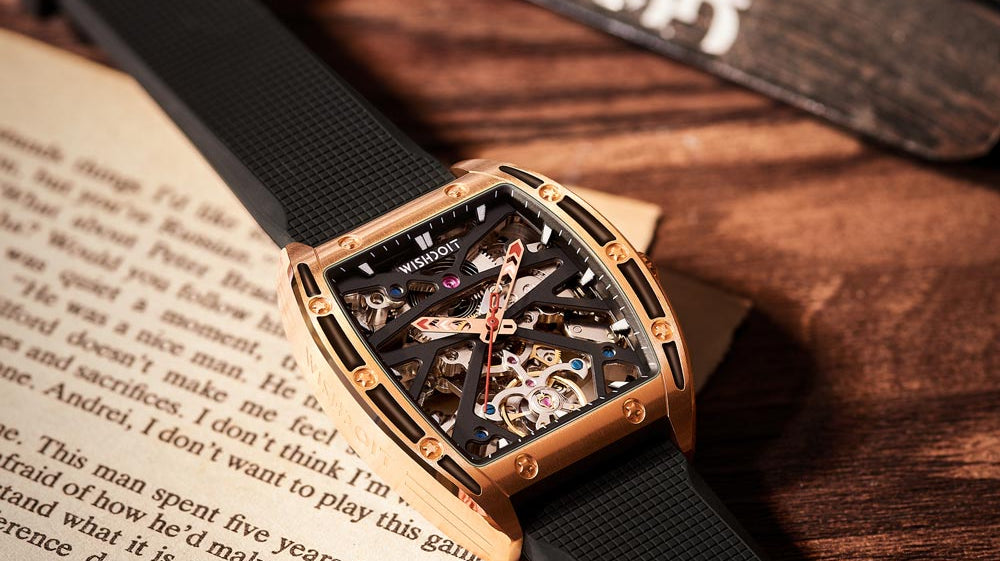
Ever wondered why luxury timepieces brag about their jewels? These tiny synthetic rubies aren't for bling - they're precision-engineered components that make mechanical watches work. Our deep dive reveals how 7-25 strategically placed jewels reduce friction in critical movement components, prevent metal wear, and maintain accuracy over decades. Discover why brands like Wishdoit rely on this centuries-old engineering solution, how jewel counts affect performance (and when they're just marketing), and what modern alternatives like ceramics are emerging. A must-read for watch enthusiasts who want to understand what really makes their timepiece tick!

Key Takeaways:

  • Synthetic rubies serve as ultra-hard, low-friction bearings

  • Essential locations: balance wheel, escapement, gear trains

  • 17 jewels typically covers all critical friction points

  • More jewels ≠ better performance after key needs are met

  • Modern materials like ceramics now complement traditional jewels

Perfect for mechanical watch owners and horology curious readers alike!

Watch Water Damage? Try These Simple & Effective Fixes

Watch Water Damage? Try These Simple & Effective Fixes

"Water in your watch? Don't panic - here's how to save your watch!"

Accidents happen, but quick action can save your beloved watch from water damage. Explore our step-by-step rescue guide, including:
✔ Quick drying tips
✔ Effective ways to remove moisture
✔ Water resistance explained
✔ When to seek professional help
✔ Prevention tips for the future

Whether you own one watch or have several in your collection, these practical solutions will make it easy to fix and avoid expensive repairs. Learn how to protect your watch and keep it running smoothly!

Understanding Watch Movement Frequency: Why It Matters for Your Timepiece

Understanding Watch Movement Frequency: Why It Matters for Your Timepiece

Discover why your watch's movement frequency matters! This guide explores how Wishdoit watches harness precise oscillations (measured in vph/Hz) to deliver exceptional accuracy. Learn the key differences between quartz (32,768 Hz) and mechanical (21,600-28,800 vph) movements, and how these invisible "heartbeats" affect your timepiece's performance, smoothness, and durability. Whether you prioritize cutting-edge precision with Wishdoit quartz watches or traditional craftsmanship with their mechanical counterparts, understanding frequency helps you choose the perfect watch to match your lifestyle. Timekeeping is more than meets the eye – it's a symphony of micro-engineered rhythms!

Why do watch hands get stuck? Common causes and simple solutions

Why do watch hands get stuck? Common causes and simple solutions

Have you ever noticed your watch hands suddenly stopping or getting stuck? This common issue can be frustrating, but the causes are often simple to fix. In this post, we explore the most frequent reasons behind stuck watch hands—such as low battery, magnetism, dirt buildup, or mechanical wear—and provide easy DIY solutions to get your timepiece running smoothly again. Whether you have a quartz or mechanical watch, these tips will help you troubleshoot the problem and keep your watch ticking perfectly!

The Right Way to Replace Your Quartz Watch Battery

The Right Way to Replace Your Quartz Watch Battery

Learn the correct way to replace your quartz watch battery and avoid common mistakes that can damage your timepiece. This step-by-step guide covers essential tools, proper techniques, and expert tips to ensure a smooth battery replacement—whether you own a daily beater or a premium Wishdoit watch. Discover when to DIY and when to seek professional help to keep your watch running accurately for years!

How to Prevent a Foggy Watch? Quick Solutions to Prevent Moisture Buildup

How to Prevent a Foggy Watch? Quick Solutions to Prevent Moisture Buildup

Discover why watches fog up and learn effective solutions to remove moisture and prevent future condensation. This guide covers quick DIY fixes, proper maintenance tips, and when to seek professional help—essential reading for protecting your timepiece, from everyday watches to water-resistant models. Keep your watch crystal clear with these expert-approved methods!