
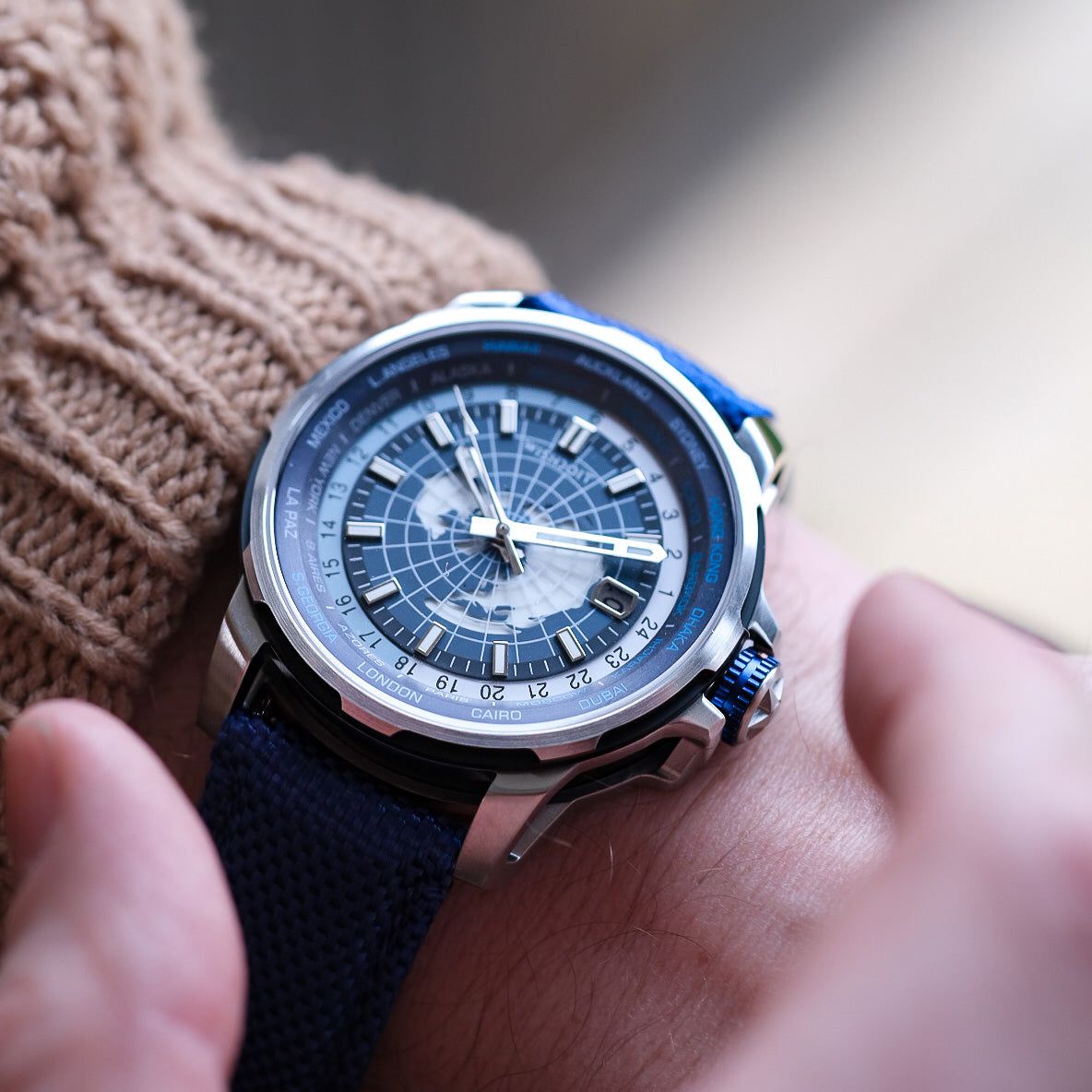


How Mechanical Watch Error is Calculated
Mechanical watches, unlike quartz movements, are affected by gravity, temperature, and movement. Error is measured in seconds per day (SPD). To check your watch's accuracy:
-
Set the watch to atomic time (use an online clock sync tool).
-
Track for 24 hours while wearing normally.
-
Compare the time difference – this is your daily error.

Industry Accuracy Standards
-
Standard Grade (Non-COSC): -20/+40 SPD
-
Common in entry-level automatics, including some Wishdoit watches.
-
-
COSC-Certified Chronometer: -4/+6 SPD
-
Swiss certification (not applicable to non-Swiss movements).
-
-
Premium In-House Calibers: -2/+4 SPD
-
High-end manufacturers’ standard.
-
Factors Affecting Accuracy
✔ Positional variance (dial up/down differences)
✔ Maintenance (old lubrication increases error)
✔ Magnetism (can suddenly accelerate timekeeping)
✔ Power reserve (accuracy often drops when under 30% wound)
Improving Your Watch’s Precision
-
Keep it wound (automatics: wear 8+ hours daily)
-
Store dial-up at night (balances positional errors)
-
Demagnetize annually (use a $20 demagnetizer)
-
Service every 5 years (prevents worsening accuracy)

When to Worry?
-
Consistently beyond +60/-30 SPD = Needs servicing
-
Sudden drastic changes = Likely magnetized
Pro Tip: Modern non-Swiss movements (like those in Wishdoit’s collections) can achieve COSC-level precision without the premium price.
*"A mechanical watch isn’t about perfection—it’s about character. Even a 10-second variance means your timepiece has a unique heartbeat."*
How accurate is your watch? Share your SPD in the comments!
You'll also like
WishDoIt Eternal Earth: The Japanese-Powered World Timer That Shook the Industry
Which Japanese movement wins? A detailed analysis of Seiko and Miyota movements
Is Your Watch Magnetized? Signs, Effects, and How to Fix It