
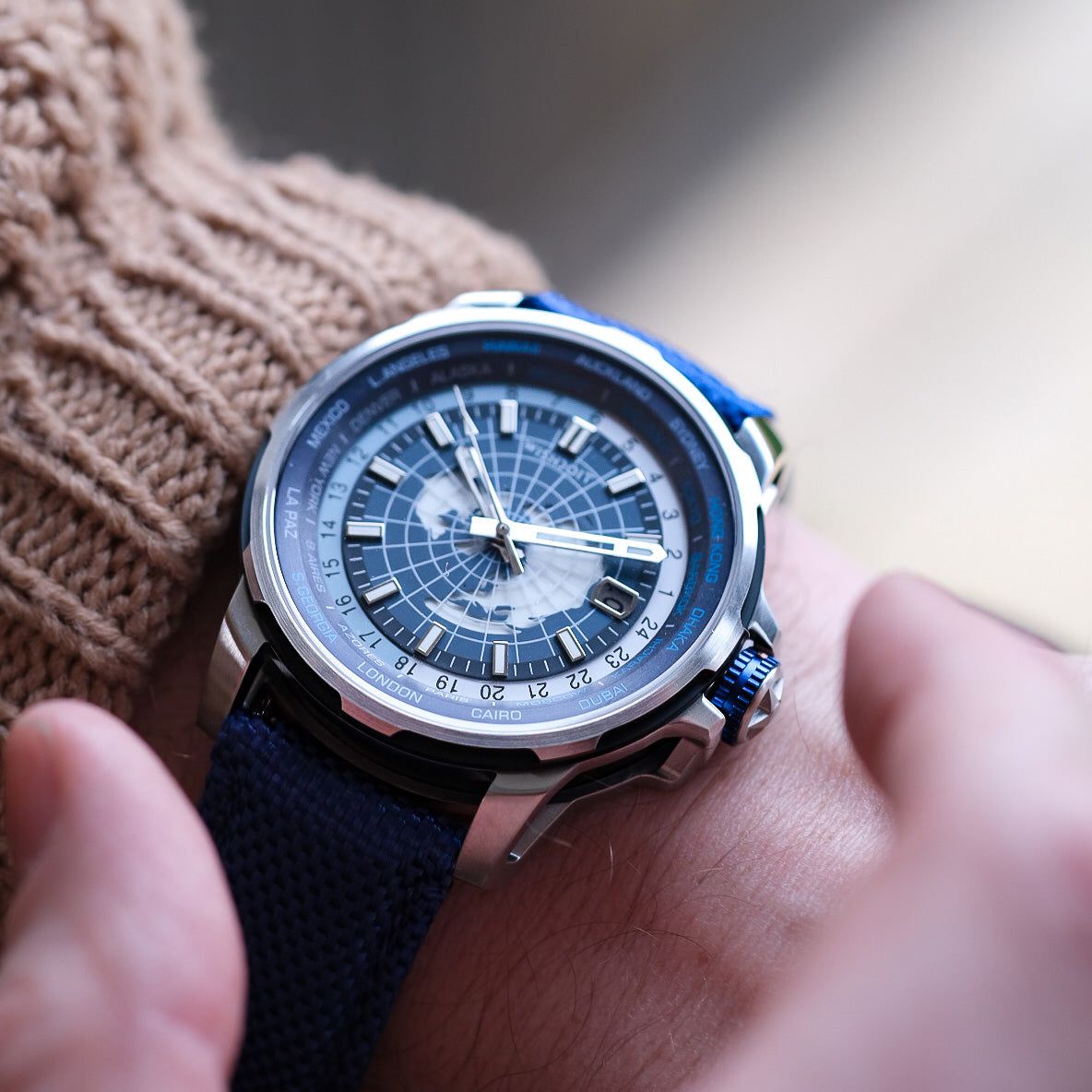


When you choose a mechanical timepiece, you're embracing a world of intricate engineering and timeless craftsmanship. A key concept that sets mechanical watches apart is the "power reserve." But what exactly does it do? Simply put, the power reserve indicates how long your watch will continue to run after it has been fully wound. Think of it as the fuel gauge for your Wishdoit Watch.
How Does Power Reserve Work?
Inside every mechanical Wishdoit Watch, whether manual-wind or automatic, is a mainspring—a coiled strip of special metal. Winding the watch, either by turning the crown or through the natural motion of your wrist (in automatics), tightens this spring. The slow, controlled unwinding of this spring releases energy, powering the watch's movement and keeping time.
The power reserve is the duration between a fully wound mainspring and when it has unwound completely, bringing the watch to a stop.

Manual-Wind vs. Automatic Wishdoit Watches
-
Manual-Wind Watches: These require you to wind the crown regularly. A typical power reserve for a manual-wind timepiece is around 40-50 hours. This means if you fully wind your Watch on Monday morning, it will keep ticking until roughly Wednesday morning without further winding.
-
Automatic Watches: These harness energy from the wearer's wrist movement. As you move, a rotor spins and winds the mainspring. If you wear your automatic Watch daily, it will likely never stop. However, if you take it off, it will rely on its stored power reserve, which also typically lasts 40-50 hours.

Why is Power Reserve Important?
Understanding the power reserve of your Watches is crucial for two main reasons:
-
Preventing Stoppage: It tells you how long you can leave your watch off your wrist before it needs to be wound again. This is especially useful if you rotate between different Watches in your collection.
-
Ensuring Accuracy: A watch often runs at its most accurate when it has a healthy amount of power. As the mainspring nears the end of its reserve, the power output can drop slightly, potentially affecting precision.
For owners of Wishdoit Watches, appreciating the power reserve enhances the connection with your timepiece. It’s a reminder of the living, mechanical heart within that, much like us, needs regular energy to perform at its best. So, whether you're winding your classic manual Watch or strapping on your automatic model, you're not just telling time—you're nurturing a marvel of horology.
You'll also like:
Why Your Mechanical Watch Stops: Common Causes & Solutions
Watch Time Adjustment Taboo: Why You Should Never Change the Date Between 9 PM and 3 AM
Watch Case Types Explained: From Stainless Steel to Titanium - Which One is Right for You?