
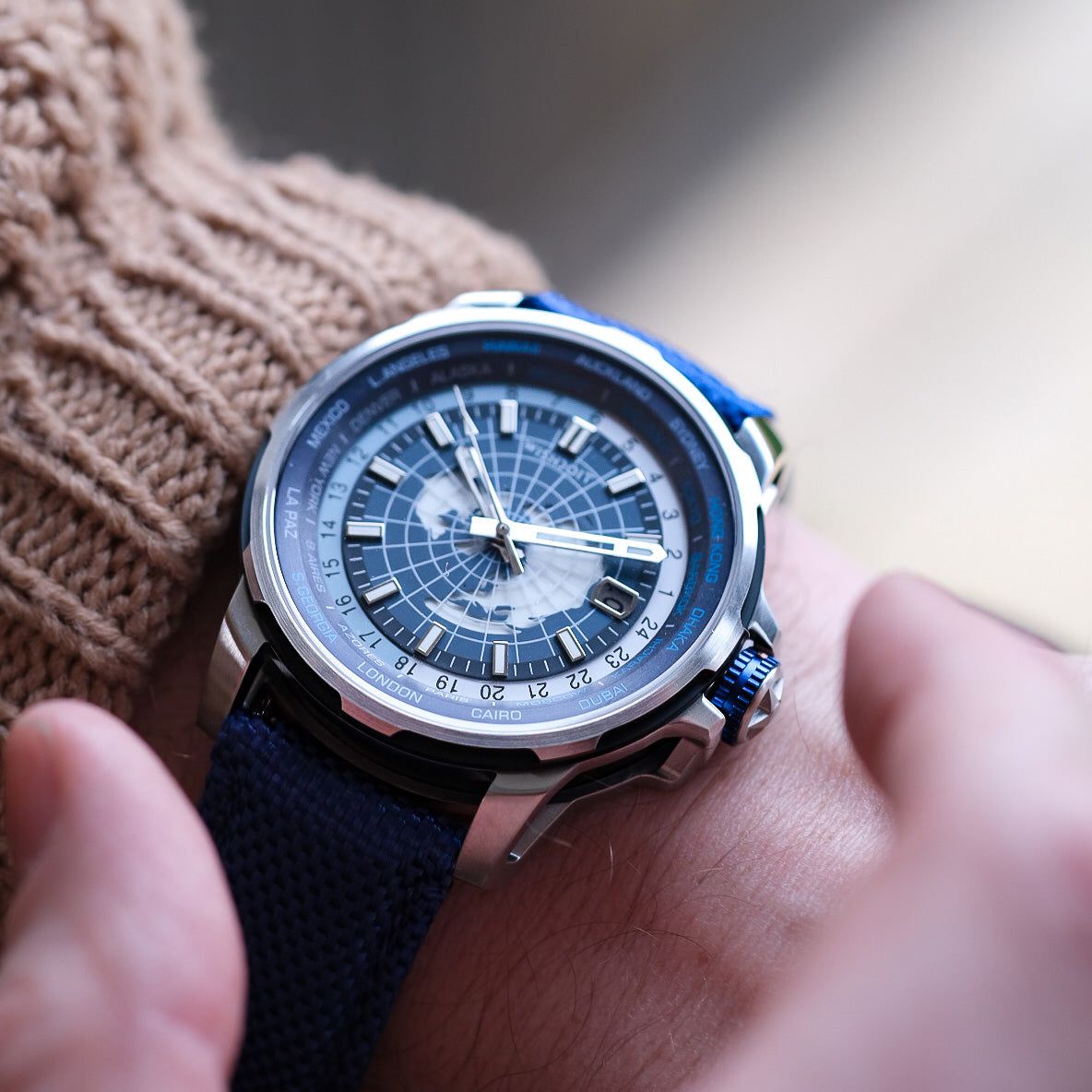


If you've spent any time in watch forums or conversations, you've heard the debate: Swiss vs. Japanese movements. It's presented as a binary choice, as if one nation holds the secret to horological superiority while the other merely produces acceptable alternatives.
This framework is not just oversimplified. It's wrong.
Let's debunk the myth of the "best" movement and explore what really matters when choosing the heart of your timepiece.
Switzerland's Reputation: Prestige and Tradition
Swiss movements possess undeniable allure. Brands like ETA and Sellita, along with high-end manufacturers, boast centuries of history. The "Swiss Made" label evokes images of Alpine workshops, generations of inherited craftsmanship, and meticulous finishing.
Facts:
Swiss movements are generally excellent. They possess:
Exquisite finishing standards
A stable supply of parts
High resale value of Swiss brand watches
However, they are not inherently superior. Many Swiss movements are designed with ease of maintenance and durability as primary considerations, rather than pursuing ultimate performance. This prestige comes with a high price—often quite expensive.

The Japanese Approach: Engineering Over Romance
Japanese movements, led by Seiko's divisions (including the famous NH and 4R families) and Citizen's Miyota, take a different path. They prioritize:
-
Rugged, over-engineered reliability
-
Cost-effective manufacturing
-
Consistent performance across thousands of units
-
Accessibility for repairs and replacements
The reality:
Countless micro-brand watches, from $200 to $500, use the Seiko NH35 movement because of its reliability. It's accurate enough, durable enough, and inexpensive enough to require maintenance that's practically negligible.
Japanese movements don't try to compete on hand-finishing or centuries of tradition. They compete on delivering the function reliably and affordably.

The Chinese Question: The Rising Contender
Ignore the stigma. Chinese movement manufacturing has transformed dramatically. Brands like Hangzhou, Peacock, and even Seagull produce movements that range from serviceable to genuinely impressive.
The reality:
Some Chinese movements:
-
Are direct clones of Swiss or Japanese designs (for better or worse)
-
Offer surprising quality at rock-bottom prices
-
Power watches that would cost triple with a Swiss caliber
The gap between "acceptable" Chinese movements and entry-level Swiss/Japanese is narrowing yearly. For budget-conscious buyers, they're increasingly viable.
The Truth: "Best" Depends Entirely on Context
Here's what the Swiss-vs-Japanese debate misses: movements are tools, not trophies. The "best" movement is the one that fits your priorities.
Ask yourself:
-
Do you value prestige and tradition? Swiss movements deliver that emotional connection.
-
Do you prioritize reliability and serviceability? Japanese workhorses are hard to beat.
-
Is budget your primary constraint? Modern Chinese movements offer incredible value.
-
Do you obsess over finishing? High-end Swiss (or even Grand Seiko) wins.
-
Do you just want your watch to run accurately for years? Any of the above can deliver.
The Hidden Variable: Implementation
Enthusiasts will eventually understand that the importance of the movement itself is far less than its assembly method.
Every Wishdoit watch is equipped with a finely crafted and precisely adjusted movement. The crystal, seals, crown, and strap connection—these factors determine your daily wearing experience far more than whether the rotor is marked "Japanese" or "Swiss."
A brand that chooses a reliable Japanese movement, meticulously adjusts it, houses it in a robust sapphire crystal case, and subjectes it to rigorous water resistance testing will create a watch that far surpasses those brands that simply cram a Swiss movement into a mediocre case.
The Movement Spectrum
Instead of "best," think of movements on a spectrum:
-
At the budget end: Basic quartz and Chinese automatics offer incredible value
-
In the middle: Japanese workhorses and entry-level Swiss deliver reliability
-
At the top: High-end Swiss, German, and Japanese (Grand Seiko) movements add finishing and prestige
Most watches—and most owners—live happily in the middle. And that's exactly where they should be.
The Final Debunk
The "best" watch movement isn't Swiss. It isn't Japanese. It isn't Chinese.
The best movement is the one that:
-
Runs accurately enough for your needs
-
Proves reliable over years of use
-
Can be serviced or replaced affordably
-
Fits within your watch's overall value proposition
-
Doesn't keep you awake at night worrying about hypothetical superiority
A Thought Experiment
Imagine two watches:
Watch A: Swiss movement, mediocre case finishing, questionable water resistance, overpriced.
Watch B: Japanese movement, excellent case construction, sapphire crystal, solid seals, fair price.
Which is the better watch? Not the better movement—the better watch.
Watch B. Every time.
The Wisdom
The movement debate distracts from what actually matters: the complete package. A great movement in a poor watch is wasted. A solid movement in a well-executed watch is a joy.
So next time someone asks whether Swiss or Japanese movements are "better," smile and ask them: "Better for what? Better for whom? Better at what price?"
The answers will tell you everything about watches—and nothing about movements at all.
Because in the end, you don't wear a movement. You wear a watch.
You'll also like:
How to Love Your Watch: Essential Movement Maintenance Tips
Celestia by Wishdoit: A Timeless Fusion of Elegance and Precision
Scratch-Proof or Shatter-Resistant? Decoding Watch Crystal Materials