
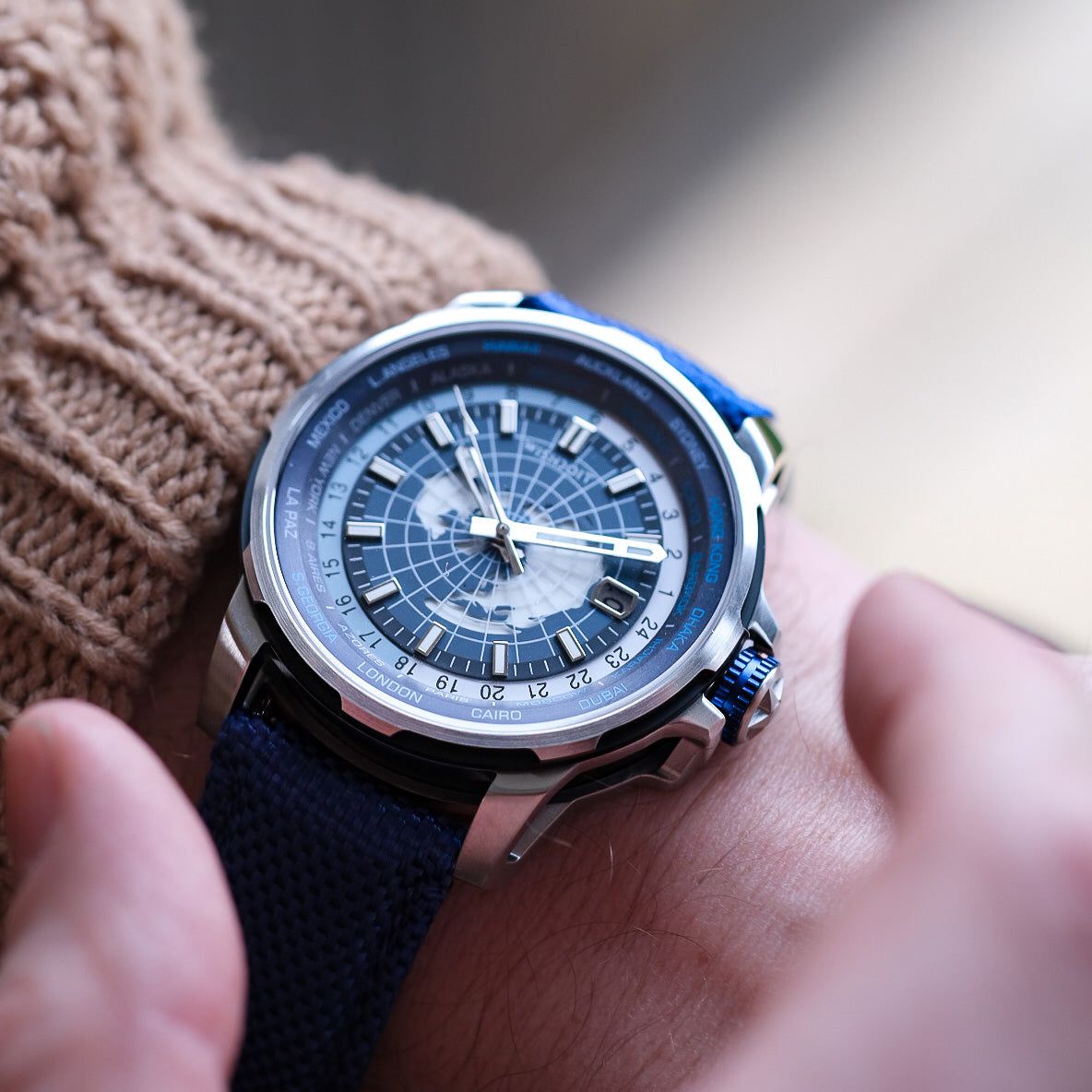


يواجه كل مالك ساعة ذلك في النهاية. يتوقف عقرب الثواني. تبدو التاج خشنة. تتشقق البلورة. الساعة التي كانت رفيقًا موثوقًا به تحتاج فجأة إلى المساعدة. تجمع قاعدة المعارف هذه المعلومات الأساسية التي تحتاجها لتصليح الساعة - من الإصلاحات البسيطة إلى معرفة متى يجب الاتصال بالمحترف.
الجزء الأول: تشخيص المشكلة
قبل أن تتمكن من إصلاح أي شيء، عليك أن تعرف ما الذي تعطل.
ساعة الكوارتز لا تعمل:
-
بطارية فارغة (الأكثر شيوعًا)
-
تآكل نقاط التلامس بسبب تسرب البطارية
-
ملف أو محرك تالف
-
تروس عالقة
-
التاج متروك للخارج
ساعة ميكانيكية لا تعمل:
-
ببساطة غير ملفوفة (جرب 20-30 لفة يدوية أولاً)
-
المغنطة (تعمل بسرعة، نادرًا ما تتوقف تمامًا)
-
التشحيم الجاف (تعمل لفترة وجيزة ثم تتوقف)
-
زنبرك رئيسي مكسور (لا يمكن لفه بالكامل)
-
تلف ناتج عن الصدمات (سقطت أو تعرضت لضربة)

ساعة ميكانيكية تعمل بسرعة:
-
المغنطة (الأكثر احتمالًا، خاصة إذا كانت مفاجئة)
-
مشاكل في زنبرك التوازن (أقل شيوعًا)
ساعة ميكانيكية تعمل ببطء:
-
التشحيم الجاف (شائع في الساعات القديمة غير المخدومة)
-
سعة اهتزاز منخفضة (تحتاج إلى صيانة)
التاريخ لا يتغير:
-
تم الضبط خلال منطقة الخطر (من 9 مساءً إلى 3 صباحًا) مما تسبب في الضرر
-
آلية عالقة (تحتاج إلى تنظيف)
-
ترس تالف (يحتاج إلى استبدال)
التاج لا يثبت بالبرغي:
-
خيوط ملتوية (شائعة من شد الزائد)
-
خيوط تالفة (العلبة أو التاج)
-
حطام في الخيوط (نظف أولاً)
رطوبة داخل الزجاج:
-
فشل الختم (تدهور الحشيات)
-
التاج متروك غير مثبت قبل التعرض للماء
-
صدمة حرارية (تغيرات سريعة في الحرارة والبرودة)
الجزء الثاني: إصلاحات بسيطة يمكنك القيام بها بنفسك
بعض الإصلاحات لا تتطلب مهارات أو أدوات خاصة.
استبدال بطارية كوارتز:
-
لاحظ نوع البطارية قبل إزالتها
-
استخدم ملقطًا بلاستيكيًا لتجنب الدوائر القصيرة
-
نظف نقاط التلامس بممحاة قلم رصاص إذا كانت متآكلة
-
استبدل حشيات غطاء العلبة إذا كانت متشققة
-
اضغط أو اربط الغطاء بإحكام ولكن دون إفراط في القوة
تغيير حزام أو سوار:
-
استخدم أداة قضيب زنبركي (أو مفك براغي صغير ذو رأس مسطح)
-
اضغط جانبًا واحدًا في كل مرة
-
الصق العروات لمنع الخدوش
-
تأكد من أن القضبان الزنبركية مثبتة بالكامل
إزالة مغنطة الساعة:
-
اشترِ جهاز إزالة المغنطة الرخيص
-
ضع الساعة على الجهاز، اضغط الزر، ثم اسحب ببطء
-
أو قم بزيارة أي صانع ساعات مجانًا أو مقابل رسوم رمزية
تنظيف علبة وسوار الساعة:
-
استخدم الماء الدافئ والصابون المعتدل
-
فرشاة أسنان ناعمة للشقوق
-
جفف جيدًا
-
لا تغمر ساعة بها أختام تالفة في الماء
تعديل سوار معدني:
-
معظمها يحتوي على دبابيس وأطواق أو روابط براغي
-
شاهد مقطع فيديو لنوع السوار الخاص بك
-
اعمل فوق منشفة لالتقاط الأجزاء المتطايرة

الجزء الثالث: متى تتصل بمحترف
تتطلب العديد من الإصلاحات مهارات وأدوات وقطع غيار لا تملكها.
إصلاح الحركة:
-
أي مشكلة داخل الحركة تتجاوز البطارية الميتة
-
زنبرك رئيسي مكسور
-
تروس متآكلة
-
عمود توازن تالف
استبدال الزجاج:
-
يتطلب مكبس زجاج، وحجمًا صحيحًا، وختمًا مناسبًا
استبدال التاج أو الجذع:
-
يجب أن يتطابق مع الحركة والعلبة المحددة
استعادة مقاومة الماء:
-
يتطلب معدات اختبار الضغط
خدمة كاملة:
-
الحركات الميكانيكية: كل 3-5 سنوات
-
فك كامل، تنظيف، تشحيم، تنظيم
إن محاولة القيام بهذه الأمور بدون تدريب تنطوي على مخاطر تلف دائم. يمتلك صانع الساعات الأدوات ومخزون القطع والخبرة.
الجزء الرابع: البحث عن صانع ساعات مؤهل
لا يعمل جميع صانعي الساعات على جميع أنواع الساعات.
لأعمال البطارية والحزام الأساسية:
معظم متاجر المجوهرات مناسبة.
لإصلاح الحركة في العيارات الشائعة:
ابحث عن شهادة (CW21، SAWTA، أو تدريب خاص بالماركة).
للساعات العتيقة أو الفاخرة:
ابحث عن متخصصين. لا تثق بالجواهريين العامين.
لساعات Wishdoit:
حركاتها هي حركات قياسية (NH35، Miyota، PT5000، حركات كوارتز روندا). إذا طلبت ساعة من منصة Wishdoit وواجهت أي مشاكل، يرجى الاتصال بخدمة العملاء على الفور للحصول على المساعدة. لا تحاول إصلاحها في ورشة إصلاح بنفسك.
الجزء الخامس: الوقاية من أجل طول العمر
أفضل إصلاح هو الذي لا تحتاجه أبدًا.
-
لف الساعات برفق. توقف عند المقاومة.
-
خزّن الساعات في مكان جاف ومستقر الحرارة.
-
اشطف ساعات الغوص بعد التعرض لمياه البحر.
-
افحص الحشيات سنويًا للموديلات المقاومة للماء.
-
قم بصيانة الساعات الميكانيكية كل 3-5 سنوات.
لا تفعل:
-
اضبط التاريخ بين الساعة 9 مساءً و 3 صباحًا.
-
ارتدِ أحزمة جلدية في الماء.
-
أجبر تاجًا لا يدور.
-
تتجاهل الرطوبة داخل الزجاج.
-
تحاول إصلاح الحركة بدون تدريب.
الجزء السادس: قرار الاستبدال
أحيانًا يكون الاستبدال أفضل من الإصلاح.
-
الحركات الكوارتز: غالبًا ما يكون استبدالها أرخص من تشخيصها وإصلاحها.
-
الأحزمة والكريستالات: تكلفة الإصلاح واضحة؛ قارنها بالجديد.
بالنسبة لساعات Wishdoit، فإن أسعار العلامة التجارية المعقولة تعني أن استبدال الحركات أو حتى الساعات بأكملها يكون أحيانًا الخيار الاقتصادي. هذه ميزة وليست عيبًا. تتضمن قابلية الصيانة معرفة متى يجب الاستبدال.
فكرة أخيرة
الساعة المكسورة ليست مأساة. إنها جسم ميكانيكي تعرض لمشكلة ميكانيكية. معظم المشاكل قابلة للإصلاح. بعضها يمكن الوقاية منه. وبعضها يشير إلى أن الوقت قد حان للاستبدال.
تزودك قاعدة المعارف أعلاه بالقدرة على التشخيص واتخاذ القرار والعمل. لست بحاجة لأن تصبح صانع ساعات. كل ما تحتاجه هو معرفة ما يمكنك التعامل معه ومتى تطلب المساعدة.
لأن الانتقال من العطل إلى الكمال هو رحلة. ومعرفة المسار يجعلها أقل تخويفًا.
قد يعجبك أيضًا
العناية بالساعة في الصيف: 3 أشياء يجب تجنبها للحفاظ على ضمانك لمدة 5 سنوات ساري المفعول
أرخص، أكثر دقة، ومع ذلك يتم الاستخفاف بها؟ الوصمة غير العادلة حول ساعات الكوارتز
كيف تختار مينا الساعة المثالي: دليل للأناقة والوظيفة والشخصية