Passa ai contenuti
☀️
SUMMER SALE | Enjoy Up to 20% OFF Sitewide
Cerca
Best Sellers
Men
Women
Sales
Reviews
Support
Account
Cerca
Carrello
Best Sellers
Men
Featured
Shop All
New Arrivals
Best Sellers
GMT Watches
Diver Watches
Forged Carbon Watches
By Movement
Quartz
Mechanical
Chronograph
Watch Bands
Rubber Watch Straps
Canvas Watch Straps
Nylon Straps
FKM Straps
Best Sellers >>
Luminous 3D >>
Women
Women Watches >>
Celestia Ceramic
ChronoOwl
Peacock Plume
Sales
Reviews
Support
FAQs
Contact us
Repairs or Services
🌎FREE SHIPPING WORLDWIDE
🔗 180 DAY HASSLE-FREE RETURNS
⭐️ 5 YEARS WARRANTY
🌎FREE SHIPPING WORLDWIDE
🔗 180 DAY HASSLE-FREE RETURNS
⭐️ 5 YEARS WARRANTY
🌎FREE SHIPPING WORLDWIDE
🔗 180 DAY HASSLE-FREE RETURNS
⭐️ 5 YEARS WARRANTY
🌎FREE SHIPPING WORLDWIDE
🔗 180 DAY HASSLE-FREE RETURNS
⭐️ 5 YEARS WARRANTY
🌎FREE SHIPPING WORLDWIDE
🔗 180 DAY HASSLE-FREE RETURNS
⭐️ 5 YEARS WARRANTY
🌎FREE SHIPPING WORLDWIDE
🔗 180 DAY HASSLE-FREE RETURNS
⭐️ 5 YEARS WARRANTY
🌎FREE SHIPPING WORLDWIDE
🔗 180 DAY HASSLE-FREE RETURNS
⭐️ 5 YEARS WARRANTY
🌎FREE SHIPPING WORLDWIDE
🔗 180 DAY HASSLE-FREE RETURNS
⭐️ 5 YEARS WARRANTY
🌎FREE SHIPPING WORLDWIDE
🔗 180 DAY HASSLE-FREE RETURNS
⭐️ 5 YEARS WARRANTY
🌎FREE SHIPPING WORLDWIDE
🔗 180 DAY HASSLE-FREE RETURNS
⭐️ 5 YEARS WARRANTY
🌎FREE SHIPPING WORLDWIDE
🔗 180 DAY HASSLE-FREE RETURNS
⭐️ 5 YEARS WARRANTY
🌎FREE SHIPPING WORLDWIDE
🔗 180 DAY HASSLE-FREE RETURNS
⭐️ 5 YEARS WARRANTY
🌎FREE SHIPPING WORLDWIDE
🔗 180 DAY HASSLE-FREE RETURNS
⭐️ 5 YEARS WARRANTY
🌎FREE SHIPPING WORLDWIDE
🔗 180 DAY HASSLE-FREE RETURNS
⭐️ 5 YEARS WARRANTY
🌎FREE SHIPPING WORLDWIDE
🔗 180 DAY HASSLE-FREE RETURNS
⭐️ 5 YEARS WARRANTY
Watch knowledge
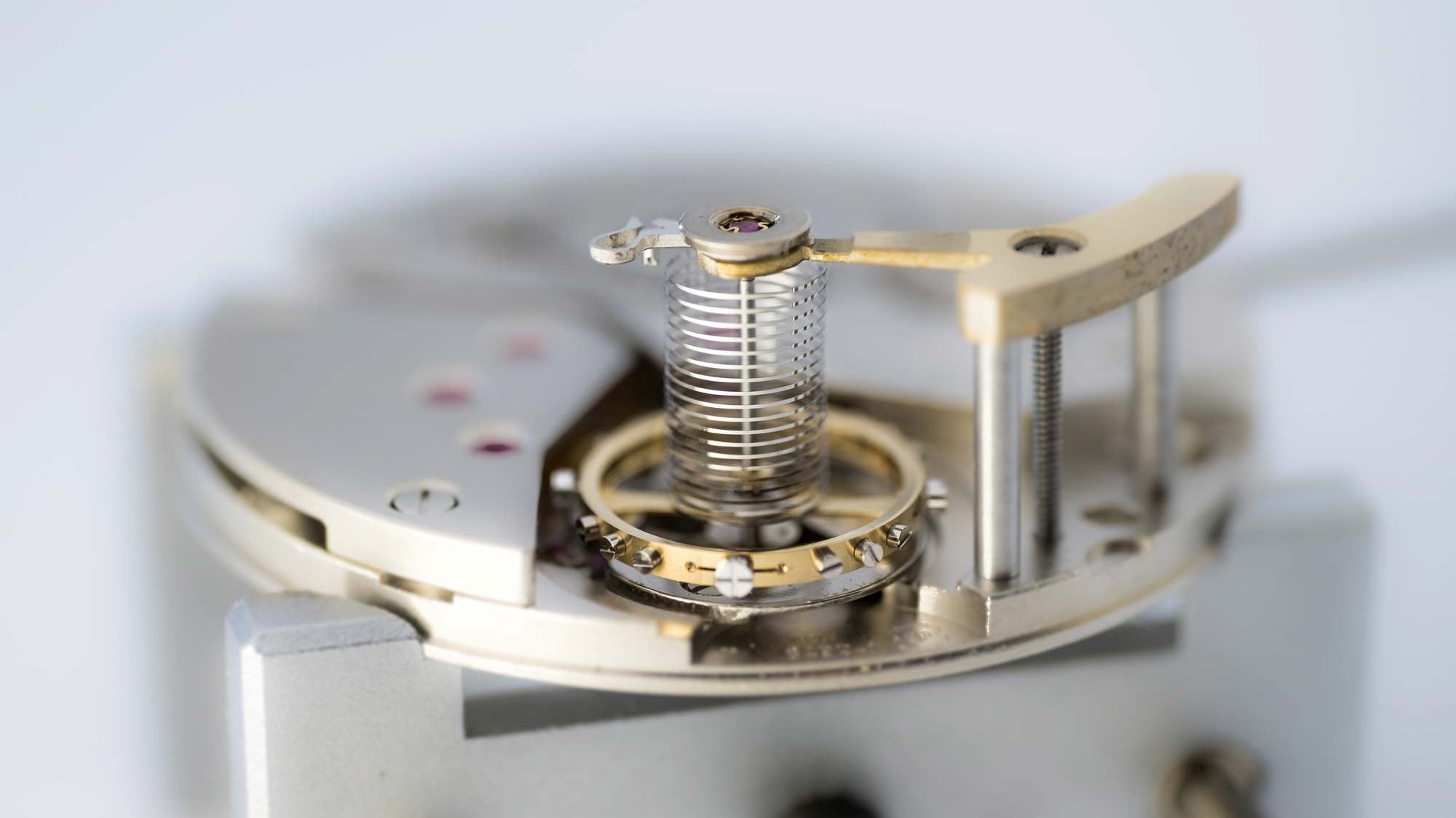
Why Do Watches Have Jewels? The Surprising Role of Rubies in Mechanical Movements
12 giugno 2025
—
Sharon liang
Leggi di più
How to Love Your Watch: Essential Movement Maintenance Tips
15 maggio 2025
—
Sharon liang
Leggi di più
Il tuo carrello
Chiudi
YOU’VE UNLOCKED FREE SHIPPING!
Chiudi
Your cart is currently empty.
Let’s Find The Perfect Watch For You
Start shopping