
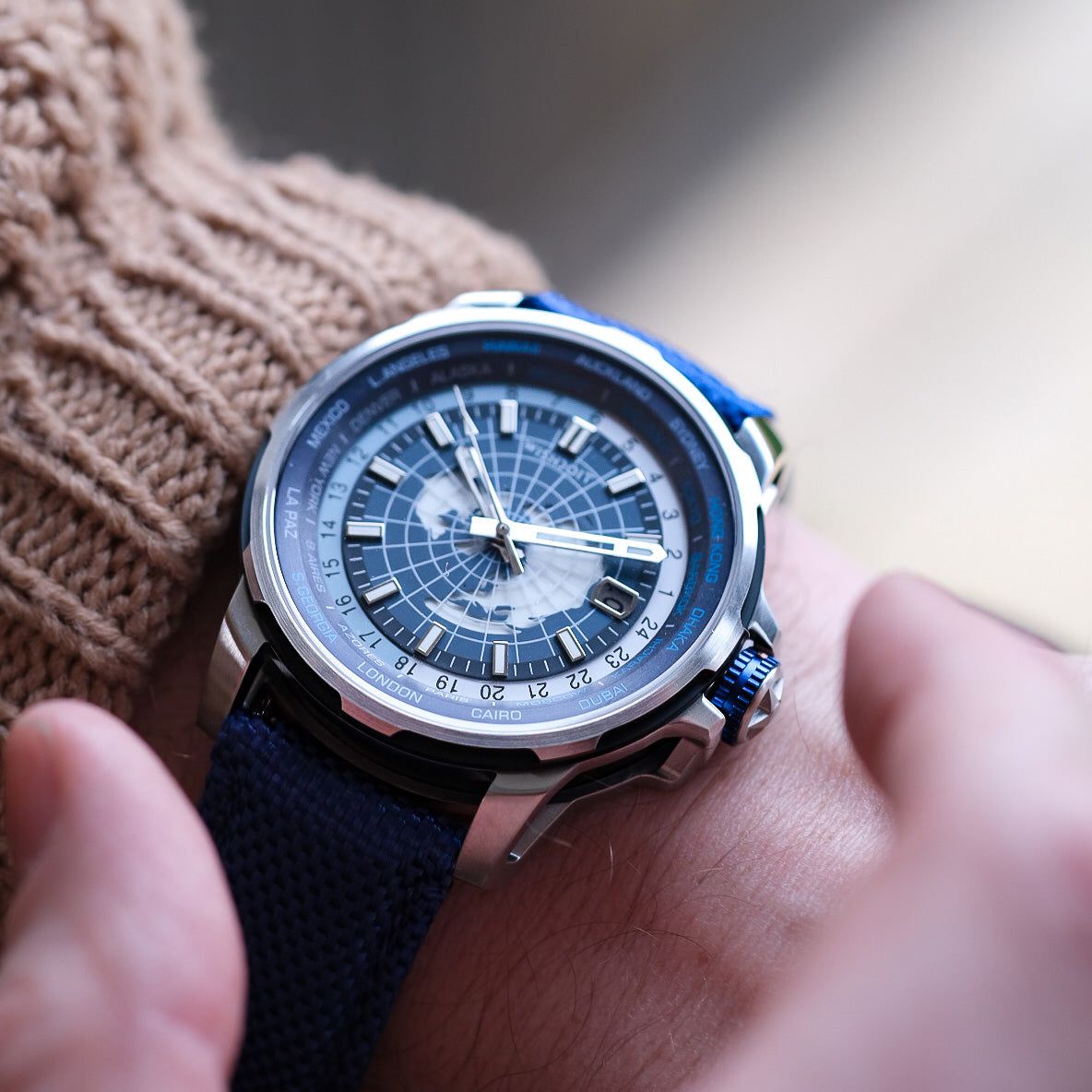


When shopping for a new watch, one of the most overlooked yet critical components is the crystal—the transparent cover protecting the dial. Not all watch crystals are created equal, and choosing the right one depends on your lifestyle. Should you prioritize scratch resistance or impact protection? Let’s break down the pros and cons of the most common watch crystal materials.
1. Mineral Glass – The Affordable Middle Ground
Pros:
✔ More scratch-resistant than acrylic
✔ Affordable and widely used in mid-range watches
✔ Can be treated with anti-reflective coatings
Cons:
✖ Not as hard as sapphire—can still scratch
✖ More prone to shattering than acrylic
Best for: Everyday wearers who want a balance between durability and cost.

2. Sapphire Crystal – The Scratch-Resistant King
Pros:
✔ Extremely scratch-resistant (9 on the Mohs scale, just below diamond)
✔ High clarity with minimal distortion
✔ Commonly used in high-end watches, including watch brands such as Wishdoit watches
Cons:
✖ More brittle—can crack under hard impacts
✖ More expensive to replace
Best for: Those who prioritize scratch resistance and luxury appeal.
3. Acrylic (Hesalite) – The Classic, Shock-Absorbing Choice
Pros:
✔ Highly shatter-resistant—great for sports and vintage-style watches
✔ Easy to polish out minor scratches at home
✔ Lightweight and cost-effective
Cons:
✖ Scratches much more easily than mineral or sapphire
✖ Can appear less premium due to lower clarity
Best for: Vintage lovers and adventurers who value durability over scratch resistance.

Which One Should You Choose?
-
For daily office wear? Sapphire (minimal scratches).
-
For sports and outdoor use? Acrylic or reinforced mineral (better impact resistance).
-
Best all-rounder? Mineral glass with anti-reflective coating.
Bonus Tip: How to Tell What Crystal Your Watch Has
-
Tap Test: Sapphire makes a high-pitched "ping," acrylic sounds dull.
-
Reflection Check: Sapphire has sharper, more defined reflections.
-
Scratch Test (careful!): If a steel knife leaves a mark, it’s likely mineral or acrylic.
Final Thoughts
No crystal is truly "indestructible," but understanding their strengths helps you pick the right one. Whether you prioritize scratch resistance or durability, your watch’s crystal plays a huge role in its longevity.
You'll also like
WishDoIt Eternal Earth: The Japanese-Powered World Timer That Shook the Industry
Aerial Prism Automatic Mechanical Skeleton Watch: Where Horology Meets Avant-Garde Design
Which Japanese movement wins? A detailed analysis of Seiko and Miyota movements